Water Damage Categories 1, 2 and 3 — What They Mean for You
Category is the single biggest factor in what a water loss costs and what can be saved — and it's decided on day one by what failed.
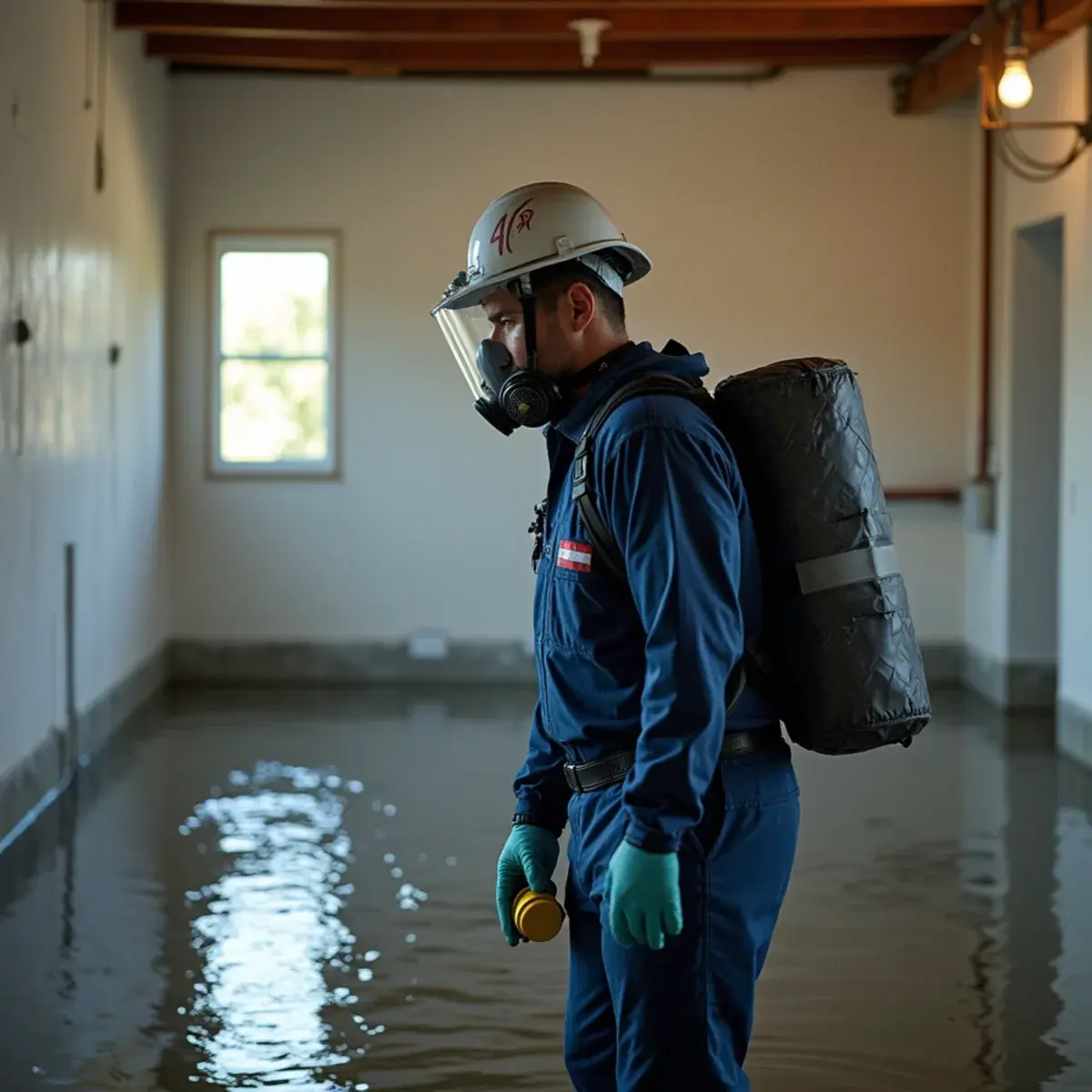
Restoration professionals classify every water loss into one of three categories, and it's not bureaucratic labeling. The category determines what protective equipment crews wear, what materials can be dried versus what has to be removed and disposed of, and — as a direct result — most of what the job costs.
Here's what each one means in practical terms.
Dealing with this right now? We answer 24/7.
Free assessment · 60-minute emergency response · We bill your insurance carrier directly
Category 1: clean water
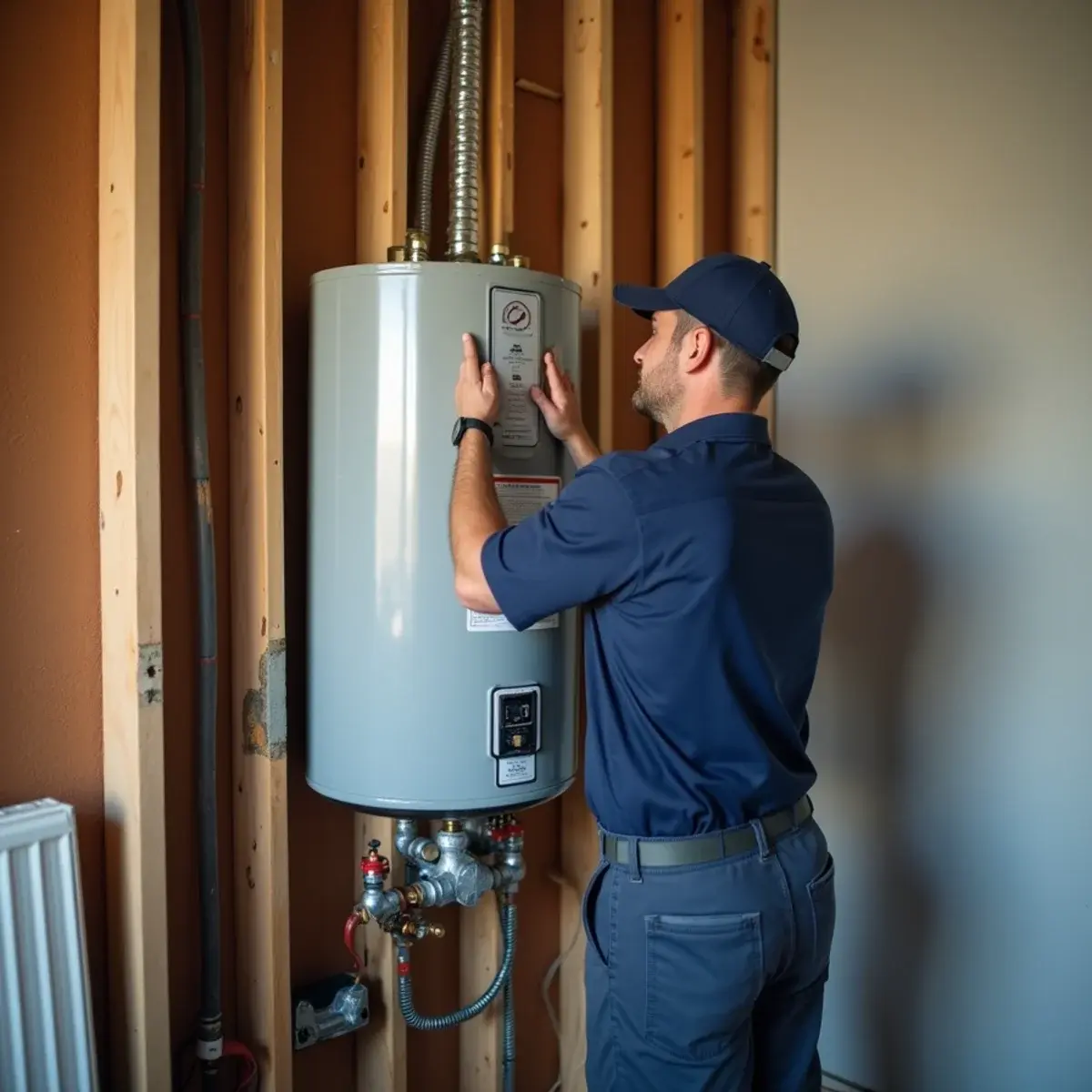
Water from a sanitary source that poses no substantial health risk. A burst supply line, a failed water heater, an overflowing sink or bathtub with clean water, rainwater entering through a roof opening.
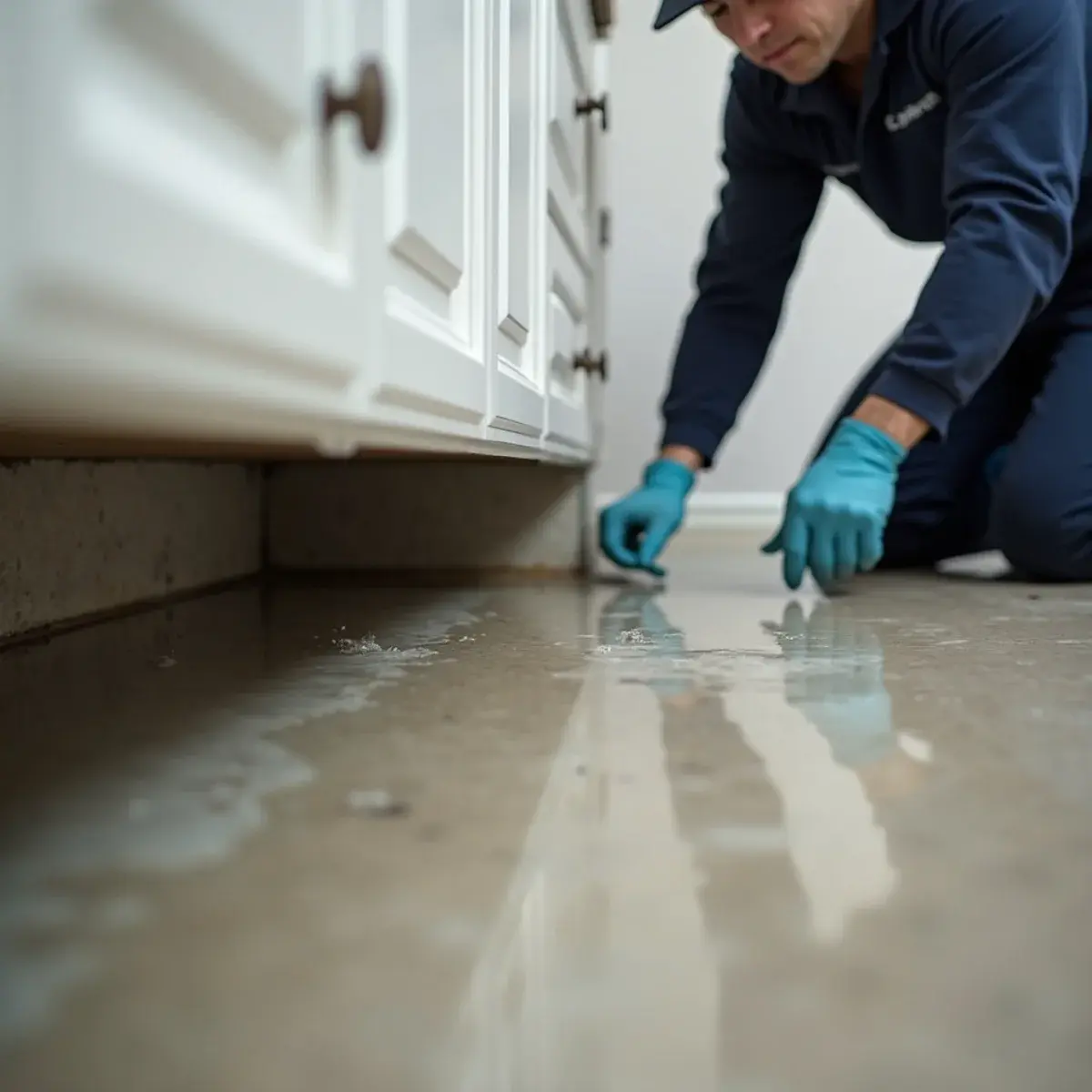
This is the best case. Most affected materials — drywall, carpet, hardwood, framing — can be dried in place and saved if we get to them fast. Crews work in standard PPE. Disposal is minimal.
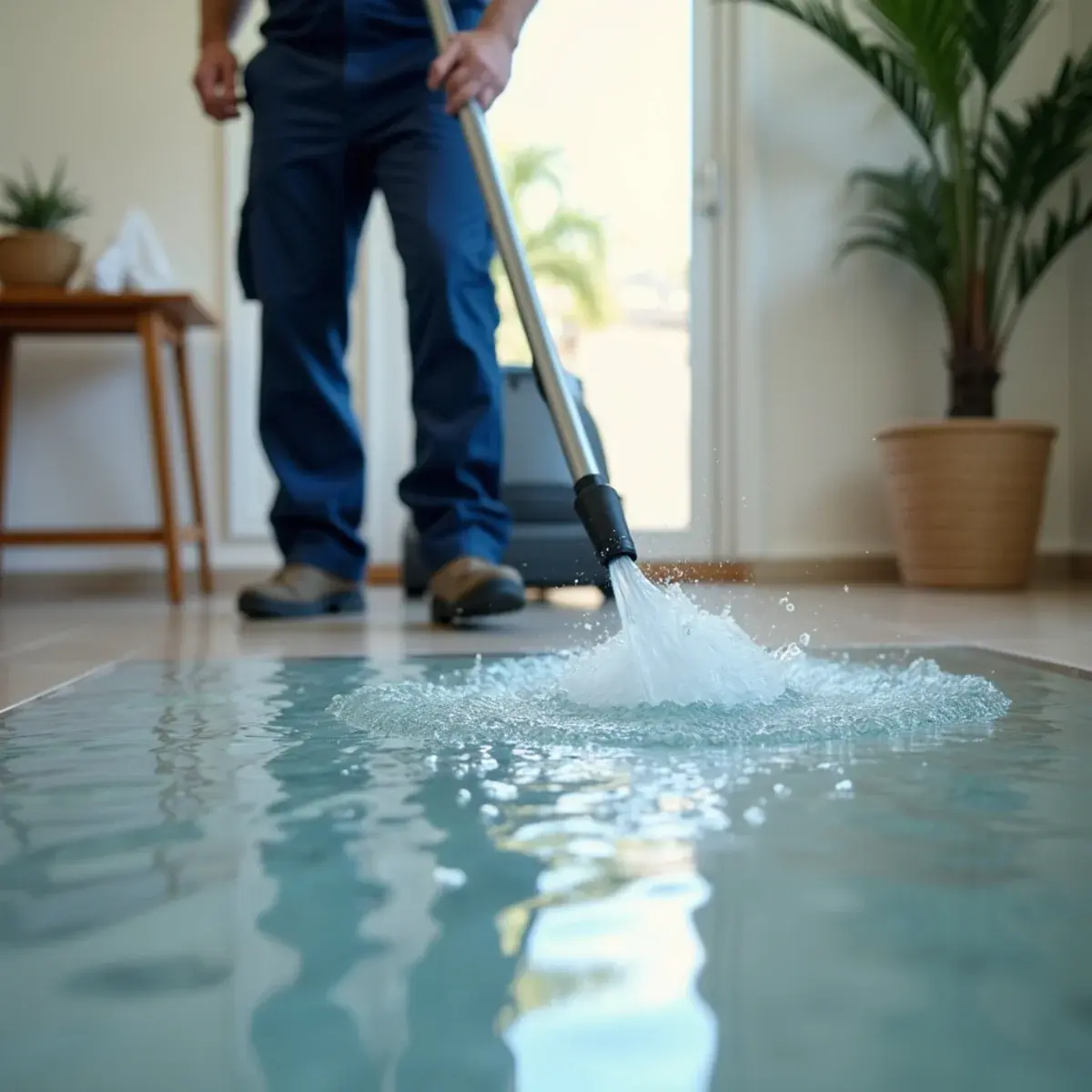
The important caveat: category 1 doesn't stay category 1. Clean water sitting in contact with building materials, at room temperature, degrades. Within roughly 24 to 48 hours it picks up enough contamination from surfaces, dust and the materials themselves to be reclassified as category 2. That degradation is one of the strongest practical arguments for immediate emergency water extraction.
Category 2: gray water
Water containing significant contamination with the potential to cause discomfort or illness. Discharge from a dishwasher or washing machine, overflow from a toilet bowl containing urine but no solids, water from a broken aquarium, or category 1 water that has degraded over time.
Some porous materials can be treated and dried; others come out. Carpet can often be saved with the pad replaced; drywall is usually salvageable if addressed quickly; insulation generally comes out.
Crews use enhanced PPE and the affected area gets antimicrobial treatment throughout. Category 2 also degrades — left untreated it becomes category 3 within a couple of days.
Call +1 (201) 277-9344 — 24/7 in Glendale
Free assessment · 60-minute emergency response · We bill your insurance carrier directly
Category 3: black water
Grossly contaminated water containing pathogenic, toxigenic or other harmful agents. Sewage backups, toilet overflow containing solids, rising floodwater from outside, storm runoff, seawater, and any water that has sat long enough to support significant microbial growth.
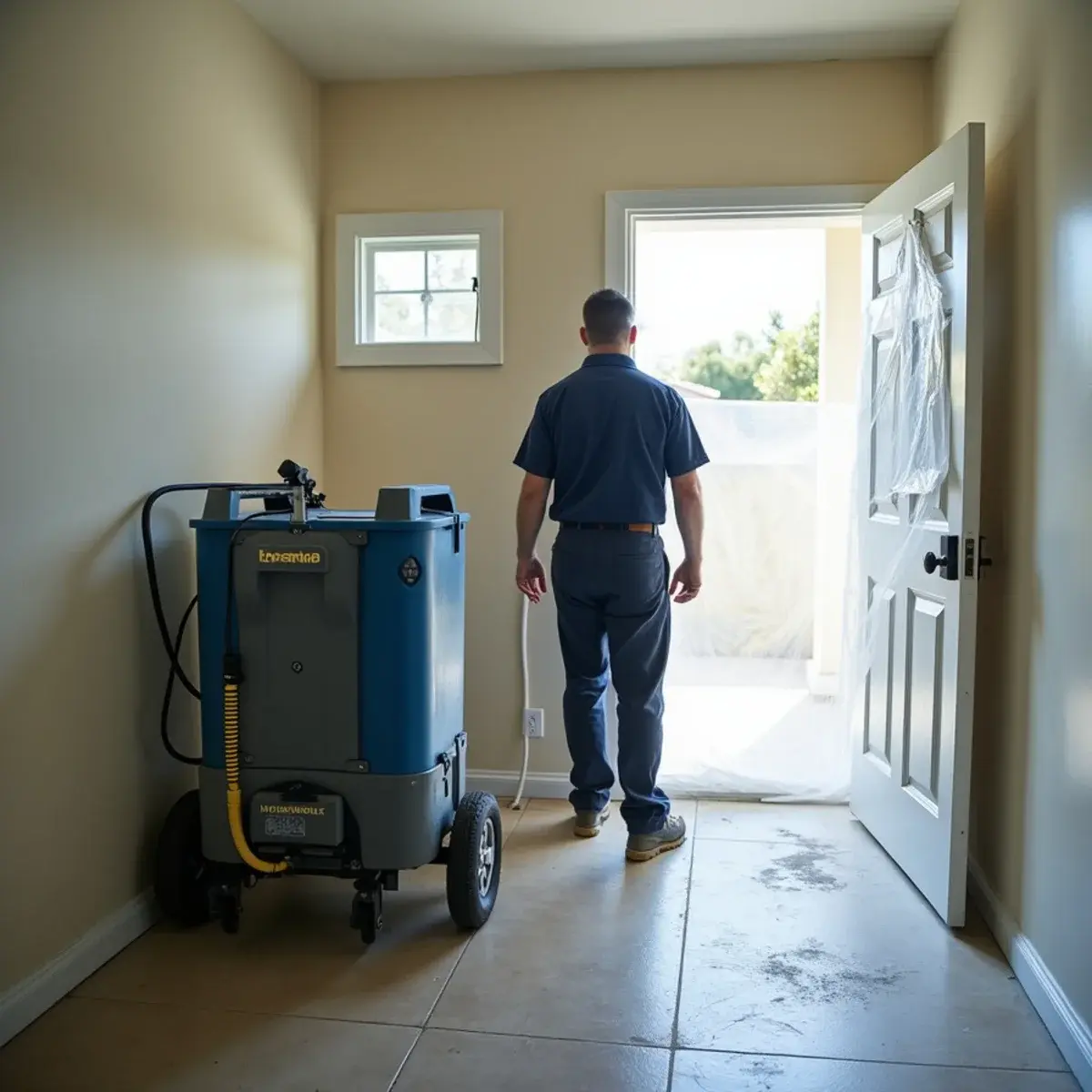
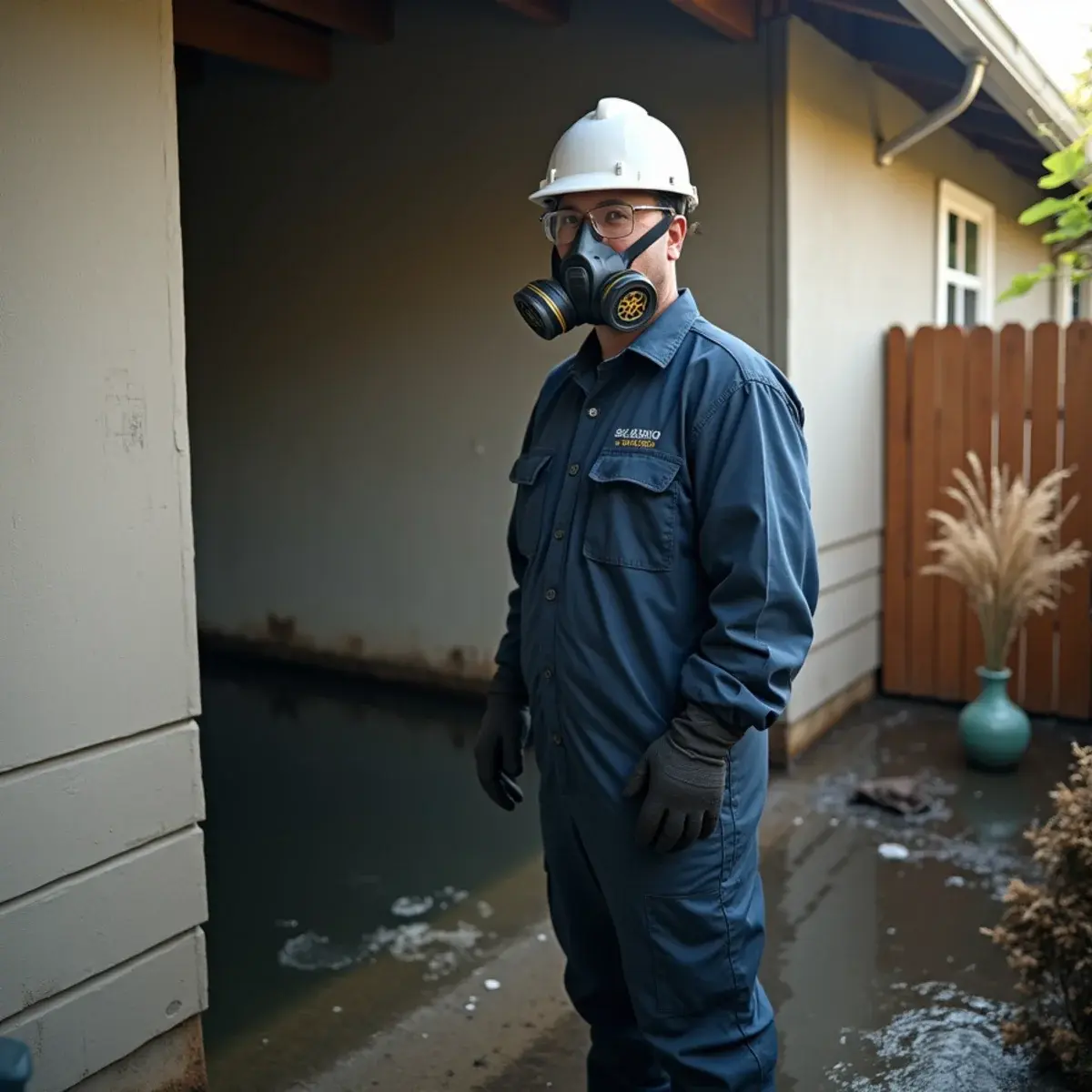
Every porous material it touched comes out. Carpet, pad, drywall to a defined line above the water mark, insulation, particleboard cabinetry and affected contents are removed, bagged and disposed of as contaminated waste. Crews work in full PPE with respiratory protection, the area is contained under negative pressure, and remaining surfaces get hospital-grade disinfection.
This is the category that drives cost. The same volume of water costs several times more as category 3 than as category 1, because the job shifts from drying to removal, disposal and decontamination. Our sewage backup cleanup and flood and storm damage pages describe how these are handled.
Why nothing porous survives category 3
This is the question we get on nearly every sewage or flood job, usually about a rug or a section of drywall that looks barely affected. The answer is about material structure, not appearance.
Porous materials have interconnected void space, and contaminated water carries pathogens into that space by capillary action. You can disinfect a surface. You cannot reliably disinfect the interior of a material you can't physically reach.
There's a second issue beyond live pathogens: gram-negative bacteria leave endotoxins in their cell walls that remain biologically active after the organism is dead. Disinfecting a saturated porous material can kill everything in it and still leave a material that provokes respiratory response. That's why every professional standard specifies removal rather than treatment.
Semi-porous materials — framing lumber, concrete, masonry — are a different case. Contamination stays near the surface and can be removed by abrasion and HEPA vacuuming, then treated and, where necessary, sealed.
Classes: a separate thing that also matters
Category describes contamination. Class describes how much material absorbed water, and it drives the drying equipment requirement:
- Class 1 — minimal absorption, small area, mostly low-porosity materials. Fast and cheap to dry.
- Class 2 — an entire room with carpet and pad affected, water wicked up walls less than two feet.
- Class 3 — water came from overhead, saturating ceilings, walls, insulation, carpet and subfloor.
- Class 4 — deeply saturated low-evaporation materials like hardwood, plaster, concrete and stone, requiring specialty drying and often desiccant dehumidification.
Why the category should be on your paperwork
Any legitimate estimate or scope will state the category and class of the loss, because those determine everything downstream. If yours doesn't, ask.
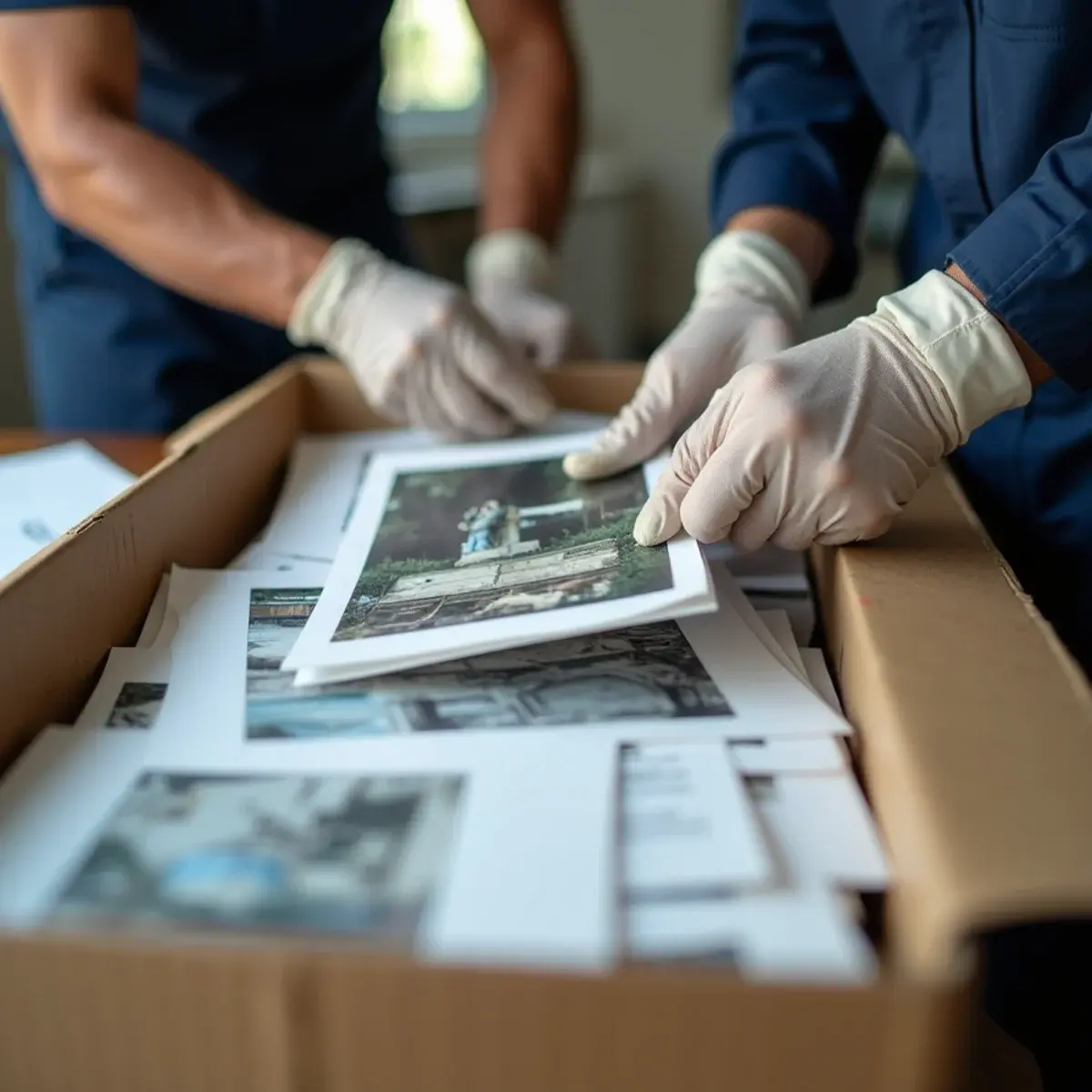
It matters for your claim too. A category 3 loss justifies removal of materials that would be dried in a category 1, and an adjuster reviewing an estimate with substantial demolition wants to see the classification that supports it. Documentation of category — photographs of the source, notes on clarity and odor, the timeline — is part of what makes those line items approvable.
Frequently asked questions
Overflow of clean supply water from a running toilet is category 1. Anything containing waste, or any backup coming up from the sewer line, is category 3 regardless of volume. When it's ambiguous, we treat it as the more serious case.
Not for porous materials, no. Surfaces can be cleaned and disinfected; the interior of saturated drywall, carpet pad or insulation cannot. Every professional standard specifies removal, and companies that promise otherwise are cutting a corner that shows up as odor and health complaints later.
The cause matters more than the category for coverage. But the category affects scope substantially — a category 3 loss involves far more removal and disposal, which is why documenting the source and classification at the time of loss matters for approval.
The bottom line
Category is decided by what failed and how long it sat. Clean water addressed within hours is the cheapest, least disruptive version of a water loss. The same water two days later is a different job.
Drycore Restore classifies every loss on arrival and tells you plainly what that means for scope and cost. Call +1 (201) 277-9344 any hour.
Related services
- Sewage Backup Cleanup in Glendale
- Flood & Storm Damage Cleanup in Glendale
- Emergency Water Extraction in Glendale