The Water Damage an Earthquake Causes (And How To Reduce It)
After a significant quake, far more Los Angeles homes are damaged by their own plumbing than by structural failure.
Los Angeles homeowners prepare for earthquakes by thinking about structure — bolting, bracing, retrofits. All of that matters.
What tends to get missed is that in most quakes below the catastrophic threshold, the widespread damage isn't collapse. It's water: heaters toppling, rigid connectors snapping, fire sprinklers shearing, and supply lines failing inside walls while nobody is home to shut anything off.
Dealing with this right now? We answer 24/7.
Free assessment · 60-minute emergency response · We bill your insurance carrier directly
What actually breaks
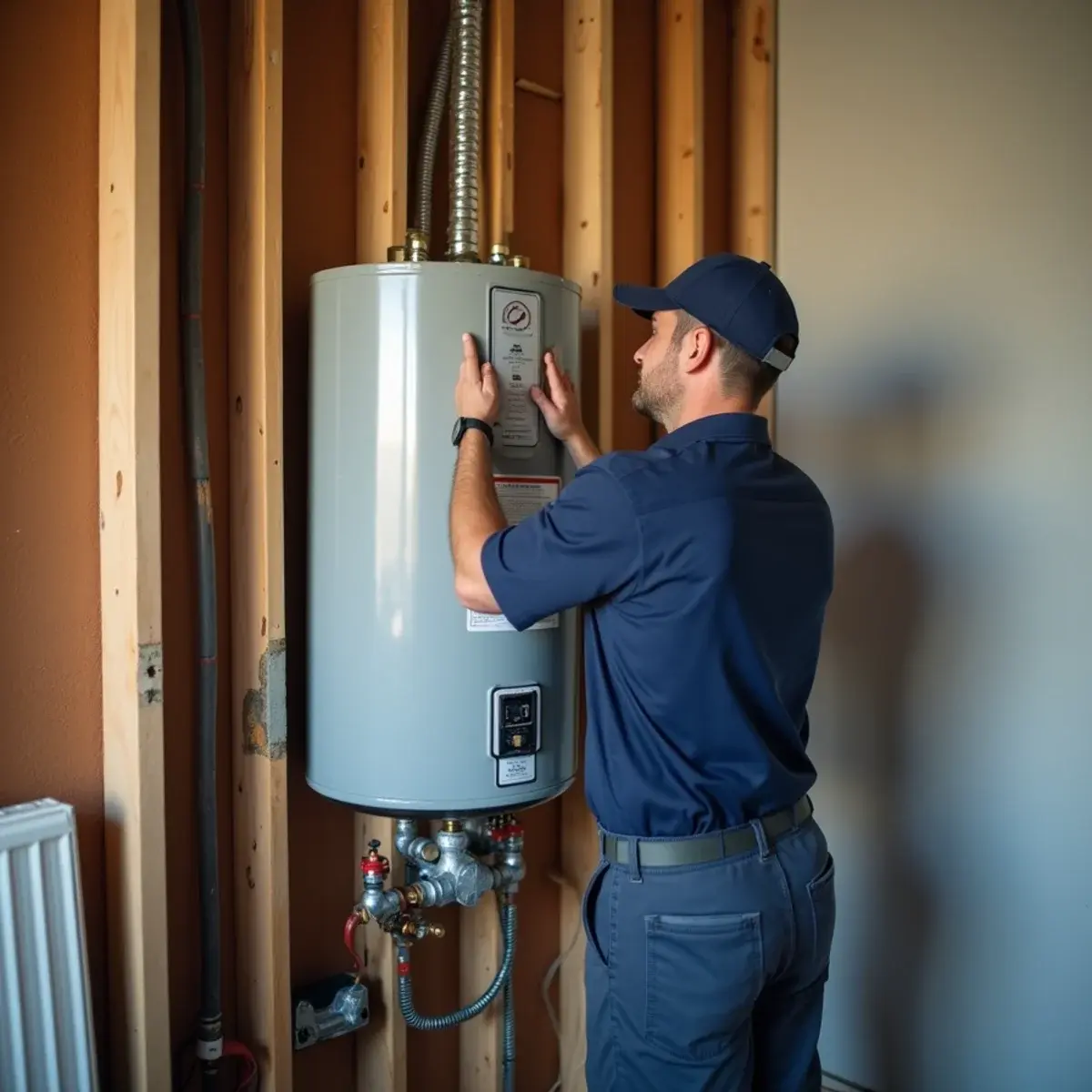
Water heaters. A full tank weighs several hundred pounds and stands on a narrow base. Unrestrained, it walks or topples, and when it does it takes its rigid supply and gas connections with it. This is the single most common post-quake water source in California homes, and it's also the cheapest to prevent.
Rigid connectors. Anywhere plumbing transitions to an appliance with hard pipe rather than a flexible connector, differential movement shears the joint. Heaters, washing machines, dishwashers, refrigerator lines.
Fire sprinkler systems. In multi-family and commercial buildings, sprinkler piping is rigid and its supports are designed primarily for gravity load. Lateral movement shears heads and cracks piping, and a single sheared head discharges continuously until the system is isolated.
Supply lines inside walls. Older galvanized, already brittle from internal corrosion, cracks at threaded joints. These leaks are hidden and can run for a long time — particularly if the property is unoccupied after an event.
Drain and waste lines. Cast iron is brittle and fractures at joints and hubs, producing the slow contaminated seep described in our guide to cast iron drain pipe failure.
The three fixes that matter most
Strap the water heater properly. California requires seismic strapping, and a great many installations are inadequate — one strap, or plumber's tape, or straps not anchored into studs. The standard is two straps, upper and lower thirds of the tank, anchored to structure, with the tank blocked from rocking. It's an hour's work and it prevents the most likely single source.
Flexible connectors everywhere. Corrugated stainless flex connectors on the heater's water and gas connections, braided stainless on the washing machine, flexible supply lines at every fixture. These absorb differential movement instead of transmitting it into a rigid joint. Inexpensive, and they're the difference between a wobble and a rupture.
An automatic shut-off. This is the highest-value item because it works when nobody is home. A seismic gas shut-off valve closes the gas supply on shaking — genuinely important for fire risk. A water leak sensor with a motorised valve on the main closes the water when it detects flow patterns or moisture. Some smart water monitors also close on seismic trigger.
The whole package costs less than the deductible on most policies.
Call +1 (201) 277-9344 — 24/7 in Glendale
Free assessment · 60-minute emergency response · We bill your insurance carrier directly
The rest of the checklist
Worth doing while you're at it:
- Know where your water and gas shut-offs are, and confirm the water valve actually turns — old gate valves seize. Our guide to finding your shut-off valve covers testing it.
- Keep a wrench near the gas meter, or fit a seismic valve so it isn't needed.
- Secure the water heater's overhead clearance so nothing can fall onto its connections.
- Check that the heater sits in a pan with a piped drain if it's in or above living space.
- Brace elevated tanks and equipment, including rooftop HVAC and any water storage.
- Anchor tall furniture and shelving away from plumbing fixtures and heaters.
- For multi-family owners: have the fire sprinkler system's seismic bracing assessed. It's frequently the largest post-event water exposure in the building.
What to do in the hours after a quake
Once you've confirmed people are safe and the structure is sound enough to be in:
Check the water heater first — is it upright, are its connections intact, is there water in the pan? Then the laundry, under sinks, and around the dishwasher and refrigerator.
Listen. With everything off, a hissing or running sound means a pressurised line is losing water inside the structure. Shut the main.
Look at your water meter with all fixtures off. Movement on the low-flow indicator means water is leaving the system somewhere.
Check ceilings and the base of walls on every floor over the following days. In-wall failures from a quake often surface slowly.
If you smell gas, leave and call the utility from outside. Don't switch anything on or off.
And if the property was unoccupied during the event — a second home, a rental between tenants, a business closed for the weekend — treat the inspection as urgent. Unattended post-quake leaks are how a minor pipe failure becomes a total loss.
The insurance question nobody likes
This is the part worth understanding before you need it. Standard California homeowners policies exclude earthquake damage. That exclusion is broad and it extends to damage caused by the earthquake, including water damage from plumbing that failed because of shaking.
So the intuitive assumption — "the pipe burst, burst pipes are covered" — frequently doesn't hold if the cause was seismic. Earthquake coverage is a separate policy, typically through the California Earthquake Authority or a private carrier, with its own deductible structure that is usually a percentage of the dwelling limit rather than a flat sum.
There is nuance. Some policies treat fire following an earthquake differently, and the precise wording around resulting water damage varies between carriers. It's genuinely worth reading your own policy language on this rather than assuming either way.
The practical takeaway: the preventive fittings above are more valuable in the seismic scenario than in any other, because the insurance backstop you're used to may not be there.
Why this matters here specifically
Los Angeles has the housing stock this hits hardest. A very large share of our service area is pre-1980 construction with original galvanized supply and cast iron waste plumbing — materials that are brittle and already compromised internally.
Sylmar and the north Valley have direct experience of this. Northridge gave its name to the event that produced the soft-story retrofit ordinance, and buildings across Koreatown, Westlake, Hollywood and Van Nuys are working through that programme now — which, as covered in our article on retrofits and the damage they uncover, is also the best opportunity to address the plumbing.
For a homeowner, none of that is abstract. Two straps, a handful of flex connectors and an automatic shut-off is an afternoon and a modest amount of money against the most likely form of damage you'll actually experience.
Frequently asked questions
Usually not under a standard homeowners policy — earthquake damage is excluded, and that generally extends to water damage resulting from seismically caused plumbing failure. Earthquake coverage is a separate policy. Read your own wording, because carriers differ on the details.
Yes, California requires seismic strapping of water heaters, and it's checked at point of sale in many transactions. A great many existing installations don't meet the standard — two straps anchored into structure at the upper and lower thirds. Worth having yours looked at rather than assumed.
A valve installed on the gas line that closes automatically when it senses shaking above a threshold. It's primarily a fire-prevention device and it's genuinely worthwhile — particularly if the property is sometimes unoccupied. It needs manual reset and a check afterward.
Only if you smell gas, hear hissing, or see damage — turning it off unnecessarily means waiting for the utility to restore and relight it, which after a widespread event can take a long time. If you do smell gas, leave first and call from outside.
The bottom line
Straps, flex connectors and an automatic shut-off. That's the list, it's an afternoon, and it addresses the form of earthquake damage most Los Angeles homes will actually experience.
If a quake has already caused a leak, Drycore Restore responds 24 hours a day across Glendale and Los Angeles. Call +1 (201) 277-9344.
Related services
- Burst Pipe & Leak Cleanup in Glendale
- Emergency Water Extraction in Glendale
- Commercial Water Damage Restoration in Glendale