Pool Leak or Plumbing Leak? How To Tell the Difference
A pool line can lose hundreds of gallons a day into the ground beside your foundation with nothing visible at all.
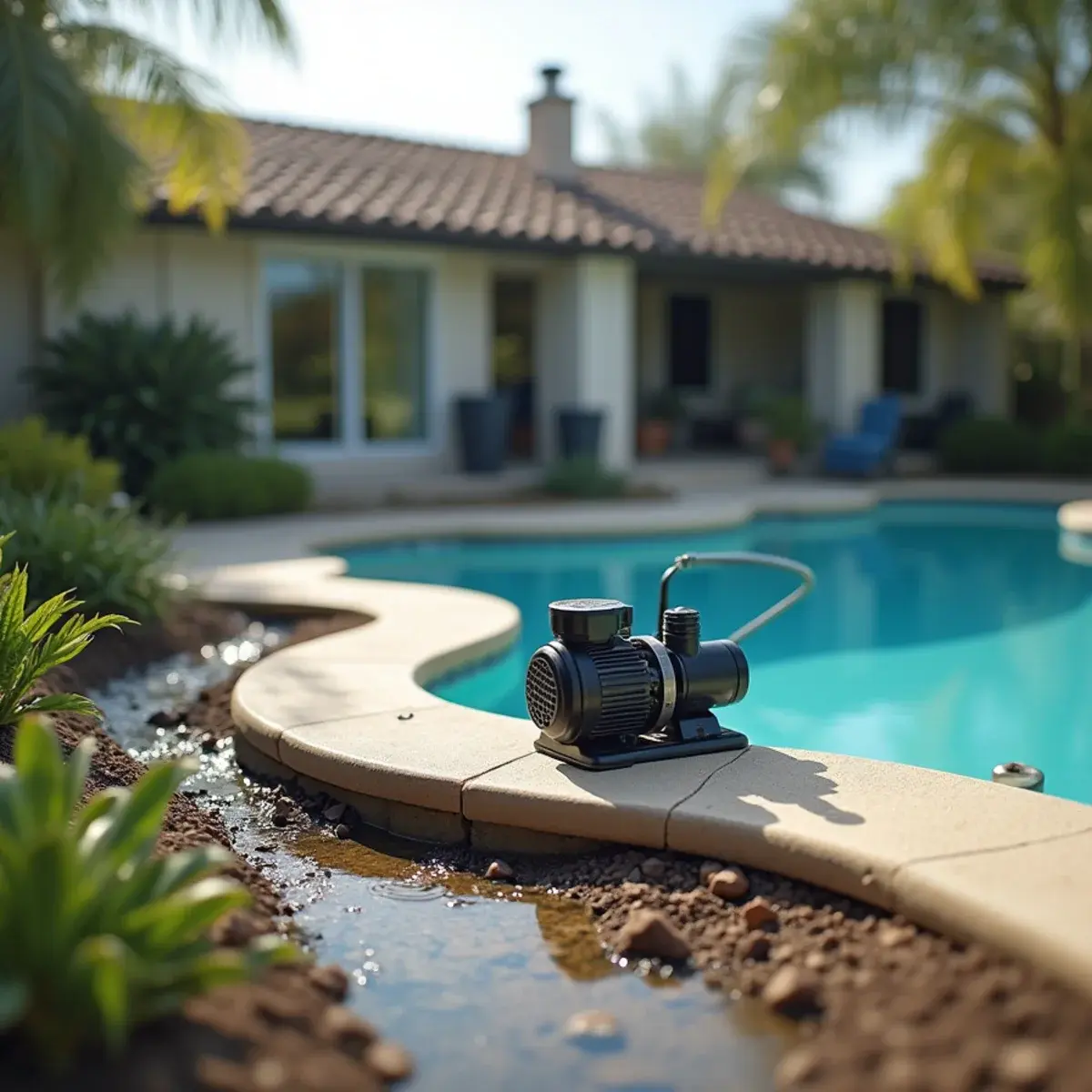
Persistent damp ground beside a house, a soft patch of lawn, efflorescence on a foundation wall, or a crawl space that stays wet through a dry summer — and no interior plumbing source anyone can find.
If there's a pool on the property, that's where to look. Pool circulation plumbing runs underground, under pressure, past the house, and a failure there is close to invisible.
Dealing with this right now? We answer 24/7.
Free assessment · 60-minute emergency response · We bill your insurance carrier directly
Why pool leaks hide so well
A pool has two plumbing systems that can leak. The shell — the pool structure itself, its fittings, skimmers, returns, lights and the plumbing penetrations through it. And the circulation lines, which run underground from the pool to the equipment pad and back.
Those circulation lines are usually buried a foot or two down, run for tens of feet, and operate under pressure whenever the pump is on. A crack or a failed fitting discharges directly into the soil, where nothing indicates it's happening.
In Southern California, evaporation masks it further. A pool loses water to evaporation constantly — a quarter to half an inch a day in summer is normal — so an owner topping up regularly may never register that the top-up has increased.
The volumes are meaningful. A modest pool line leak can lose several hundred gallons a day into the ground, and if that ground is beside a foundation, on a slope, or above a crawl space, it produces exactly the symptoms people attribute to plumbing.
The bucket test
This is the standard first diagnostic and you can do it yourself in a day. It separates evaporation from leakage by measuring both under identical conditions.
Fill a bucket with pool water and set it on a step so the water level inside the bucket matches the pool level outside it. Mark both levels — inside the bucket and on the pool wall.
Leave it 24 hours with the pump running normally, no swimming, no rain, no top-up. Then compare.
If both dropped by the same amount, that's evaporation and your pool is fine. If the pool dropped more than the bucket, the difference is your leak rate. Repeat with the pump off for another 24 hours — if the loss is worse with the pump running, the leak is on the pressure side of the circulation plumbing; if it's the same either way, it's more likely the shell or a fitting.
That single distinction tells a pool leak specialist where to start and saves real money on diagnosis.
Call +1 (201) 277-9344 — 24/7 in Glendale
Free assessment · 60-minute emergency response · We bill your insurance carrier directly
Signs it's the pool rather than the house
The pattern usually distinguishes them:
- Wet ground between the pool and the equipment pad, or along the line run, rather than adjacent to a bathroom or kitchen.
- Damp that correlates with pump run times — worse when the pump has been on, better when it hasn't.
- A pool that needs topping up more than about a quarter to half an inch a day in summer, or noticeably more than it used to.
- Air bubbles from return jets, which indicate a suction-side leak drawing air in.
- Cracks in the deck or settling around the pool as soil washes out beneath.
- Your water bill up but your indoor meter test clean — with all fixtures off the meter isn't moving, yet usage is high. That's the auto-fill topping up a leaking pool.
- Grass or landscaping unusually lush in one strip.
Ruling out the house first
Do the interior test too, because it's free and it takes five minutes. Turn off every water-using fixture and appliance inside — including the ice maker and irrigation, and crucially including the pool auto-fill if it has one.
Then look at your water meter's low-flow indicator. If it's moving with everything genuinely off, water is leaving your domestic supply somewhere, and that's a house problem — potentially a slab leak or an underground supply line.
If the meter is still with the auto-fill isolated, but the pool level keeps dropping, you've separated the two systems and the answer is the pool.
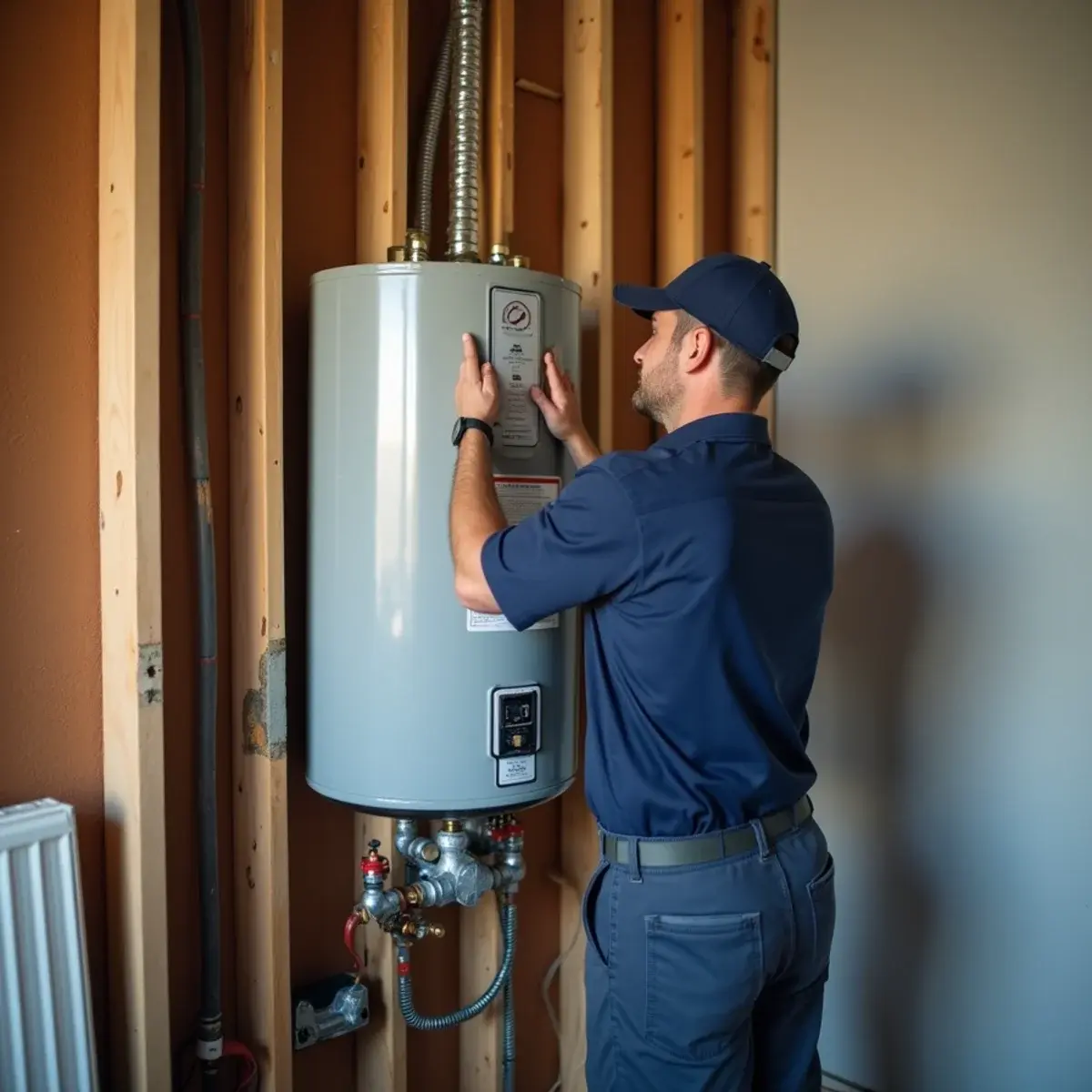
This matters because the trades are different. A pool leak specialist with pressure-testing and acoustic equipment handles pool circulation lines; a plumber handles domestic supply; and we handle whatever the water did to your structure on its way through.
What it does to the building
This is where it stops being a pool problem. Several hundred gallons a day going into soil beside a structure produces real consequences.
Foundation-adjacent saturation — persistently wet soil against a foundation or retaining wall, which on a hillside lot adds hydrostatic pressure and finds cold joints, exactly as described in our guide to hillside drainage and foundation protection.
Crawl space moisture — water migrating under the structure, keeping the soil damp and evaporating into the floor framing continuously. That produces subfloor rot, joist decay and a whole-house musty smell traced to nothing indoors.
Soil movement — washing fines out from under a slab, deck or pool shell, which causes settling and cracking.
Efflorescence on foundation or garage walls, mapping where water has moved through masonry.
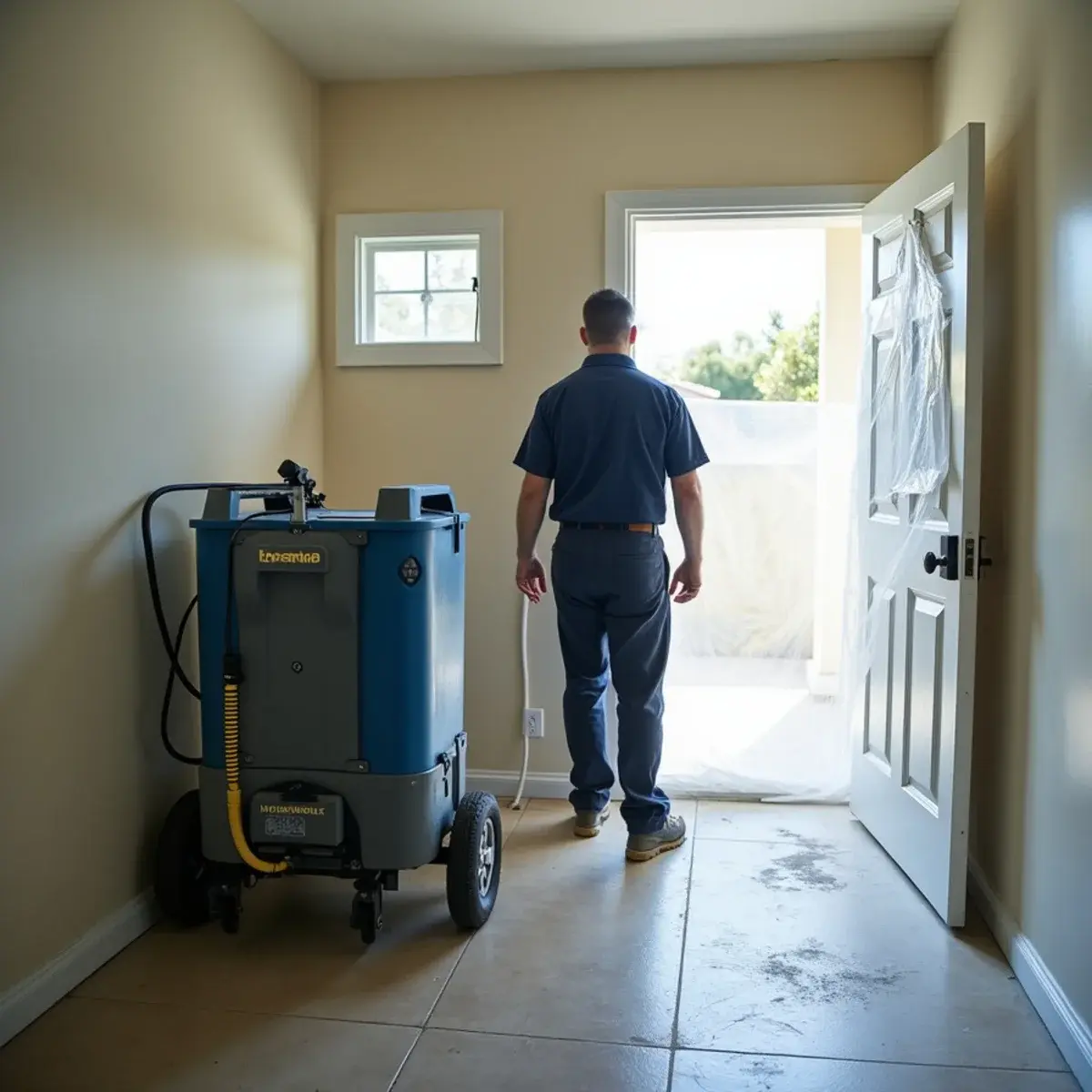
So the sequence when we find one is: identify it, get the owner to a pool leak specialist for the repair, then dry and treat whatever the structure absorbed. Fixing the leak without addressing the crawl space leaves you with a dry source and a wet building.
Prevention and monitoring
Know your normal. Watch how much your pool drops in a week during a stable stretch of weather. Once you know the baseline, a change is obvious. Without a baseline, everything looks normal.
Be wary of auto-fill. It's convenient and it's also a leak-masking device — it will happily top up a leaking pool indefinitely while your water bill quietly climbs. Isolate it periodically and watch the level manually for a couple of days.
Check the equipment pad for damp ground, corrosion at fittings and dripping unions. Above-ground failures are far easier to catch and far cheaper to fix than buried ones.
Watch the ground. A strip of lawn that stays green through August, a soft patch, or settling in the deck are all worth investigating before they become structural.
Frequently asked questions
Roughly a quarter to half an inch a day to evaporation in Southern California summer, less in winter, more in wind and heat. Consistently more than that — or a noticeable change from your own baseline — is worth a bucket test.
Yes, and it's under-recognized. Hundreds of gallons a day into soil beside a foundation causes crawl space moisture, hydrostatic pressure on retaining walls and soil movement under slabs. We've traced chronic crawl space damp to pool plumbing more than once.
A pool leak detection specialist — they pressure-test circulation lines and use acoustic equipment to locate breaks, then repair or reroute. It's a distinct trade from both general plumbing and restoration.
If there's a pool, test it. Beyond that the usual causes are subsurface drainage, irrigation against the foundation, or a missing vapor barrier. Our [crawl space moisture guide](/blog/crawl-space-moisture-problems-glendale-homes) works through the possibilities.
The bottom line
Do the bucket test, isolate the auto-fill, and check the meter with everything off. Those three steps separate pool, plumbing and evaporation in about a day.
If the water has already reached your crawl space or foundation, Drycore Restore handles that side. Call +1 (201) 277-9344.
Related services
- Crawl Space & Basement Water Removal in Glendale
- Slab Leak Detection & Repair Support in Glendale
- Mold Remediation in Glendale