Why the Smell Comes Back (And How Odor Is Actually Removed)
If the smell returns on warm days, nothing was removed — something was covered. Odor is a material problem, not an air problem.
A restoration finishes, everything looks right, and then on the first warm day the smell is back.
That's the clearest possible signal that odor was treated as an air problem when it was a material problem. Air can be cleaned in an afternoon. Material has to be found.
Dealing with this right now? We answer 24/7.
Free assessment · 60-minute emergency response · We bill your insurance carrier directly
Odor is a material still being present
Smell is molecules. Something in the building is releasing volatile compounds into the air, and it will keep doing so until that something is removed, neutralised or sealed.
Three common sources after a water loss. Microbial — mold and bacteria producing volatile organic compounds, the classic musty smell. Contamination — residue from sewage or grey water absorbed into porous materials. Combustion residue — soot and smoke particles, if fire was involved.
All three share a property: they are held in or on materials, often inside assemblies nobody can see. Wall cavities, subfloor, insulation, the underside of flooring, ductwork, the back of cabinetry.
Which is why the return-on-a-warm-day pattern is so diagnostic. Heat increases the rate at which those compounds off-gas. If your smell tracks temperature or humidity, the source is still in the building and it's responding to conditions.
Why masking fails
Fragrance products — sprays, foggers, scented deodorisers — add a molecule rather than removing one. For a day or two the added scent dominates. Then it dissipates, at which point the original compound is still being produced at exactly the rate it was before.
Worse, some products deposit a residue that itself becomes a smell over time, so you end up with the original odor plus a stale perfume note.
There's a legitimate narrow use for masking — making a space tolerable to work in for a few hours. As a treatment it isn't one, and a company that finishes a sewage job by fogging a scent through the house has not completed the work.
The same applies to a sealer applied over an untreated surface. Sealing has a real role, covered below, but sealing over active contamination just delays it.
Call +1 (201) 277-9344 — 24/7 in Glendale
Free assessment · 60-minute emergency response · We bill your insurance carrier directly
The sequence that actually works
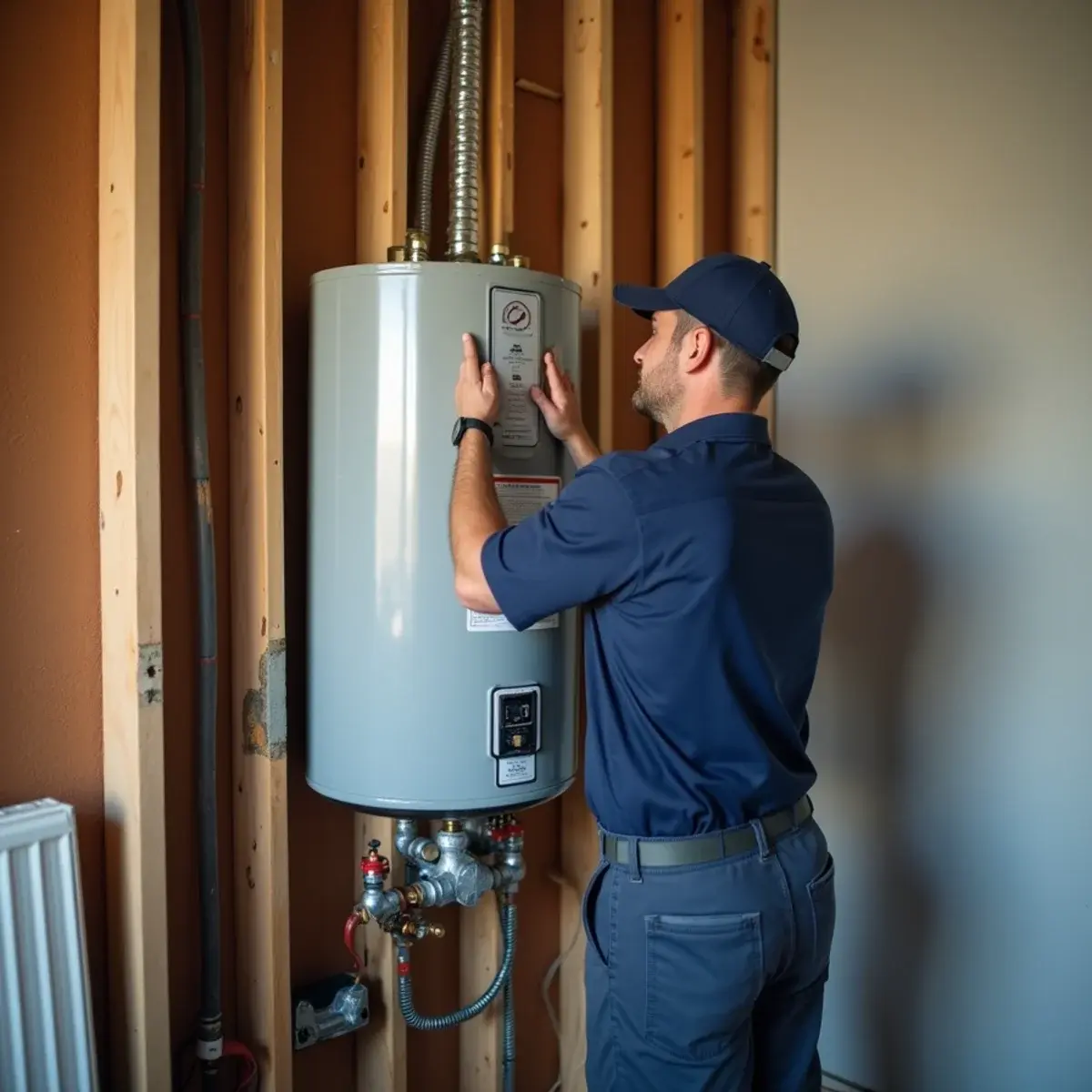
Find and remove the source. This is 80% of it. Porous materials holding contamination come out — that's why category 3 losses specify removal rather than treatment. Wet insulation comes out. Affected subfloor gets exposed and assessed. If a smell has no identified source, nothing that follows will hold.
Clean everything remaining. HEPA vacuuming to capture particulate, then damp wiping with an appropriate cleaning agent. Soot and residue in particular need the method matched to the residue type — using a wet method on dry soot drives it into the surface permanently.
Air filtration throughout. HEPA air scrubbers running during and after removal capture airborne particulate, which is a genuine part of the odor load rather than an afterthought.
Treat the remaining molecules. This is where hydroxyl or ozone comes in, and it works because the source is already gone — it's finishing, not fixing.
Seal where necessary. On framing or subfloor where residue has penetrated and cannot be fully removed, a shellac-based or specialist odor-blocking sealer locks the remainder in. This is legitimate at the end of the sequence and illegitimate as a substitute for it.
Hydroxyl versus ozone
Both are oxidative treatments that break odor molecules apart rather than covering them, and the difference matters practically.
Ozone is a powerful oxidiser and very effective. It is also hazardous to breathe, so a space must be unoccupied during treatment and aired thoroughly afterward. It degrades rubber, some plastics and certain fabrics and finishes with repeated or prolonged exposure. It's a good tool for a vacated property or a contained area.
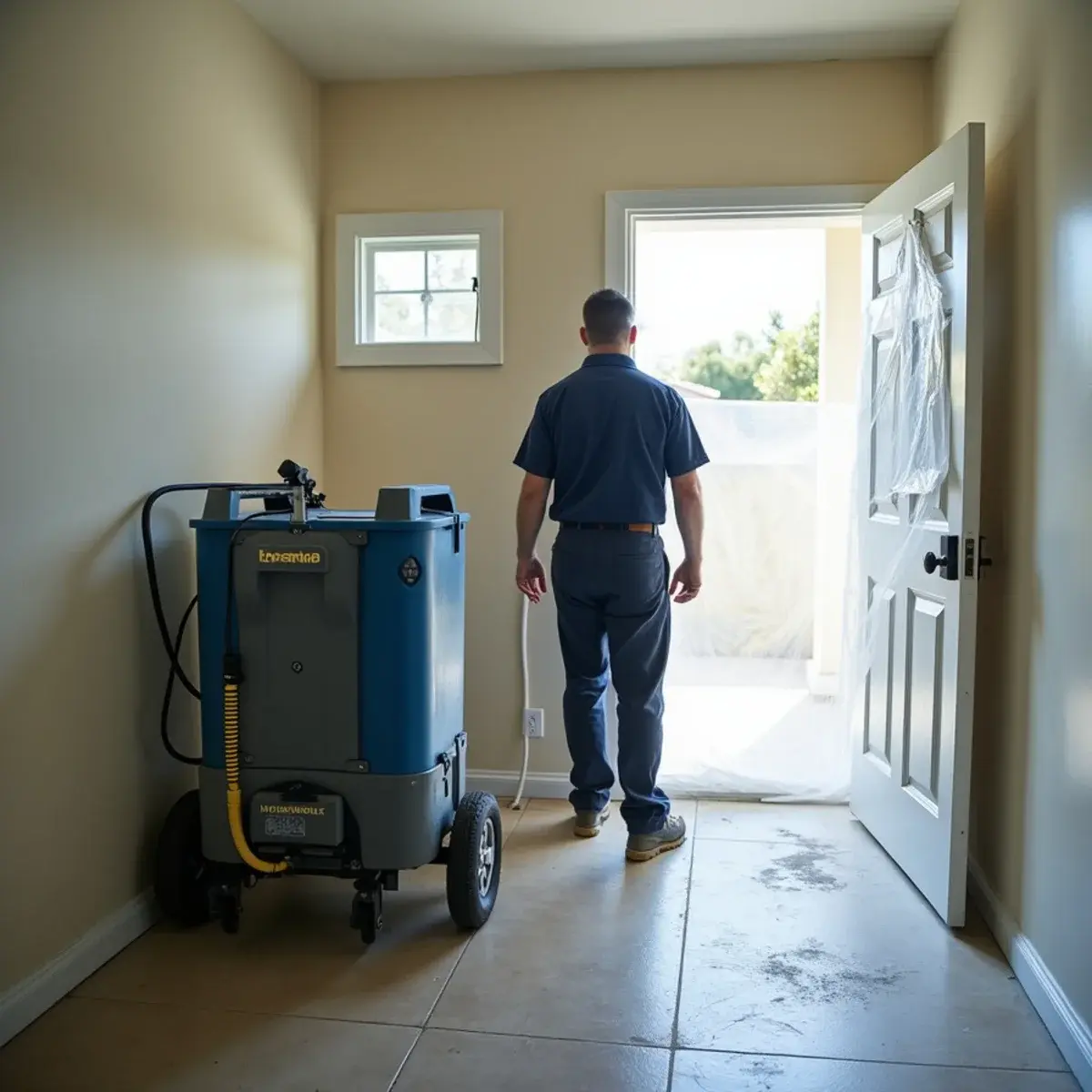
Hydroxyl generation produces hydroxyl radicals using UV light, mimicking a process that happens naturally in the atmosphere. It's slower and gentler than ozone, and critically it's safe to run in occupied spaces. That's why we default to it — most of our clients are still living in the house, and telling a family to vacate for three days to run ozone is a real cost.
Neither is a substitute for source removal. A hydroxyl generator running in a room where contaminated drywall is still in the wall will reduce the smell while it runs and achieve nothing permanent.
The place everyone forgets: ductwork
If the HVAC system ran at any point during or after the loss, it distributed whatever was in the air throughout the building and deposited some of it inside the ducts.
That makes the duct system a reservoir. Every time the system cycles afterward, it re-releases residue into every room it serves — which is precisely the pattern of "the smell comes back when the AC runs."
Surface cleaning the rooms while ignoring the ducts is one of the most common reasons an odor job fails. Duct cleaning should be part of the scope any time the system operated during a contaminated or smoke event, and it's essential after wildfire smoke intrusion.
Also worth checking: the attic insulation, if the air handler is up there. Insulation cannot be cleaned, and where residue has settled into it the answer is replacement.
How to tell it was done properly
Reasonable questions to ask, and reasonable things to expect:
- Was a source identified? If nobody can say what was producing the smell, it wasn't removed.
- Was porous material removed rather than treated, where contamination was involved?
- Was the ductwork addressed if the HVAC ran?
- Was treatment hydroxyl or ozone, rather than a fragrance product?
- Was sealing used as a finishing step, not as the treatment?
- Does the smell return on warm or humid days? That's the test that matters, and it takes a few weeks to run.
Frequently asked questions
Source removal and cleaning run alongside the main restoration. Hydroxyl treatment typically runs several days; ozone is faster but needs the space vacated. If a company proposes a two-hour odor treatment as the whole solution, that's a masking job.
Please be careful. Ozone is genuinely hazardous to breathe and the space must be unoccupied and thoroughly aired afterward. It can also damage rubber seals, some plastics and certain fabrics. And run over an unremoved source it achieves nothing lasting.
Heat increases the rate at which residual compounds off-gas from materials. A temperature-linked smell is close to proof that source material is still in the building rather than the air having been contaminated.
Usually it indicates microbial activity somewhere, which means moisture. But sewage residue, a compromised [cast iron drain line](/blog/cast-iron-drain-pipe-failure-older-los-angeles-homes) and stagnant water in a trap or crawl space all produce similar smells. Finding the source is the diagnostic step that matters.
The bottom line
Remove the source, clean what remains, filter the air, then treat the molecules and seal what you can't reach. In that order. Anything that starts with fragrance is starting at the wrong end.
Drycore Restore treats odor at the source and uses hydroxyl so you can stay in the house. Call +1 (201) 277-9344.
Related services
- Sewage Backup Cleanup in Glendale
- Fire & Smoke Damage Restoration in Glendale
- Mold Remediation in Glendale