Wildfire Smoke Damage in Homes That Never Caught Fire
Flames never reached your house, but the smoke did. That's real, documentable damage — and in most policies, a covered one.
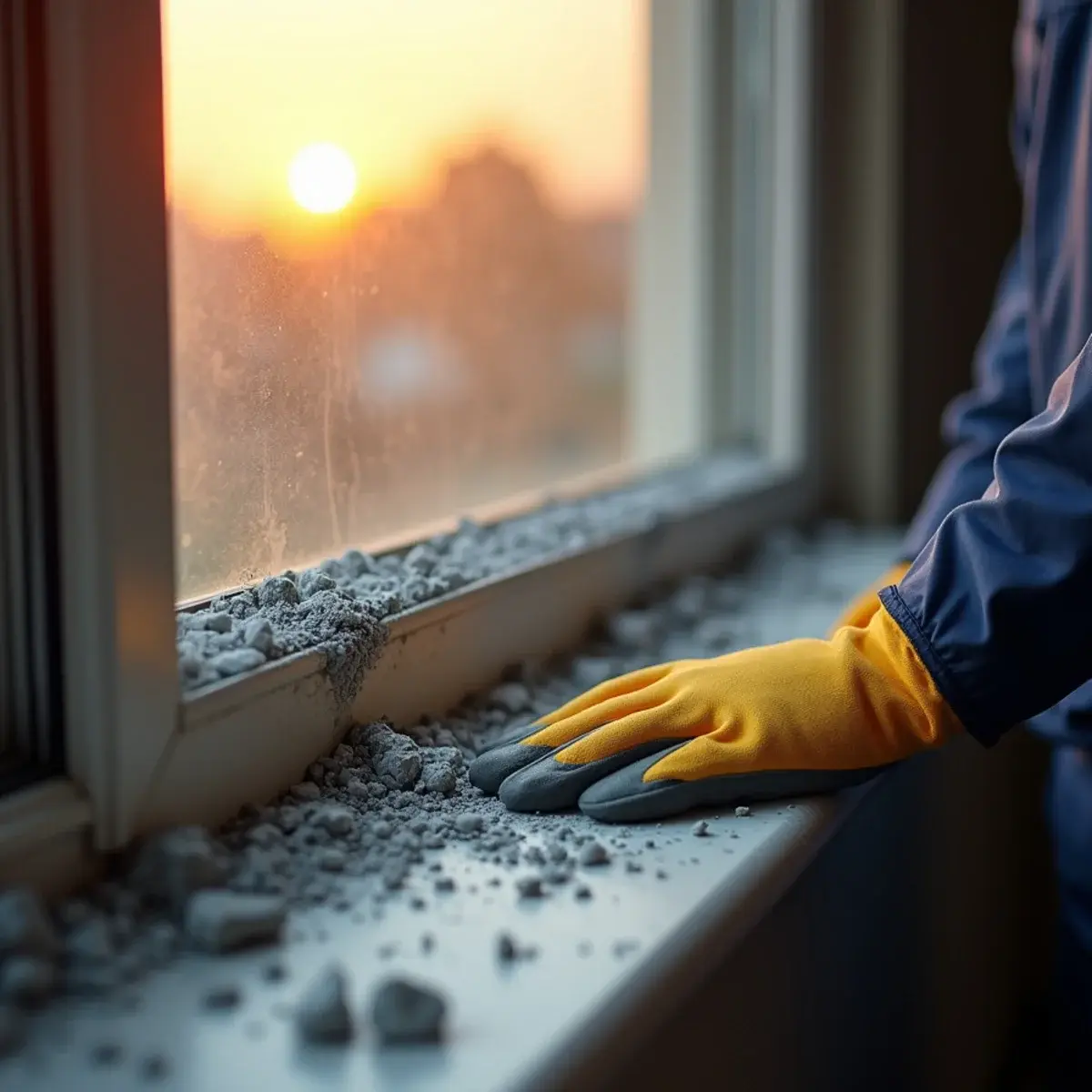
After a significant fire in the foothills, we get a predictable wave of calls from homeowners whose properties were never threatened by flames. The house smells like smoke, there's a fine gray film on horizontal surfaces, and the smell comes back every time the air conditioning runs.
That's smoke damage, it's real, and it's frequently not claimed because people assume damage requires fire.
Dealing with this right now? We answer 24/7.
Free assessment · 60-minute emergency response · We bill your insurance carrier directly
How smoke gets into a house that wasn't burning
Three routes, all of them ordinary building behavior:
HVAC intake. If your system ran during a smoke event, it pulled outside air through the return and distributed particulate through every duct in the house. That residue then sits in the ductwork and gets redistributed every time the system cycles — which is why the smell comes back weeks later.
Envelope infiltration. Every building exchanges air with outside continuously, through gaps around windows and doors, at penetrations, and through the ordinary leakage that all construction has. During a smoke event, that exchange brings smoke in.
Attic ventilation. Attics are deliberately vented, so smoke and ash enter freely and settle into insulation. That insulation then holds odor and, in a warm attic, off-gasses it downward into the living space.
What to look for
A fine gray or brown film on horizontal surfaces — windowsills, the tops of picture frames, ceiling fan blades, the surface of a bookshelf. Wipe a white cloth across a high surface and see what comes off.
Smoke odor that's persistent, and specifically odor that returns or intensifies when the HVAC runs or on warm days. Heat drives off-gassing from settled residue.
Ash on exterior surfaces, in gutters, on outdoor furniture and in the pool. If it's outside in quantity, some got inside.
Discoloration or yellowing on light-colored surfaces, particularly near air returns and around window frames.
Symptoms — throat irritation, congestion, headaches — that persist indoors after outdoor air quality has recovered.
Call +1 (201) 277-9344 — 24/7 in Glendale
Free assessment · 60-minute emergency response · We bill your insurance carrier directly
Why smoke residue isn't just dust
Smoke residue is chemically active and acidic. Left on surfaces it etches and corrodes: brass and copper tarnish, aluminum pits, stone etches, glass fogs permanently, and painted finishes discolor. The window between a cleanable surface and a replaceable one is measured in days to weeks.
Wildfire smoke also carries more than wood combustion products. When fire moves through developed areas it burns structures, vehicles, plastics and household chemicals, and the residue reflects that. It's a genuinely different composition from a campfire.
That's also why wiping it with a damp cloth is a mistake. Dry residue lifts off with the right dry method; introducing moisture first drives it into the surface and makes it permanent. Our fire and smoke damage restoration page covers why residue type determines cleaning method.
What proper remediation looks like
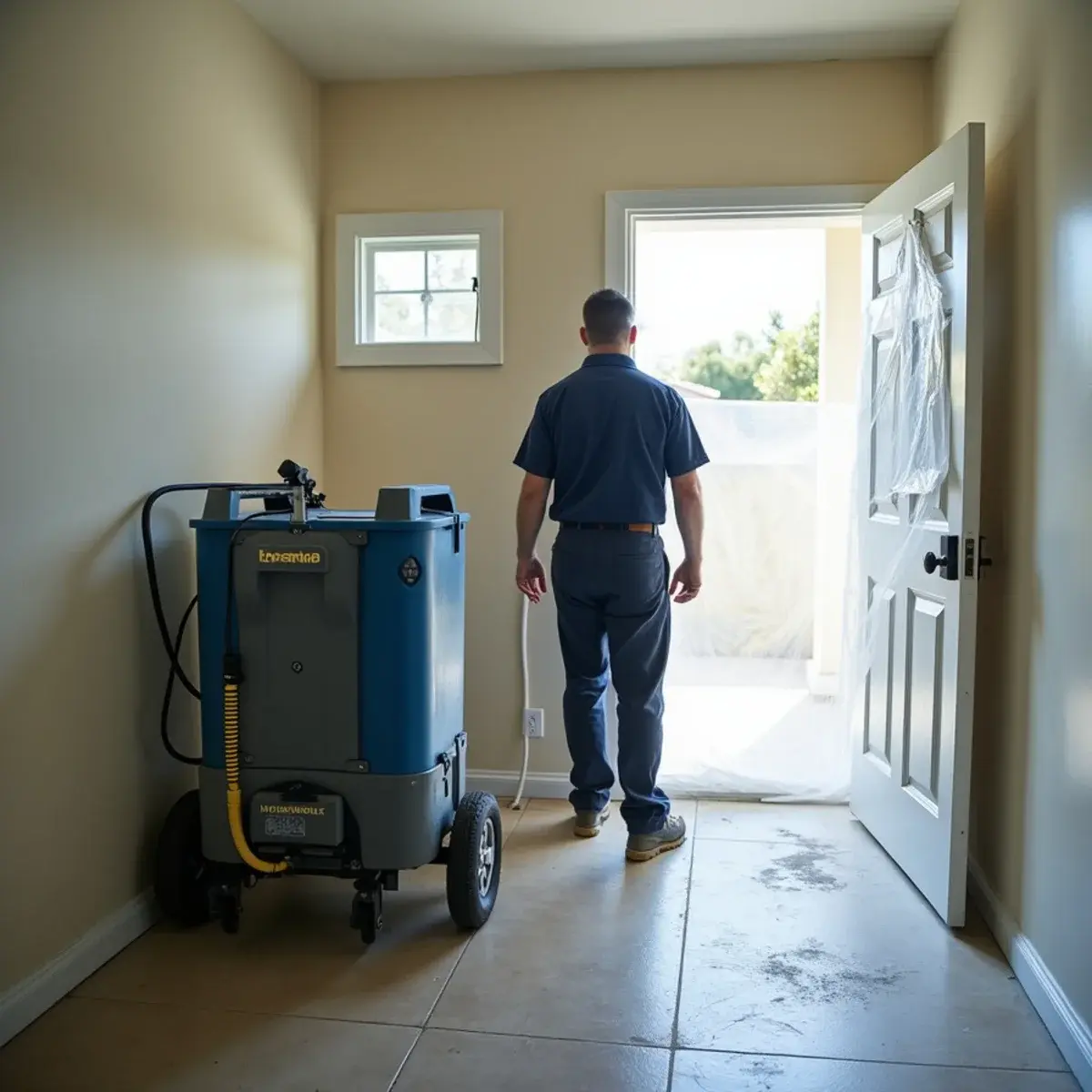
HEPA air filtration running through the space to capture airborne particulate.
Dry cleaning of surfaces with chemical sponges before any wet method, followed by appropriate cleaning agents matched to the residue type and the substrate.
Duct cleaning, which is essential rather than optional — residue in the duct system is why odor recurs after surface cleaning.
Attic insulation assessment and, where ash infiltrated significantly, replacement. Insulation cannot be cleaned.
Deodorization through hydroxyl generation or thermal fogging, which neutralizes odor molecules rather than covering them.
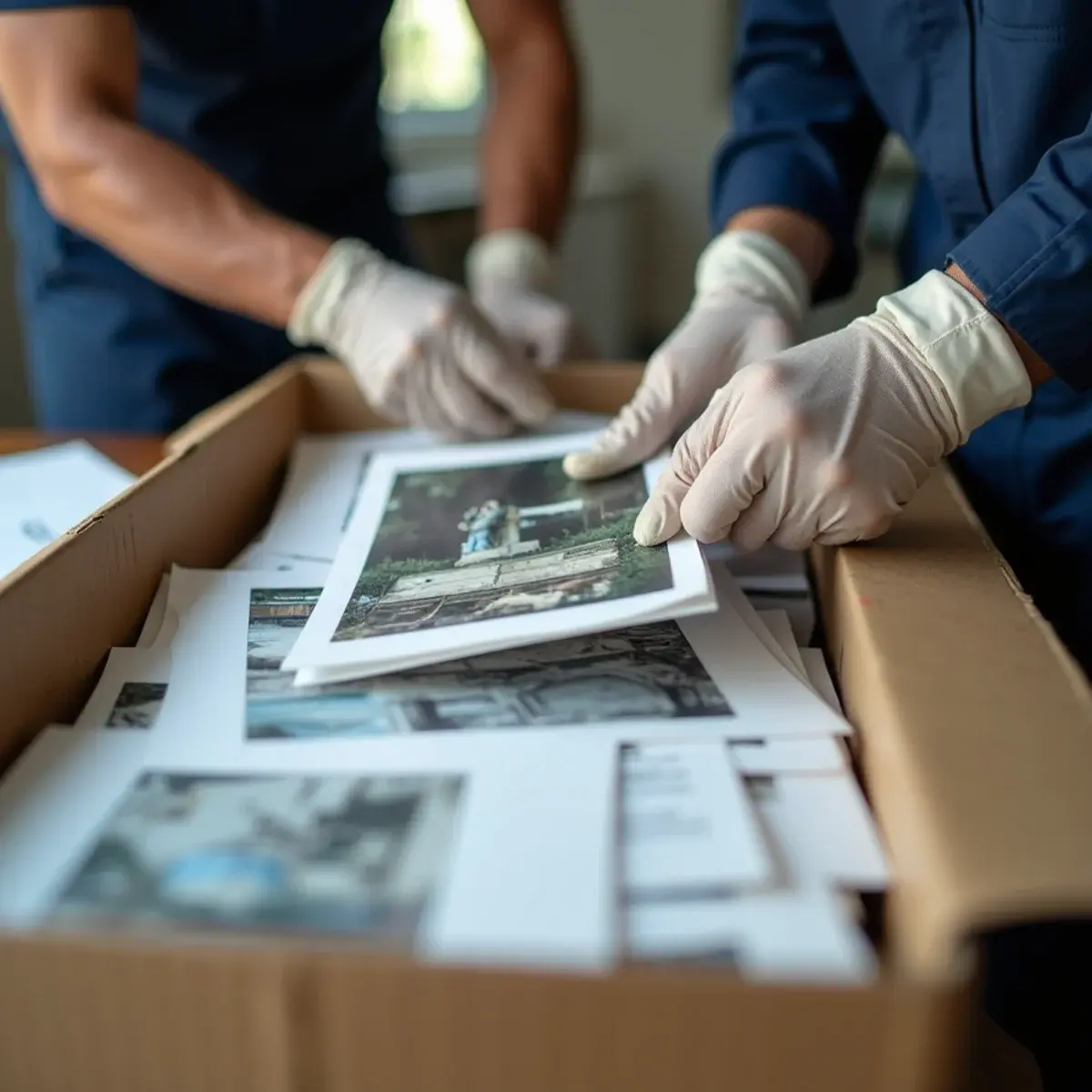
Contents cleaning, including textiles, soft goods and anything porous that absorbed odor.
The insurance conversation people don't have
Smoke and ash damage from a wildfire is a covered peril under most standard homeowners policies, whether or not fire reached your property. Scopes commonly include surface cleaning, duct cleaning, HEPA filtration, deodorization, contents cleaning and insulation replacement.
These claims go unfiled constantly, because the damage isn't dramatic and homeowners assume it doesn't count. It counts.
To support it: document the dates of the fire event and your property's position relative to it, photograph residue on surfaces including close-ups showing the film, note when the smell started and what makes it worse, and get an inspection that produces a written assessment. Our guide to documenting a damage claim applies here as well.
Preparing before the next one
For homes in and below the fire-prone foothills — Altadena, La Crescenta, Tujunga, Sunland and the canyon neighborhoods — a few things reduce smoke intrusion substantially:
- Know how to switch your HVAC to recirculate, and do it as soon as smoke is in the air.
- Keep high-MERV filters on hand and change them after a smoke event.
- Run a portable HEPA air cleaner in the rooms you occupy most.
- Seal obvious envelope gaps before fire season — weatherstripping, door sweeps, caulking at windows.
- Close the fireplace damper, which is a large uncontrolled opening most people forget.
- After the event, clean exterior surfaces and gutters before rain washes ash into your drainage and, on a foothill lot, into everything downslope.
Frequently asked questions
Light surface residue on hard non-porous surfaces, yes — but dry methods first, never a damp cloth on a dry residue. What you can't do yourself is the duct system, the attic, or the odor in porous materials, which is where recurring smell actually lives.
Months to years. Residue continues off-gassing, and heat and humidity make it worse. It doesn't fade on its own in any reasonable timeframe because the source material is still present.
A proper remediation including duct cleaning and deodorization is a meaningful expense, and it's typically covered. Get an inspection and a written scope, then decide with real numbers rather than assuming.
The bottom line
Smoke damage without fire damage is legitimate, common in the Glendale foothills, and under-claimed. The residue is acidic, the odor is persistent, and the duct system is why surface cleaning alone doesn't fix it.
Drycore Restore inspects and remediates smoke and ash damage across Glendale and the foothill communities. Call +1 (201) 277-9344.
Related services
- Fire & Smoke Damage Restoration in Glendale
- Contents Pack-Out & Restoration in Glendale
- Water Damage Restoration in Glendale