
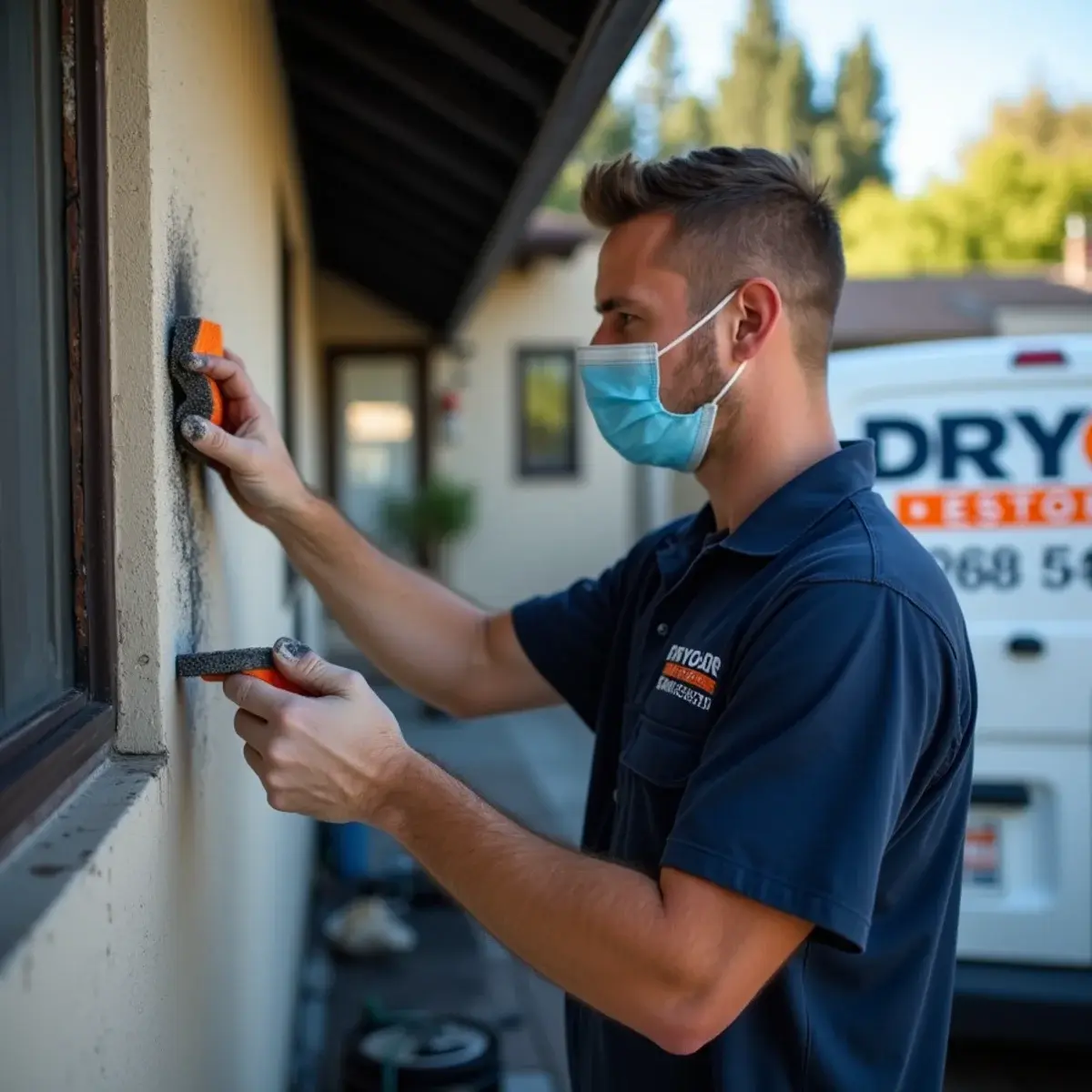
Glendale, CA · 24/7 response
Fire & Smoke Damage Restoration in Glendale, CA
Soot removal, odor elimination and the water damage the fire department leaves behind — handled together.
- 5.0 from 3 Google reviews
- Licensed, bonded & insured
- 60-minute emergency response
24/7 emergency response
A real person answers any hour — and you get a real ETA for your address, not a number off a website. 60-minute response in Glendale.
Dry-Verified Guarantee
Equipment stays until moisture meters match your home's dry standard.
Direct insurance billing
Daily moisture logs and carrier-format estimates. Most clients pay only their deductible.
Mitigation & rebuild in-house
One company from the first gallon extracted to the last coat of paint.
Almost every fire is also a water loss. Suppression puts hundreds or thousands of gallons into a structure in a matter of minutes, and that water sits in walls and floors alongside soot and smoke residue. Handling those as two separate projects is how fire restorations drag on for months.
Drycore Restore addresses both at once. We secure and board up the structure, extract and dry the suppression water before it causes secondary damage, clean soot from surfaces using the right method for each residue type, eliminate odor at the source, and rebuild.
Fire risk is not abstract in Glendale. The Verdugo and San Rafael foothills sit in state-designated high fire hazard severity zones, and homes there deal with smoke intrusion during regional fires even when flames never reach the property. Smoke damage without fire damage is a real and frequently under-claimed loss.
Need fire & smoke damage restoration in Glendale right now?
Free assessment · 60-minute emergency response · We bill your insurance carrier directly
Free on-site assessment
Tell us what's happening and we'll dispatch a fire & smoke damage restoration crew or call you straight back.
What we're looking for
Signs and problems this service solves
Soot on walls, ceilings and contents
Residue type varies by what burned. Dry soot from a fast, high-heat fire cleans differently than the oily residue from a smoldering protein or plastic fire — using the wrong method drives it into the surface permanently.
Persistent smoke odor
Smoke particles penetrate porous materials and continue off-gassing for months. Odor that returns on warm or humid days means residue is still present in the structure.
Standing water and saturated materials after suppression
Fire hose water is a full category 2 or 3 water loss on top of the fire damage, and it needs the same urgency any other water loss does.
Yellowing or etching on surfaces
Smoke residue is acidic. Left on metal, stone, glass and finished surfaces it etches and corrodes permanently, sometimes within days.
Smoke intrusion from a nearby wildfire
Homes in the foothills accumulate smoke residue and ash through HVAC intake and building envelope gaps during regional fire events, without any fire on the property.
An unsecured structure after a fire
Openings from fire, suppression or overhaul leave the property exposed to weather and entry. Board-up and tarping are the first priority, and they're a covered emergency expense.
Scope of work
What fire & smoke damage restoration includes
Board-up and roof tarping to secure the property
Openings from fire, suppression or overhaul boarded and tarped immediately. It is an emergency expense covered under essentially every policy, and your policy also generally requires you to take these steps.
Suppression water extracted and dried first
Firefighting puts hundreds or thousands of gallons into a structure. That is a full category 2 or 3 water loss layered on top of the fire, and it has to come out before soot cleaning can work at all.
Residue typed before any cleaning method is chosen
Dry soot from a fast-burning fire lifts with chemical sponges and smears permanently if you introduce moisture. Oily protein residue from a kitchen fire needs solvent cleaning and will not respond to dry methods. Using the wrong one converts a cleanable surface into a replaceable one.
Structural cleaning and contents handling
Surfaces cleaned by matched method; salvageable contents routed to ultrasonic cleaning, ozone or textile restoration. Smoke residue is acidic and etches metal, stone and glass within days, so the sequence is time-critical.
Deodorisation at the source, plus duct cleaning
HEPA filtration throughout, hydroxyl or thermal fogging, and sealing of framing where residue penetrated. Ductwork is cleaned whenever the HVAC ran — it is the reservoir that makes odour return weeks later.
Reconstruction to pre-loss condition
Framing repair, drywall, finishes, flooring and cabinetry, with permits pulled where the scope requires them.
How it works
Our fire & smoke damage restoration process
- 1
Board-up and site securing
Openings get boarded, the roof gets tarped, and the property is secured. This is an emergency service, available immediately, and it's covered under virtually every policy.
- 2
Water extraction and drying
Suppression water comes out first. Left in place it adds mold and structural damage on top of fire damage, and it makes soot residue far harder to remove.
- 3
Soot and residue assessment
We identify the residue types present and match cleaning methods to them — dry chemical sponges for dry soot, solvent-based cleaning for oily protein residue, abrasive methods on structural framing where needed.
- 4
Cleaning and content handling
Structural surfaces and salvageable contents are cleaned with appropriate methods. Contents needing specialty treatment go out for ultrasonic cleaning, ozone or textile restoration.
- 5
Deodorization
Odor is removed, not masked. Thermal fogging, hydroxyl generation and sealing of structural surfaces where residue has penetrated, combined with HEPA filtration throughout.
- 6
Reconstruction
Framing repair, drywall, finishes, flooring, cabinetry — rebuilding the affected area to pre-loss condition with permits pulled where the scope requires them.
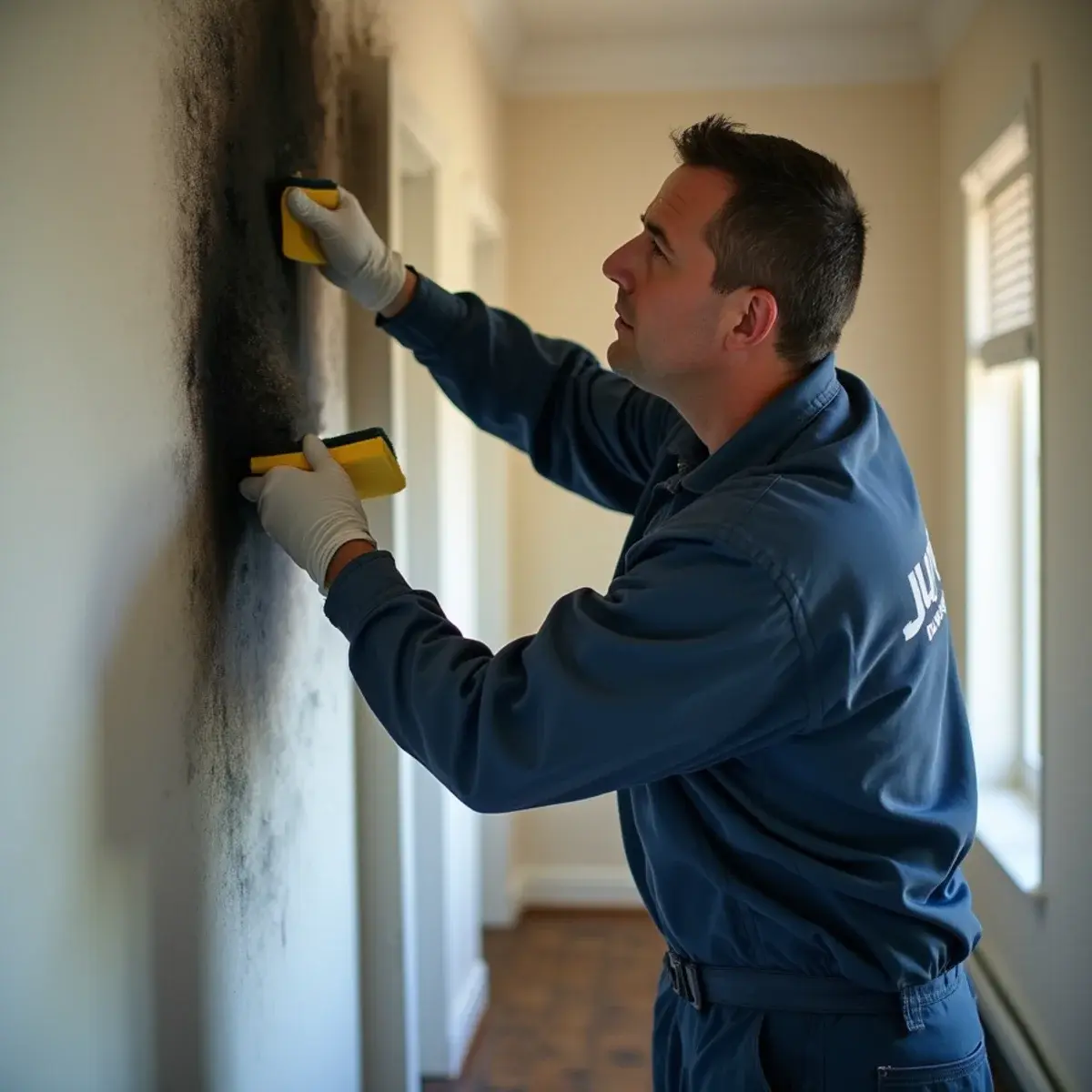
Why soot has to be cleaned before it sets
Smoke residue is chemically active. It's acidic, and on many materials it begins to etch within hours to days — brass and copper tarnish, aluminum pits, marble and other stone etch, glass fogs permanently, and painted or finished surfaces discolor. The window between a cleanable surface and a replaceable one is often measured in days, not weeks.
The type of residue determines the method, and using the wrong one causes irreversible damage. Dry soot from a fast-burning fire lifts off with dry chemical sponges but smears hopelessly if you introduce moisture first. Oily protein residue from a kitchen fire needs solvent cleaning and won't respond to dry methods at all. Wet smoke from smoldering plastics is sticky and pungent and typically requires the most aggressive approach.
This is the single strongest argument against DIY on a fire loss. Well-intentioned wiping with a wet cloth converts dry soot into a permanent stain on drywall and paint, adding weeks of work and, often, materials that now have to be replaced instead of cleaned.
Smoke damage from wildfire without a fire at your home
During a significant regional fire, homes miles from the flames accumulate smoke residue and fine ash. It enters through HVAC intakes, around windows and doors, and through the ordinary air exchange every building has. The result is a home that smells of smoke, has a fine gray film on horizontal surfaces, and — importantly — has residue inside the duct system that will keep redistributing itself every time the system runs.
This is a legitimate insurance claim under most policies, and it's frequently not filed because homeowners assume damage means fire damage. If your home was in a smoke plume during a foothill fire, an inspection is worth doing. Duct cleaning, HEPA filtration, surface cleaning and attic insulation replacement where ash infiltrated are all common scopes.
For foothill properties, the practical preparation is worth mentioning too: know how to switch your HVAC to recirculate, have quality filters on hand, and seal obvious envelope gaps before fire season rather than during it.
Honest cost drivers
What determines the price of this work
Extent of structural fire damage
Charred framing that requires replacement is a different scale of work than smoke and soot on intact surfaces.
Type of smoke residue
Protein fires from cooking leave an oily, extremely pervasive residue that is far more labor-intensive to remove than the dry soot from a paper or wood fire, even when the visible damage looks minor.
Water damage from suppression
The drying scope is an additional full project layered on the fire work, and it typically has to happen first.
Contents volume and salvageability
Contents cleaning and specialty restoration is often a large share of a fire claim, and the item-by-item triage takes time.
Deodorization difficulty
Odor that has penetrated framing, subfloor and HVAC ductwork requires sealing and duct cleaning beyond surface treatment.
Get a free, measured estimate — not a phone guess
Free assessment · 60-minute emergency response · We bill your insurance carrier directly
Why us for this
Why Glendale calls Drycore Restore for fire & smoke damage restoration
One company for the fire and the water it created
Almost every fire is also a water loss. Handling them as two separate projects is how fire restorations drag on for months, and it is why the drying frequently gets short-changed.
We file the smoke claim people never file
Homes miles from any flame accumulate acidic residue through HVAC intake and envelope gaps during a foothill fire. It is covered under most policies and it goes unclaimed constantly because owners assume damage requires flames.
Please do not wipe it first
Damp-wiping dry soot is the single most common way a cleanable wall becomes a repaint. We would rather you call and touch nothing than help in a way that costs you a room.
Foothill fire experience, both seasons
Altadena, La Crescenta, Tujunga, Sunland, Chatsworth and the canyon neighbourhoods get smoke in the dry months and debris-laden runoff off the burn scar in the wet ones. We work both ends of that cycle every year.
Questions
Fire & Smoke Damage Restoration FAQs
Yes, when the residue causing it is fully removed. Odor that returns is residue that was missed — commonly in wall cavities, attic insulation, ductwork or the underside of subfloor. Thorough cleaning plus hydroxyl or thermal fogging and, where needed, sealing of structural surfaces eliminates it for good.
Please don't. Wiping soot with a damp cloth is the most common way a cleanable surface becomes a replaceable one. Ventilate if it's safe, don't touch surfaces, and let us assess the residue type first.
Yes, and it's part of why calling one company matters here. Suppression water is a full water loss and it needs extraction and drying immediately — often before soot cleaning can begin.
Usually, yes. Smoke and ash damage from a wildfire is a covered peril under most standard policies even when there was no fire at your property. Document it with photos, note the dates of the fire event, and have it inspected — these claims are commonly missed.
Yes, and it is one of the most under-claimed losses we see. Smoke and ash damage from a wildfire is a covered peril under most standard policies whether or not flames reached your property. If there is a fine grey film on horizontal surfaces, or the smell returns whenever the air conditioning runs, the residue is in your duct system and it will keep redistributing until it is cleaned. An inspection is free.
Related restoration services
Water Damage Restoration
Full-service recovery from the first gallon extracted to the last coat of paint — one crew, one invoice, one point of contact.
Read moreContents Pack-Out & Restoration
Your belongings inventoried, photographed, cleaned and stored — so the crew can work and nothing gets lost.
Read moreWater Damage Repair & Reconstruction
The rebuild phase most restoration companies hand off — done in-house, so the job actually finishes.
Read more
Further reading from our crews
Wildfire Smoke Damage in Homes That Never Caught Fire
Flames never reached your house, but the smoke did. That's real, documentable damage — and in most policies, a covered one.
Read moreHow To Document Water Damage for an Insurance Claim
Claims are decided on evidence. Most of the evidence that matters can only be gathered in the first few hours — before anyone starts cleaning up.
Read more
Fire & Smoke Damage Restoration across our full service area
We provide this service throughout Glendale and the surrounding foothill communities. Choose your city or neighborhood for local detail.
- Glendale
- Montrose
- La Crescenta
- Verdugo Woodlands
- Rossmoyne
- Adams Hill
- Chevy Chase Canyon
- Sparr Heights
- Burbank
- Pasadena
- La Cañada Flintridge
- Eagle Rock
- Atwater Village
- Tujunga
- Sunland
- Altadena
- South Pasadena
- Silver Lake
- North Hollywood
- Toluca Lake
- Shadow Hills
- Lake View Terrace
- Sylmar
- San Fernando
- Sierra Madre
- Monrovia
- Duarte
- Azusa
- Glendora
- San Dimas
- La Verne
- Claremont
- Sun Valley
- Studio City
- Valley Village
- Sherman Oaks
- Van Nuys
- Panorama City
- Arleta
- Pacoima
- Mission Hills
- North Hills
- Encino
- Reseda
- Northridge
- Granada Hills
- Tarzana
- Winnetka
- Canoga Park
- Woodland Hills
- Chatsworth
- Glassell Park
- Cypress Park
- Highland Park
- Mount Washington
- Los Feliz
- Echo Park
- Lincoln Heights
- El Sereno
- Boyle Heights
- East Los Angeles
- Hollywood
- Hollywood Hills
- Downtown Los Angeles
- Koreatown
- Westlake
- Pico-Union
- Mid-Wilshire
Need fire & smoke damage restoration in Glendale?
Call +1 (201) 277-9344 for 24/7 dispatch, or request a free on-site assessment. Licensed, bonded & insured · We bill your insurance carrier directly.
Licensed, bonded & insured · We bill your insurance carrier directly · 24/7 Emergency Service