The Four Appliance Leaks That Cause the Most Damage
Four appliances account for the majority of residential water losses. All four are preventable for less than the cost of a deductible.
Appliance failures are the most common cause of residential water damage, and they're notable because they're the category where prevention actually works. You can't schedule when a slab leak develops. You can absolutely replace a washing machine hose.
Four appliances account for most of it. Here's what fails on each, and what to do about it.
Dealing with this right now? We answer 24/7.
Free assessment · 60-minute emergency response · We bill your insurance carrier directly
1. Washing machines — the worst offender
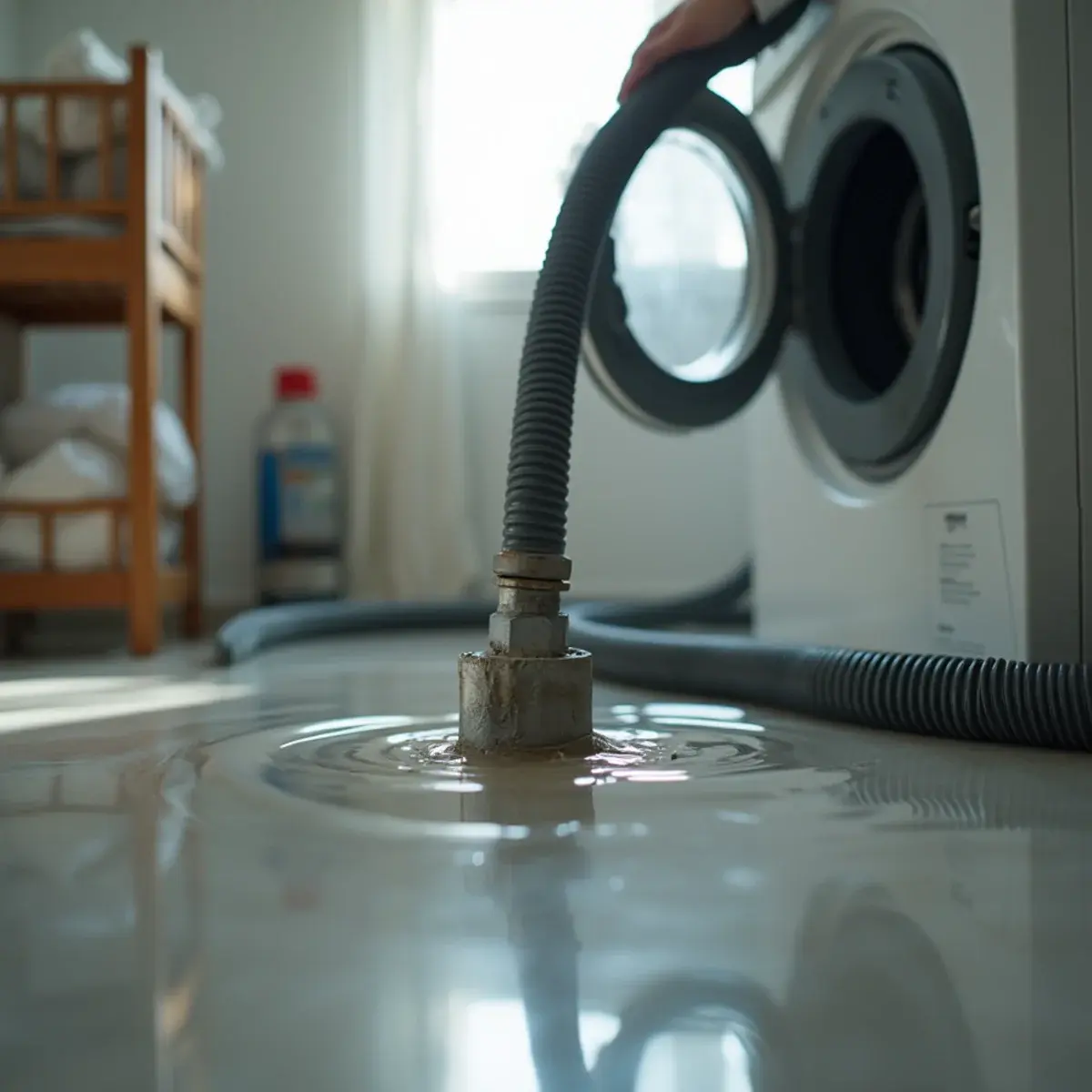
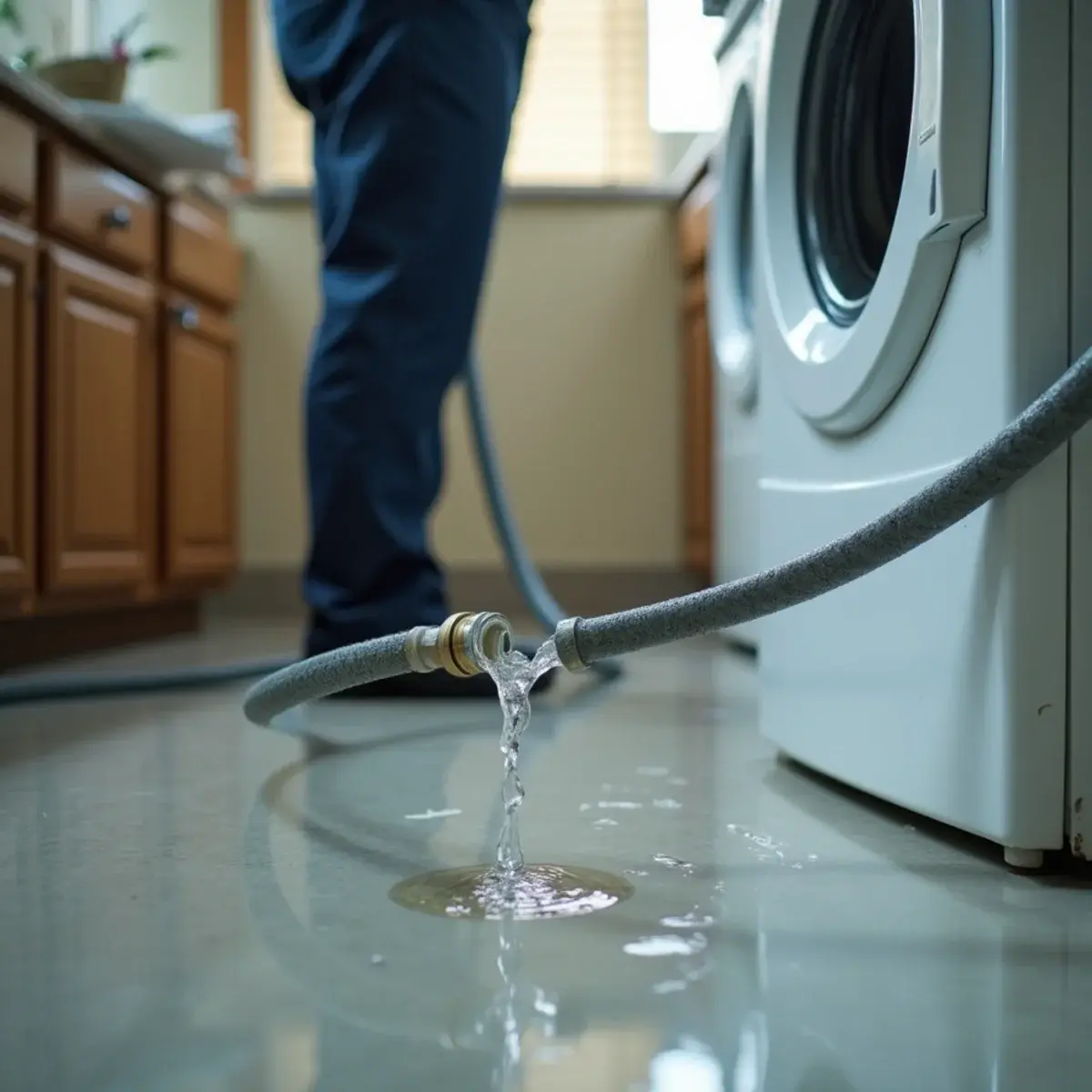
The failure is almost always the supply hose, not the machine. Standard rubber hoses are rated for a handful of years and are routinely left in service for fifteen or twenty. They harden, crack at the crimp, and split under the constant pressure they're always under — because unlike a faucet, those hoses are pressurized 24 hours a day whether the machine is running or not.
When one lets go it delivers roughly six gallons a minute with nothing to stop it. A failure at 9 a.m. discovered at 6 p.m. has put more than three thousand gallons into your house.
The fix takes twenty minutes: replace both hoses with braided stainless steel, write the installation date on them with a marker, and close the valves when you travel for more than a few days. If your laundry is on an upper floor, add a drain pan with a piped drain line — a second-floor hose failure damages the laundry room, the ceiling below, and usually a room or two on either side.
2. Water heaters — the biggest single volume
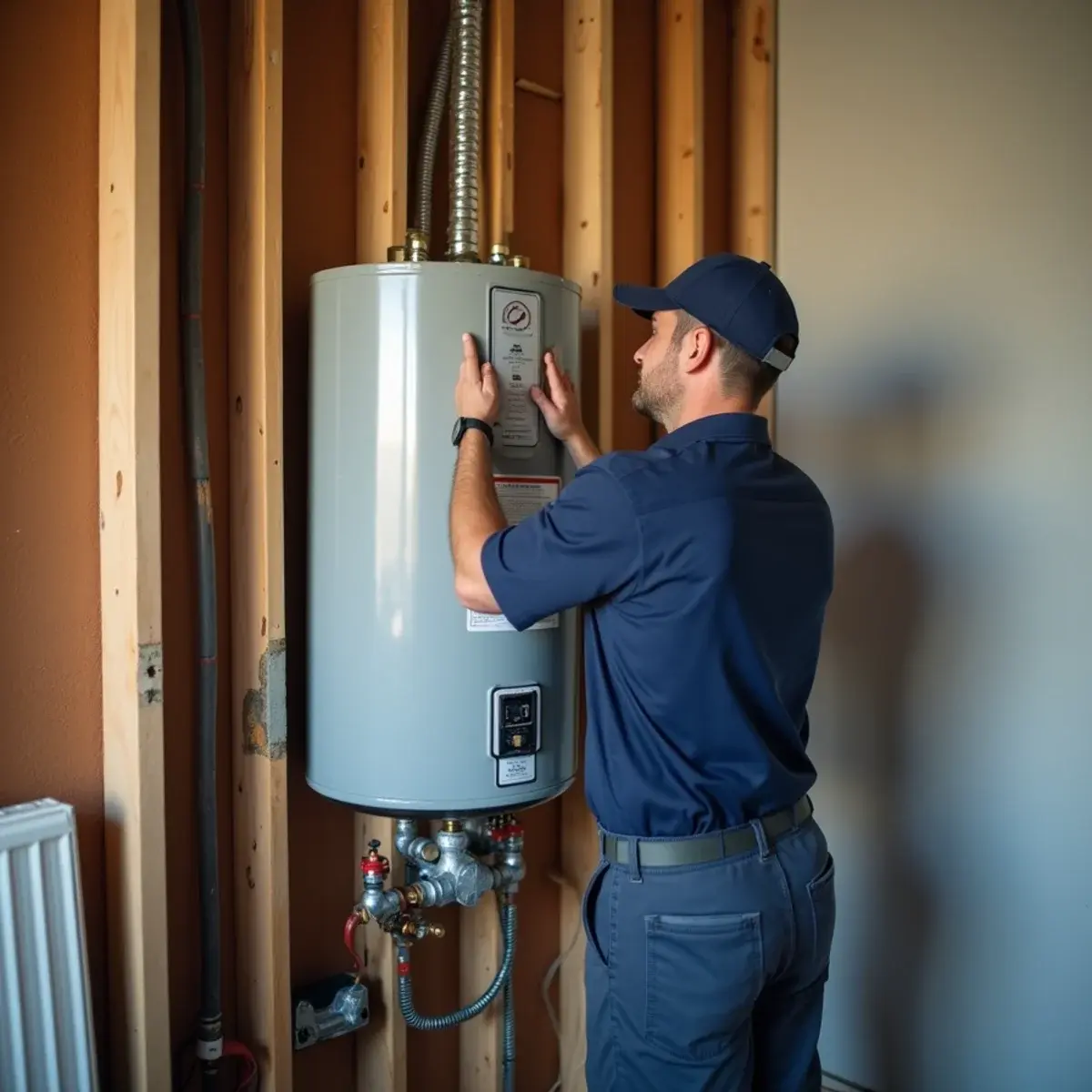
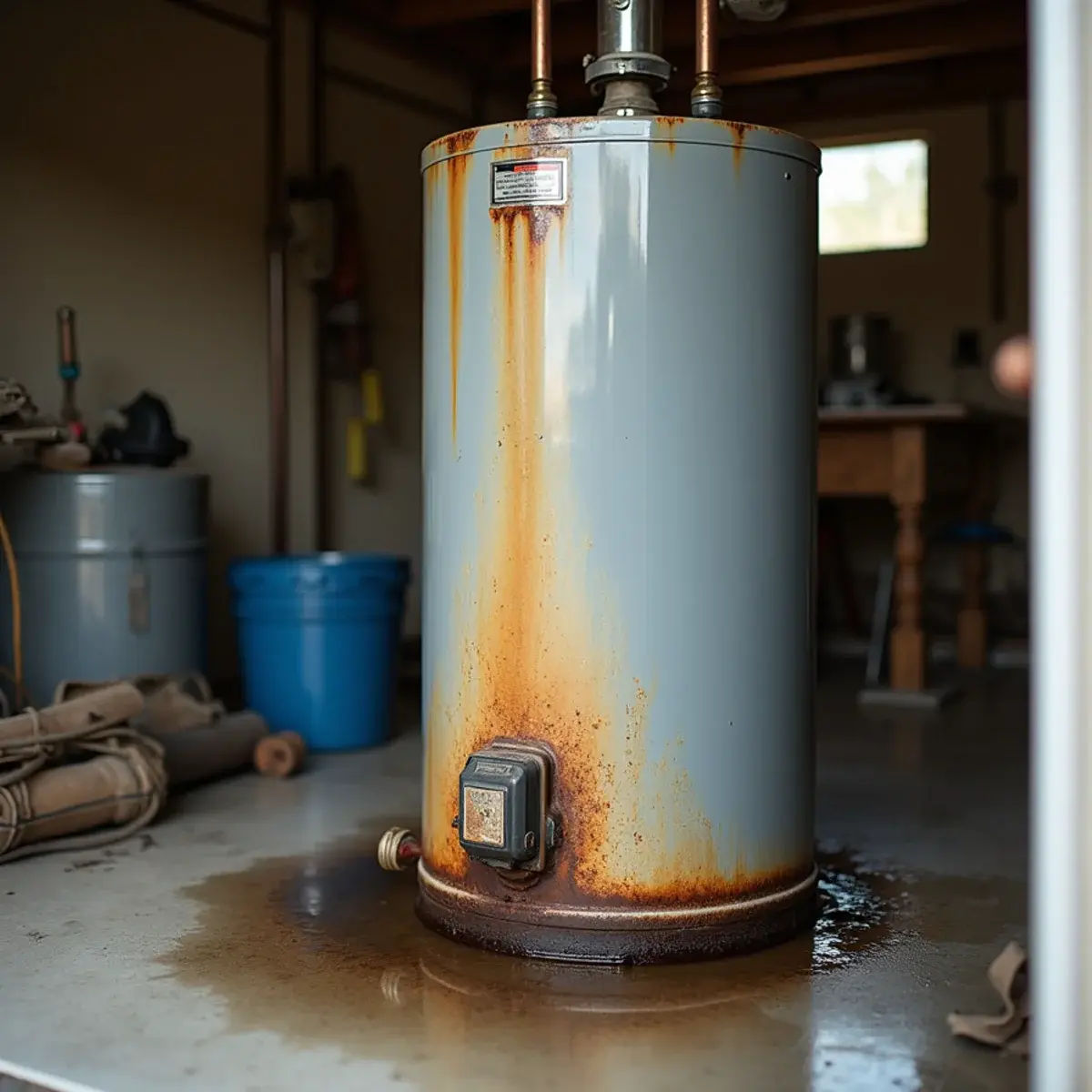
A tank water heater has a realistic service life of about twelve years in our water. The failure mode is the glass lining cracking, letting water reach the steel tank, which then corrodes until it splits — releasing 40 to 75 gallons at once, followed by continuous supply flow until someone shuts the valve.
The warning sign is water in the pan or on the floor around the base. A weeping tank is a failing tank. It does not get better, and the time between weeping and splitting is unpredictable.
What to do: know the age of yours (there's a date code on the label). Check the pan twice a year. Make sure the temperature-and-pressure relief valve is piped to a drain rather than terminating in open air. And if the unit sits in or above finished space — which is common in Glendale condos and townhomes — install a pan with a drain line and a leak sensor with automatic shut-off.
Call +1 (201) 277-9344 — 24/7 in Glendale
Free assessment · 60-minute emergency response · We bill your insurance carrier directly
3. Dishwashers — the sneaky one
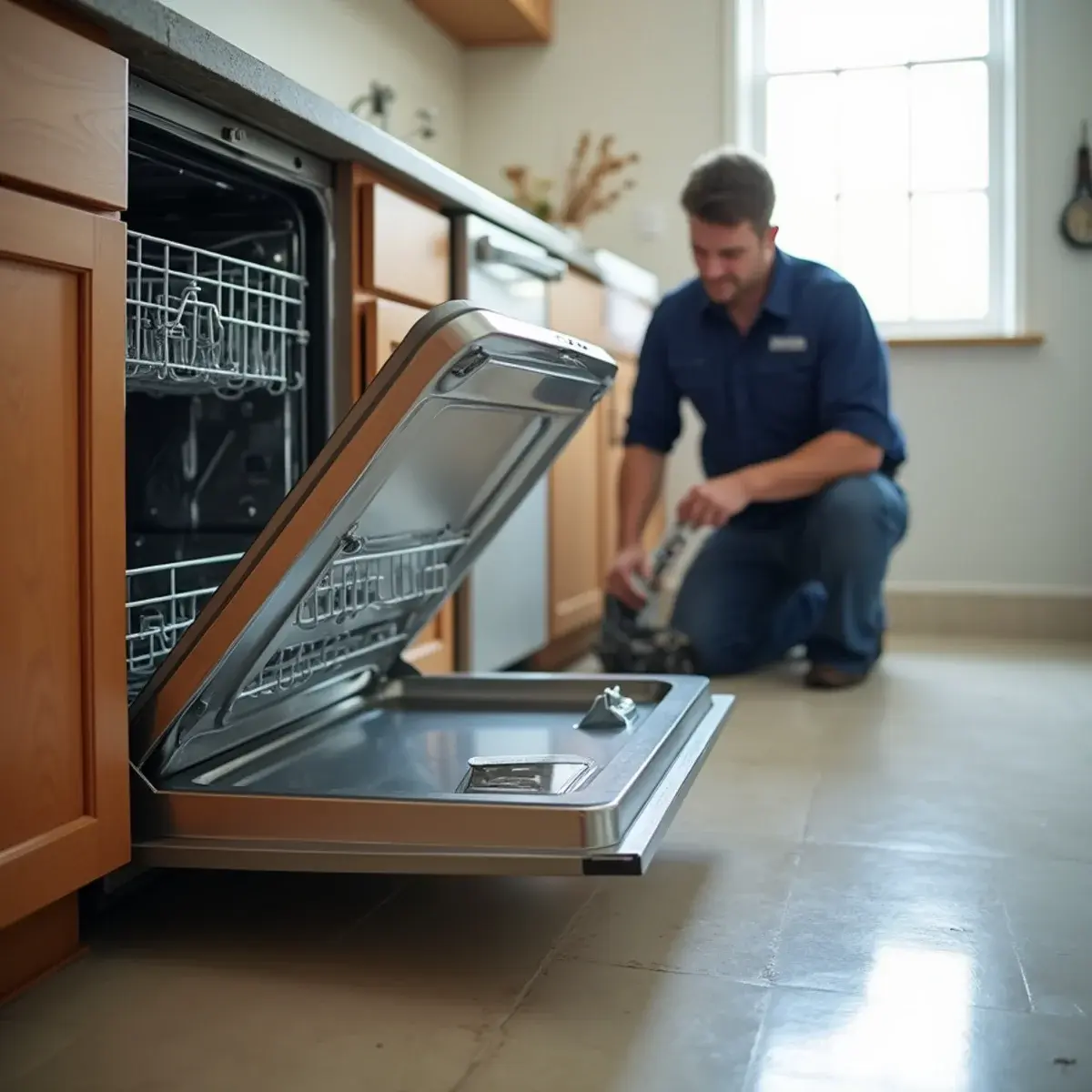
Dishwashers rarely fail dramatically. They fail slowly, through a degraded door seal, a loosening drain hose connection or a cracked supply line, and the water runs under the unit into the cabinet base rather than out onto the floor where you'd see it.
By the time water appears at the front of the cabinet, the cabinet floor and the subfloor beneath have often been wet for months. The tell-tale signs are a swollen or delaminating toe-kick, discolored flooring directly in front of the unit, and a musty smell near the sink.
This is the failure where saving your cabinet run is genuinely at stake. Caught early, we dry cabinet cavities in place through the toe-kick and the kitchen stays intact. Caught late, particleboard boxes have swollen and the run has to be replaced.
4. Refrigerator ice maker lines
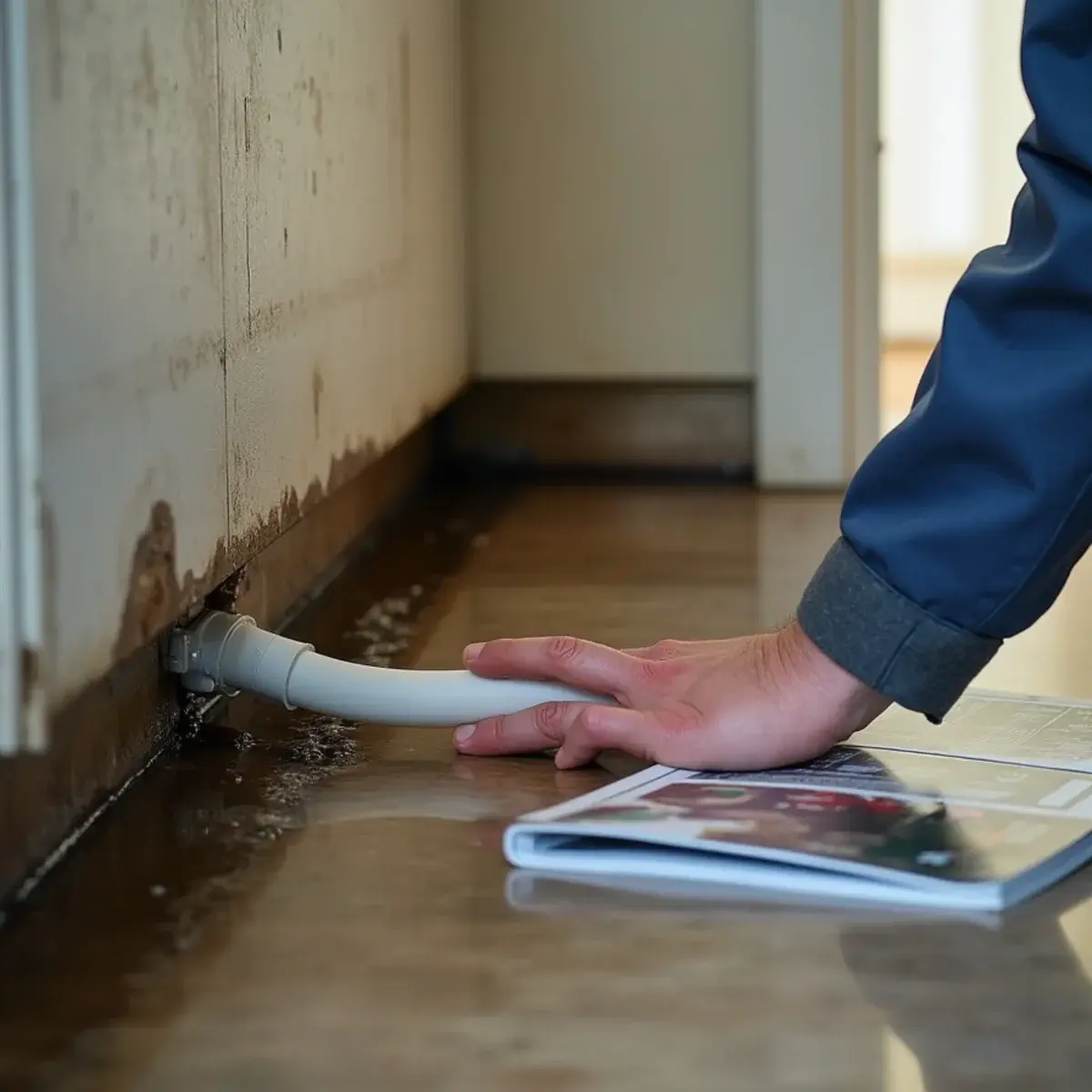
The classic hidden leak, because nobody moves the refrigerator. Older installations used thin plastic tubing that becomes brittle and cracks, and the drip runs down the back of the unit into the wall and floor behind it.
It can run for years. We've opened walls behind refrigerators and found rot in the bottom plate and growth across the back of the drywall from a leak nobody knew existed.
Fix: replace plastic tubing with braided stainless or copper, and pull the refrigerator out to look behind it twice a year. If you have a leak sensor budget, behind the fridge is one of the best places to spend it because it's the spot you're least likely to check.
Leak sensors: the best money in home maintenance
Point sensors cost very little each and alert you when they detect water. Put them under every sink, behind the refrigerator, in the water heater pan and in the laundry.
The better version ties into an automatic shut-off valve on the main. When a sensor detects water, the valve closes. That's the difference between a puddle and a claim.
Whole-home systems monitor flow at the main and shut off when the pattern looks like a failure — continuous flow at 3 a.m., for instance. More expensive, and the closest thing to genuine prevention that exists.
Worth asking your insurance carrier about: several offer premium credits for automatic shut-off systems, and over a few years the discount frequently covers the installation.
- Under every sink — kitchen, bathrooms, laundry and any bar sink.
- Behind the refrigerator — the spot you are least likely to ever check.
- In the water heater pan — the highest-volume single failure in the house.
- At the washing machine — hoses are pressurised twenty-four hours a day.
- Under a dishwasher — where a slow drip runs into the cabinet base rather than onto the floor.
- Upgrade: tie any of these to a motorised valve on the main so the water stops rather than just alerting you.
The upstairs appliance problem
Any water-using appliance above living space multiplies the damage of a failure, because water doesn't just spread across a floor — it finds the nearest penetration and pours into the ceiling below.
Second-floor laundries are the most common version, but upstairs water heaters, wet bars and refrigerators in upstairs media rooms all have the same exposure. We've seen a single hose failure damage a laundry room, a hallway, a kitchen ceiling and a run of kitchen cabinets in one event.
If you have any of these, a pan with a piped drain and an automatic shut-off sensor isn't optional maintenance — it's the difference between a service call and a reconstruction project.
Frequently asked questions
Every three to five years for rubber hoses. Braided stainless lasts considerably longer but should still be inspected annually for bulging or corrosion at the crimps. Write the date on them so you're not guessing.
Generally not. Sudden failures are covered; a leak that ran for months is usually excluded as gradual damage. This is precisely why catching them early matters — both for the damage and for the coverage.
Probably. The floor surface dries first; the cabinet base and subfloor underneath hold water far longer. A ten-minute moisture check settles it, and ours are free.
The bottom line
Braided hoses, a water heater you know the age of, leak sensors under the appliances you never look behind, and pans under anything above living space. That's the whole list, and it costs less than most deductibles.
If something already failed, Drycore Restore specializes in drying kitchens and laundries without gutting them. Call +1 (201) 277-9344.
Related services
- Appliance Leak & Overflow Cleanup in Glendale
- Water Damage Restoration in Glendale
- Structural Drying & Dehumidification in Glendale