Santa Ana Winds: Storm Damage Preparation for Glendale Homes
Santa Anas rarely bring rain — they bring the roof damage that leaks two months later when the rain finally arrives.
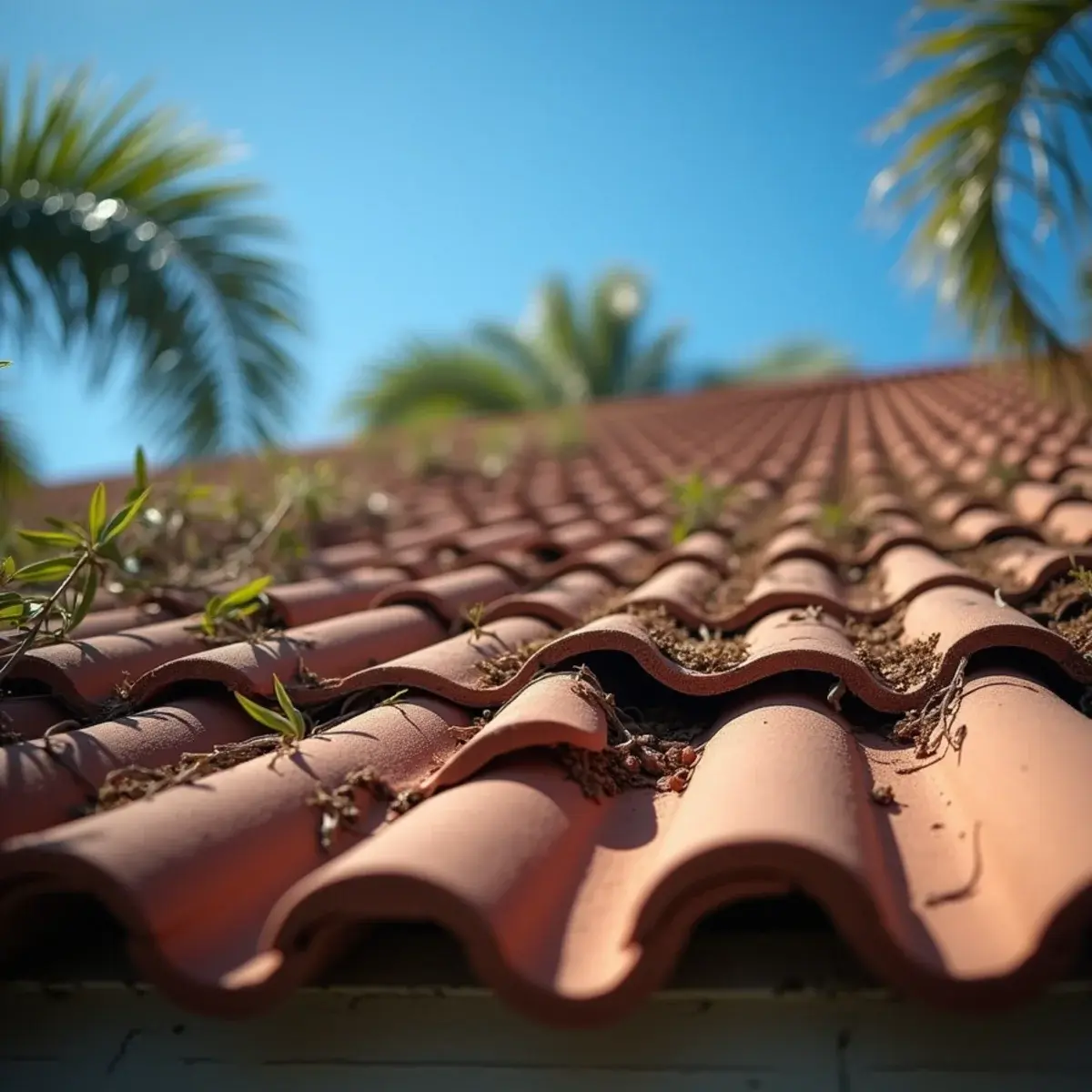
Santa Ana winds are a dry-season phenomenon, which is why homeowners tend not to associate them with water damage. The connection is delayed: a wind event in October lifts tile or tears flashing, nothing leaks because it isn't raining, and the damage sits unnoticed until the first real storm in January.
By then it's been two months, the roofer is booked, and water is in your ceiling.
Dealing with this right now? We answer 24/7.
Free assessment · 60-minute emergency response · We bill your insurance carrier directly
What the wind actually damages
Roof coverings first. Tile lifts and slides, shingles curl and tear at the fastener line, and ridge caps come loose. Homes on exposed ridgelines — the Verdugo foothills, the canyon neighborhoods, upper hillside streets — take the worst of it because the wind accelerates over topography.
Flashing at chimneys, skylights and wall intersections, which is thin metal and the most vulnerable detail on any roof.
Trees and limbs. Santa Anas are notorious for bringing down eucalyptus and other shallow-rooted species, and a limb on a roof punctures the deck rather than just displacing covering.
Fencing, patio covers, awnings and anything else that presents surface area to the wind and becomes debris when it fails.
Windows and doors, both from direct pressure and from windborne debris.
- Roof coverings — tile lifts and slides, shingles tear at the fastener line, ridge caps work loose.
- Flashing — thin metal at chimneys, skylights and wall intersections is the most vulnerable detail on any roof.
- Trees and limbs — shallow-rooted species come down, and a limb punctures the deck rather than just displacing covering.
- Fencing, patio covers and awnings — anything presenting surface area, which then becomes debris.
- Windows and doors — from direct pressure and from windborne debris.
- Rooftop equipment — satellite dishes, solar mounts and vent caps that were secured for gravity, not lateral load.
The delayed-damage problem
Wind damage that doesn't leak immediately is the most common cause of the first-storm ceiling leak. The mechanism is simple: a displaced tile or a torn flashing detail exposes underlayment or deck. Nothing happens for months because there's no water. Then the first significant rain finds the opening.
This is why a post-wind inspection matters even when nothing appears wrong. Look from the ground with binoculars after any significant wind event: displaced or missing tiles, irregular patterns in the roof surface, debris in valleys, lifted shingle edges, and anything that looks different from before.
Check the attic too. Daylight visible anywhere other than a vent means an opening, and it's much easier to find on a bright dry day than during the storm that reveals it.
Call +1 (201) 277-9344 — 24/7 in Glendale
Free assessment · 60-minute emergency response · We bill your insurance carrier directly
Before the wind: what's worth doing
Trim trees, particularly limbs overhanging the roof or the driveway, and get shallow-rooted species assessed by an arborist if they're close to the house.
Secure or store patio furniture, umbrellas, planters and anything else that becomes a projectile. Windborne debris causes as much damage as wind pressure.
Clear gutters and roof valleys — accumulated debris gets redistributed and can dam water later.
Check that anything roof-mounted is properly secured: satellite dishes, solar mounts, vent caps, and rooftop equipment.
Close the fireplace damper and secure exterior doors. Wind pressure through an open door or garage can lift a roof from inside.
After the wind: the 48-hour window
Do the visual inspection promptly, while any damage is obvious and before you forget the event happened.
Photograph anything you find, including a wide shot that establishes context. If a claim follows, the timing evidence — damage documented immediately after a specific wind event — is what supports it. Roof damage discovered in January and attributed to an October wind event is a harder argument if there's no record.
Get openings covered. Any breach in the roof or the envelope needs to be secured before the next weather, and emergency board-up and roof tarping is available 24/7 for exactly this. A tarp buys weeks, which is enough time to get a roofer scheduled properly rather than in an emergency.
Report to your carrier. Wind is a covered peril under standard policies, and emergency mitigation costs are covered as well. Your policy also generally requires you to take reasonable steps to prevent further damage — a documented tarp installation satisfies that obligation.
Why it matters more in the foothills
Wind accelerates over terrain, so hillside and ridgeline properties in Chevy Chase Canyon, the Verdugo foothills and the canyon neighborhoods experience meaningfully higher wind speeds than valley-floor addresses in the same event.
There's a compounding factor too. Santa Ana conditions are also peak fire conditions, and a wind event that damages your roof may be followed within days by a fire event that fills your house with smoke. Both are claimable, and both benefit from documentation at the time.
Then winter arrives, and any opening the wind created becomes a water intrusion point. The three seasons are connected, which is why we treat post-wind inspection as part of rainy season preparation rather than a separate task. Our full rainy season preparation checklist covers the rest.
Frequently asked questions
Yes, wind is a standard covered peril, including resulting interior damage when rain enters through a wind-created opening. Emergency mitigation like tarping is also covered. Damage from a roof that simply wore out is not.
Before the next rain, and ideally within a day or two. Your policy requires reasonable steps to prevent further damage, and a documented tarp both protects the property and satisfies that obligation.
You can file, but it's harder to establish causation. Carriers reasonably ask why it wasn't reported at the time. This is why a post-event inspection and dated photographs matter even when nothing is leaking.
The bottom line
Santa Anas cause water damage on a delay. The inspection that prevents a January ceiling leak happens in October, from the ground, with binoculars, right after the wind stops.
If something did open up, Drycore Restore tarps and boards up 24/7 across Glendale and the foothill communities. Call +1 (201) 277-9344.
Related services
- 24/7 Emergency Board-Up & Tarping in Glendale
- Ceiling & Roof Leak Damage in Glendale
- Flood & Storm Damage Cleanup in Glendale