Does Homeowners Insurance Cover Water Damage in California?
The line between covered and excluded is narrower and more specific than most people expect — and it usually comes down to two words in your policy.
Almost every standard California homeowners policy covers water damage. Almost every one also excludes water damage. Both statements are true, and the difference between them is where nearly all claim disputes live.
This is a plain-language guide to the distinctions that actually determine outcomes. It isn't legal or coverage advice — your policy is the authority and they do vary — but knowing the framework will make your conversation with your carrier far more productive.
Dealing with this right now? We answer 24/7.
Free assessment · 60-minute emergency response · We bill your insurance carrier directly
The two words that decide most claims: sudden and accidental
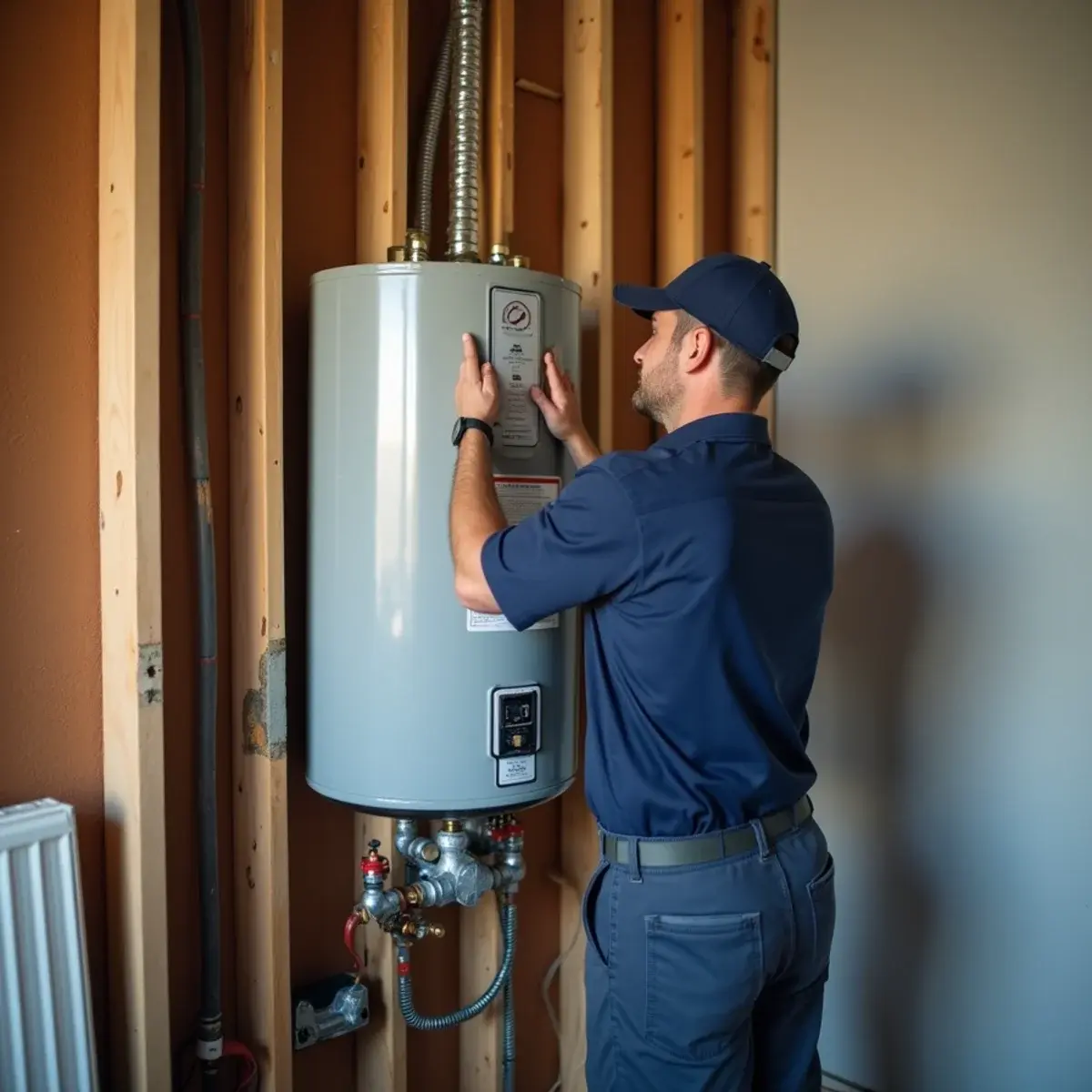
Standard policies cover water damage that is sudden and accidental. A supply line bursts. A water heater lets go. A washing machine hose splits while you're at work. An upstairs toilet supply fails. These are covered perils, and coverage generally extends to the resulting damage — floors, walls, ceilings below, cabinetry and contents.
What's excluded is gradual damage: a leak that has been seeping for months or years, deterioration, rot, and damage a reasonable owner would have noticed and addressed. The rationale is that insurance covers events, not maintenance.
This is why the timeline of a loss matters so much and why documenting the discovery moment is important. A slab leak that ran for three weeks before anyone noticed a warm floor is generally still sudden and accidental — nobody could reasonably have seen it. A bathroom that's been discoloring the ceiling below for two years is a harder argument.
What's typically covered
The common covered scenarios, in rough order of how often we see them:
- Burst or ruptured supply pipes, including the resulting damage to structure and contents.
- Water heater tank failure and the flooding that follows.
- Appliance failures — dishwashers, washing machines, refrigerator supply lines — when the failure is sudden.
- Overflow from a plumbing fixture, including toilets and sinks, when accidental.
- Rain entering through an opening created by a covered peril — wind removing tile or shingles, a tree limb puncturing the roof.
- Fire suppression water from sprinklers or firefighting.
- Accidental discharge from a fire sprinkler system.
Call +1 (201) 277-9344 — 24/7 in Glendale
Free assessment · 60-minute emergency response · We bill your insurance carrier directly
What's typically excluded
The exclusions that catch people out most often:
- Flood — surface water flowing across the ground into your home. This is the big one and it requires separate flood insurance.
- Sewer and drain backup, unless you carry a specific water backup endorsement.
- Gradual leaks, seepage and any damage from a condition present over an extended period.
- Damage resulting from failure to maintain — a roof at the end of its service life, for example.
- The failed component itself. Many policies pay for water damage from a burst pipe while excluding the pipe repair.
- Mold beyond a specified sublimit, which in many California policies is capped at a modest dollar amount.
- Damage in a home left unoccupied without maintaining heat or shutting off water, depending on policy language.
The flood distinction, which matters enormously in the foothills
This is the exclusion that surprises people most, and it's especially relevant to properties in and below the foothills. Water that falls from the sky and enters through a sudden opening in your building envelope is generally covered. Water that flows across the ground and into your home is flood, and flood is not covered by a standard homeowners policy.
A single storm on a hillside lot can produce both. Rain coming through a wind-damaged roof is a homeowners claim. Runoff entering the garage at ground level is a flood claim, which you can only make if you carry flood coverage through the NFIP or a private carrier.
This is why we document the intrusion point precisely — with photographs and measurements — at the time of loss. Reconstructing that argument weeks later with a skeptical adjuster is much harder. For anyone in La Crescenta, the Chevy Chase Canyon area or below a burn scar, flood coverage is worth a serious conversation with your agent. Note that policies typically carry a waiting period, so buying one during a storm forecast doesn't help.
Endorsements worth adding before you need them
Water backup coverage. This covers sewer and drain backup and sump pump failure, is usually inexpensive, and is excluded from base policies. If you have a mature street tree and an old clay sewer lateral — which describes a large share of Glendale, Pasadena and South Pasadena — this is a high-value add.
Increased mold sublimit. Base mold coverage in California policies is often capped low. Given that mold can begin within 24 to 48 hours of water exposure, raising that limit is cheap insurance against a scenario that's genuinely common.
Service line coverage. Covers the buried water, sewer and utility lines on your property, which are the homeowner's responsibility and are not covered under most base policies.
Flood insurance, if your property has any meaningful runoff or drainage exposure.
How to give your claim the best chance
Report promptly. Delay is one of the most common reasons for reduced payment, both because policies require prompt notice and because it invites the argument that the damage worsened avoidably.
Mitigate immediately. Your policy requires you to take reasonable steps to prevent further damage, and emergency mitigation costs are themselves covered. Waiting for approval before stopping active damage is the wrong move — and can reduce what's paid for the damage that follows.
Document thoroughly before cleanup. Our guide to documenting a water damage claim covers exactly what adjusters look for.
Use a contractor who estimates in the format carriers use. In California you choose your own contractor regardless of what a preferred-vendor program suggests, and choosing your own doesn't affect coverage.
Frequently asked questions
It can affect renewal pricing, and multiple claims in a short period affect it more. For a loss close to or under your deductible, filing may not be in your interest. For a significant loss, the coverage is what you've been paying for and using it is reasonable.
Usually up to a sublimit, when the mold results directly from a covered sudden loss. Mold from long-term seepage or humidity is generally excluded entirely. Because the caps are often modest, prompt professional drying — which prevents mold rather than remediating it — is the more reliable protection.
No. In California you choose your own contractor. Carriers maintain preferred vendor programs and may suggest one, but the decision is yours and it does not affect your coverage.
The bottom line
The framework is simpler than the policy language suggests: sudden and accidental is usually covered, gradual and ground-level flooding usually isn't, and a few inexpensive endorsements close the most common gaps.
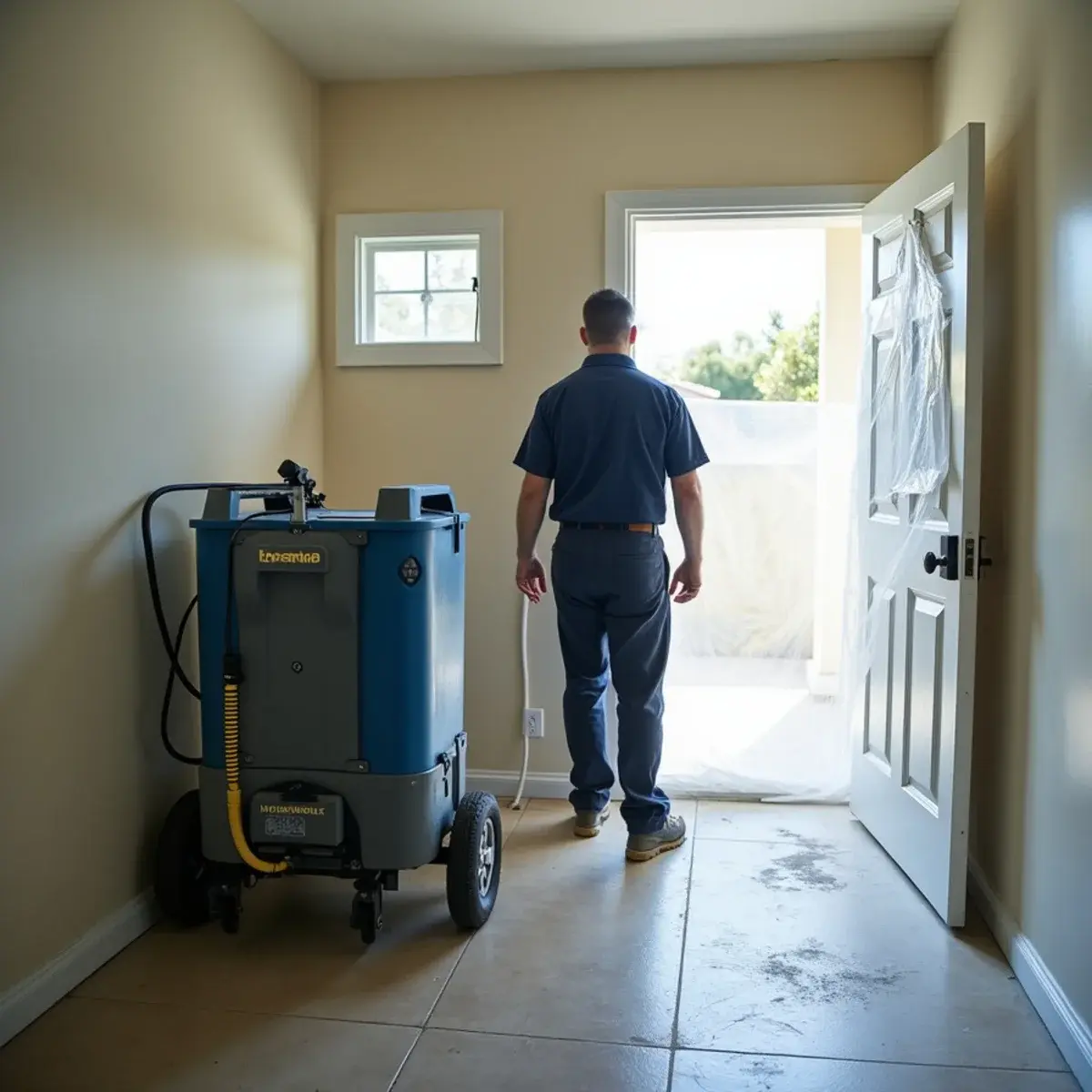
Drycore Restore documents every job to the standard carriers expect and works directly with adjusters on your behalf. If you're unsure whether your loss is covered, call +1 (201) 277-9344 and we'll review it with you before anything gets filed.
Related services
- Water Damage Restoration in Glendale
- Sewage Backup Cleanup in Glendale
- Flood & Storm Damage Cleanup in Glendale