Plumber or Restoration Company: Who Do You Call First?
A plumber stops the water. A restoration company deals with everywhere it went. Calling only one of them is the most common expensive mistake.
Water is coming out of somewhere it shouldn't. You've got a phone in your hand. Who gets the call?
The two trades do genuinely different jobs, and the mistake we see constantly is calling a plumber, getting the leak fixed, and assuming that's the end of it — while the wall cavity the water ran through stays wet for six weeks.
Dealing with this right now? We answer 24/7.
Free assessment · 60-minute emergency response · We bill your insurance carrier directly
The simple rule
Is water still coming out right now? Call a plumber first — or shut the main yourself, which is faster and free. Their job is stopping the source.
Has water reached anything absorbent? Drywall, carpet, insulation, subfloor, cabinets, a ceiling. Call a restoration company, and call them the same day. Their job is everywhere the water went.
Both are usually true, which is why on most losses both get called — and the order barely matters as long as neither gets skipped. If you can shut the water off yourself, call the restoration company first, because they can be extracting while a plumber is still en route.
The case where you only need a plumber is narrow: a leak caught immediately, confined to a hard non-porous surface, with nothing absorbent touched. A drip into a tiled shower pan. Water on a garage slab you mopped in five minutes.
What a plumber does
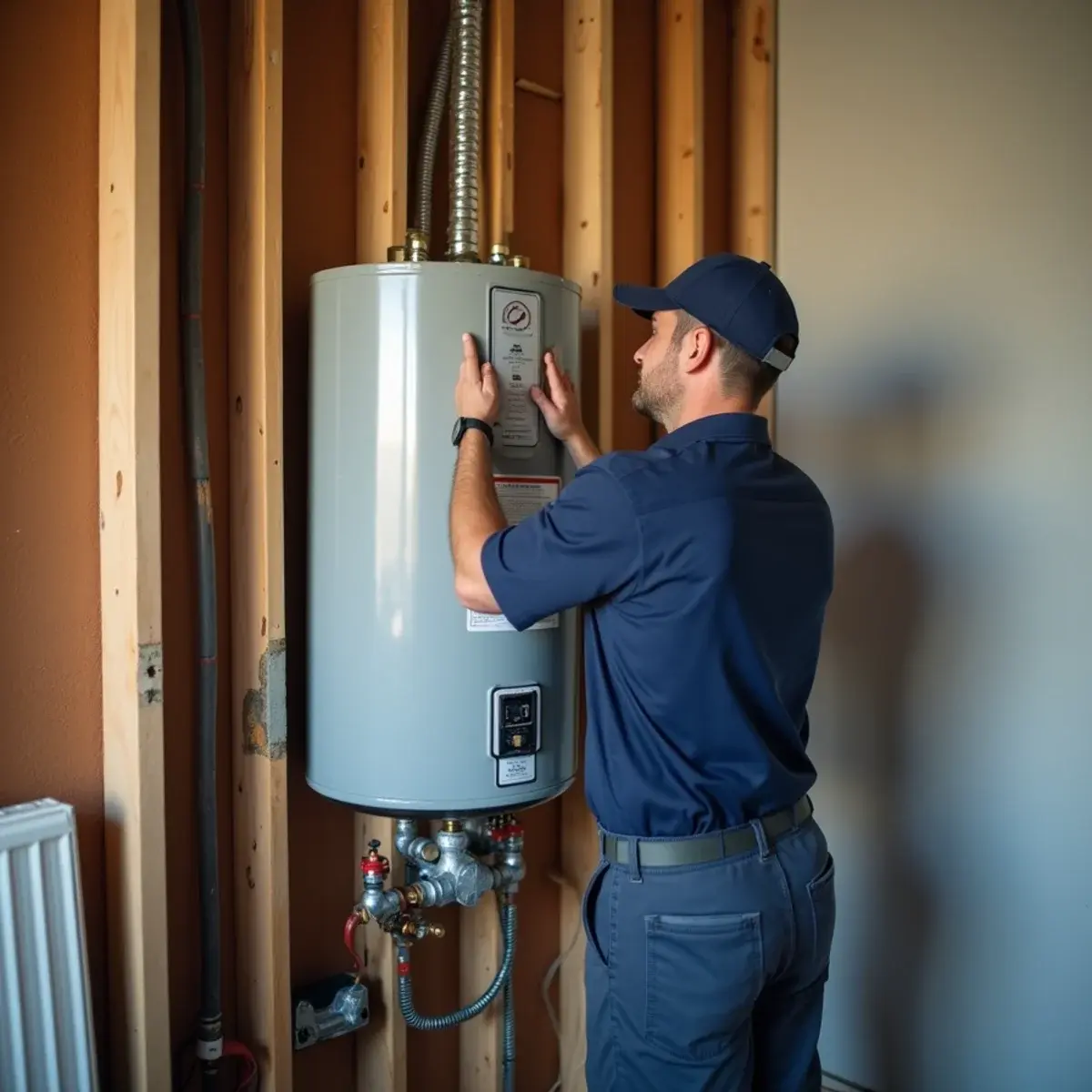
Plumbing is a separately licensed trade in California and the work is legally theirs. They locate and repair the failure — a burst supply line, a failed angle stop, a compromised drain, a water heater, a slab leak repair or reroute.
They'll also clear blockages, camera and inspect drain lines, and repipe a system that's past its life.
What a plumber is not doing: measuring how far water travelled through your structure, drying it to a verified standard, treating for microbial growth, or documenting the loss for your insurance carrier. Some plumbing companies have a restoration arm, and that's fine — but a plumber alone fixing the pipe and leaving is a job half done.
A good plumber will tell you this. If yours repairs a line that had been spraying into a wall cavity and says nothing about drying it, that's worth noticing.
Call +1 (201) 277-9344 — 24/7 in Glendale
Free assessment · 60-minute emergency response · We bill your insurance carrier directly
What a restoration company does
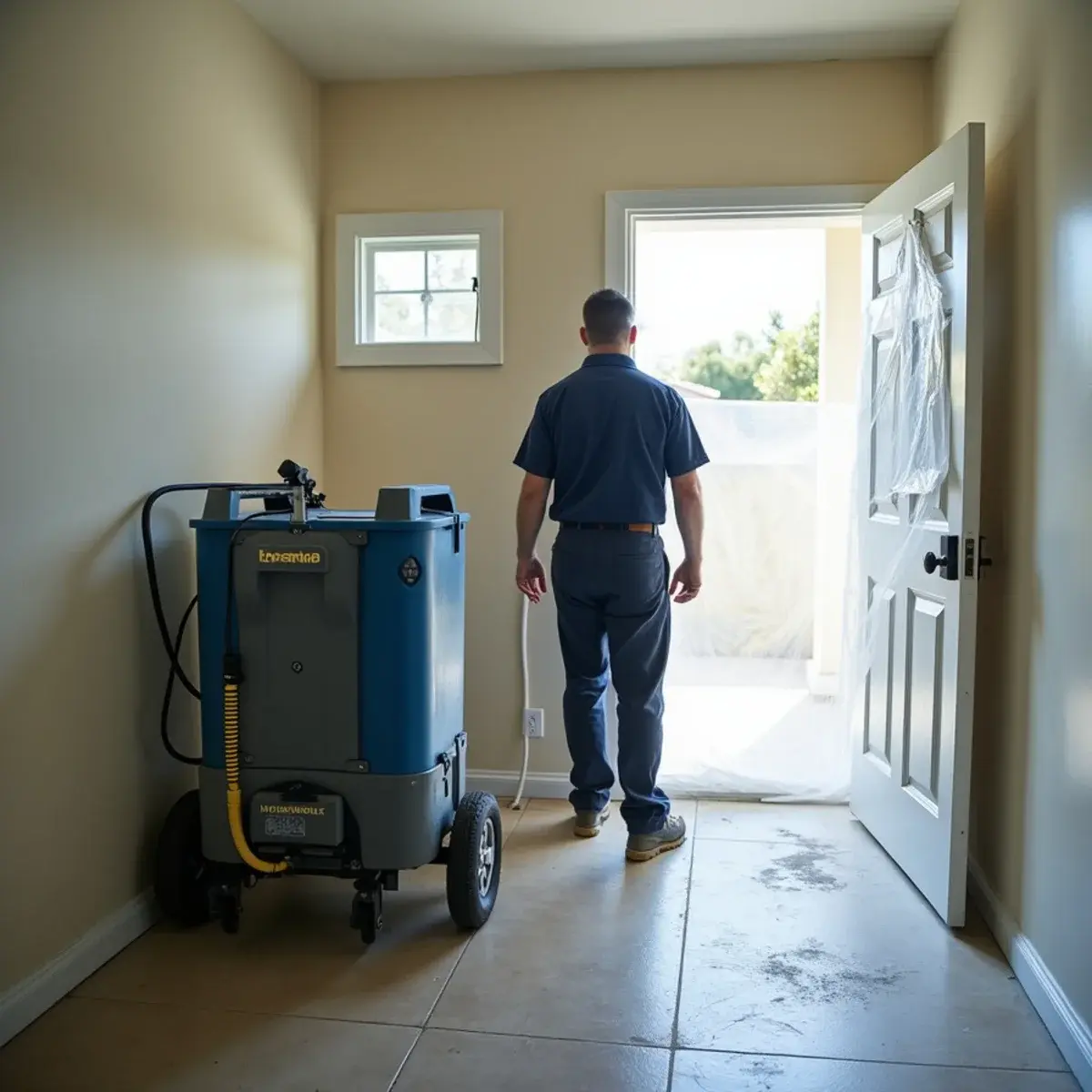
We start where the water went. Moisture mapping with meters and thermal imaging to find the actual affected area — which is nearly always larger than the visible damage. Extraction. Calculated drying with daily readings until materials match a dry standard. Antimicrobial treatment. Then reconstruction of whatever had to come out.
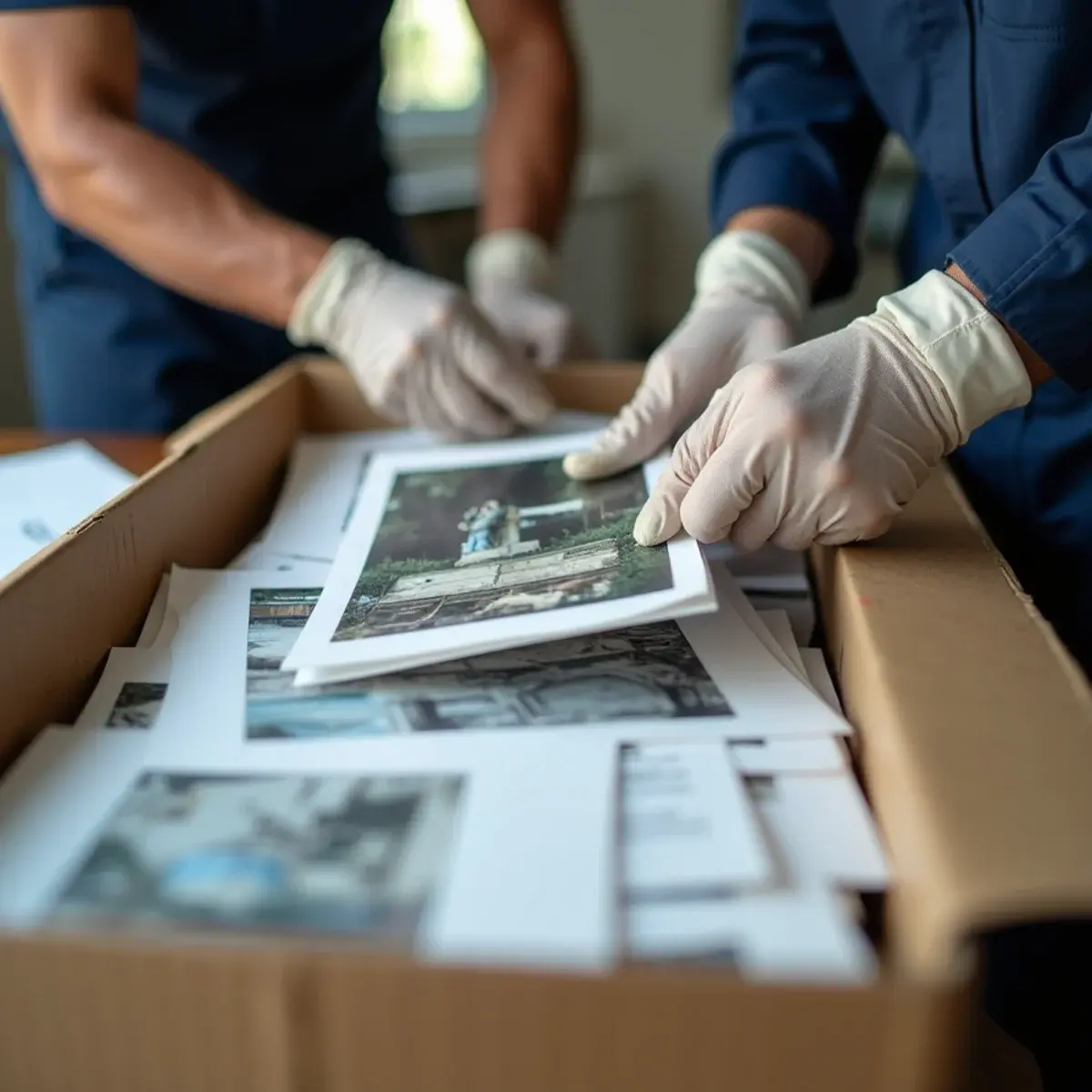
And documentation: dated photographs, moisture maps, equipment logs and estimates in the line-item format carriers process, which is what makes a claim move rather than stall.
What we don't do is the plumbing repair itself. We stop the water at a valve, and we coordinate a licensed plumber for the actual fix. Anyone offering to do both under one licence on a significant repair is worth a question.
Why calling only the plumber costs the most
This is the specific failure pattern, and we see it constantly.
A supply line fails inside a wall. A plumber opens the wall, replaces the section, closes it up, and leaves. The visible problem is solved and the homeowner is relieved.
Meanwhile the water that sprayed into that cavity soaked the bottom plate, the insulation and the back of the drywall on both sides, and travelled along the plate into two adjacent rooms. Nobody measured it. The insulation is holding moisture against framing in a sealed cavity with no airflow.
Six weeks later there's a musty smell nobody can locate. Now it's a mold remediation job — containment, negative air, removal of materials that could have been dried — costing several times what proper drying would have. And because the damage now reads as gradual rather than sudden, the insurance position is considerably worse.
The whole thing was preventable with one phone call on day one. Our guide to how fast mold follows water damage covers the 24-to-48 hour window that decides it.
Who pays for which
Worth knowing because it surprises people. Under most California homeowners policies, the resulting water damage from a sudden failure is covered — floors, walls, ceilings, contents. The repair of the failed component itself frequently is not.
So the pattern on a typical claim is: your carrier pays the restoration company for extraction, drying and reconstruction, and you pay the plumber for the pipe. That's not a company trying to carve up the work; it's how the policy language falls.
It also means the restoration side is usually the larger number and the one worth getting right. Our article on what homeowners insurance covers for water damage in California covers the distinctions in detail.
If you're not sure
Call and describe what you're seeing. A competent restoration company will tell you honestly if you don't need them — if the water was clean, contained to a hard surface and caught in minutes, we'll say so rather than sell you a dry-out.
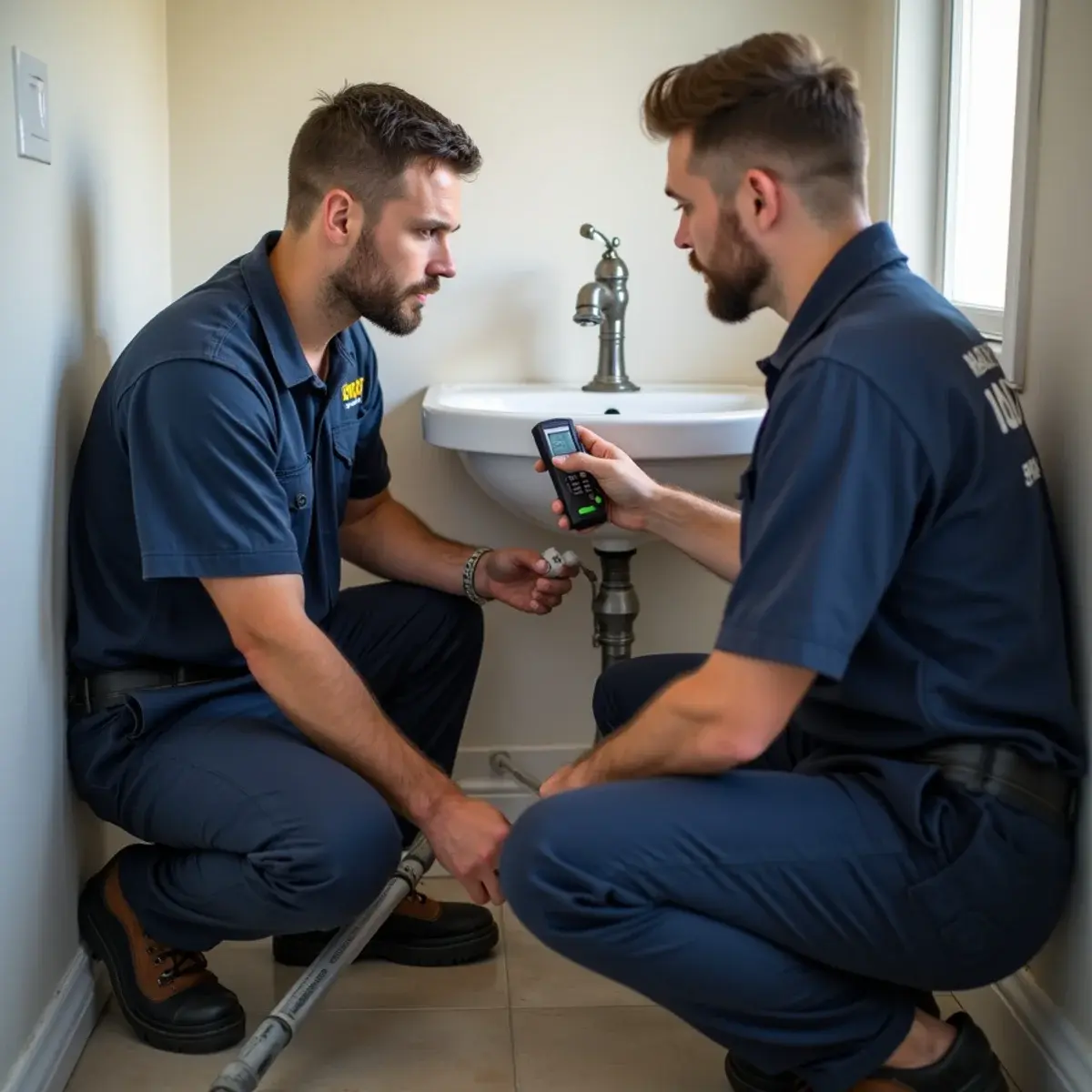
What settles it definitively is a moisture reading, which takes ten minutes and which we do free. A meter on the baseboard adjacent to where the leak happened will tell you within seconds whether anything absorbent got wet.
That's a considerably better basis for a decision than hoping. And if the reading is clean, you've spent nothing and you can stop worrying about it.
- Describe what you can see — where the water is, what it reached, and how long it ran.
- Say whether anything absorbent is wet — carpet, drywall, insulation, cabinets, a ceiling. That single answer decides it.
- Ask for a moisture reading rather than an opinion. Ten minutes with a meter settles it definitively; ours are free.
- Expect to be told you don't need us if the water was clean, contained to a hard surface and caught in minutes. That is a real answer, not a brush-off.
Frequently asked questions
Not usually, and it isn't their trade. Some plumbing companies have a restoration division, which is a different capability under the same roof. A plumber with a couple of fans is not the same as calculated drying with daily meter readings and a verification log.
Not at all, and it's a common call. We'll take moisture readings and tell you whether anything is still wet. If the readings are clean you've lost nothing but ten minutes; if they're not, you've caught it inside the window that matters.
Typically the restoration work is covered and the plumbing repair isn't, though carriers vary and some cover the cost of accessing the leak. Keep both invoices and submit them — let the adjuster decide rather than assuming.
Shut the main yourself if you can — that's faster than anyone. Then call whoever answers. We run 24/7 dispatch and can start extraction while a plumber is arranged for the morning, which is usually the right order once the water is off.
The bottom line
Plumber stops the water. Restoration company deals with everywhere it went. If anything absorbent got wet, you need both — and the second call is the one people skip.
Not sure which you need? Call Drycore Restore at +1 (201) 277-9344 and describe it. We'll tell you straight, including when the answer is that you don't need us.
Related services
- Burst Pipe & Leak Cleanup in Glendale
- Emergency Water Extraction in Glendale
- Mold Remediation in Glendale