Water Damage in a California Rental: Landlord and Tenant Rights
The building is the landlord's problem. Your belongings are yours. Everything interesting happens in between.
A large share of the properties we work in are rentals, and a large share of the confusion we encounter is about who is responsible for what.
The framework is simpler than it feels. This isn't legal advice — for a genuine dispute you want a tenant rights organisation or an attorney — but knowing the shape of it will make every conversation you have more productive.
Dealing with this right now? We answer 24/7.
Free assessment · 60-minute emergency response · We bill your insurance carrier directly
The basic division
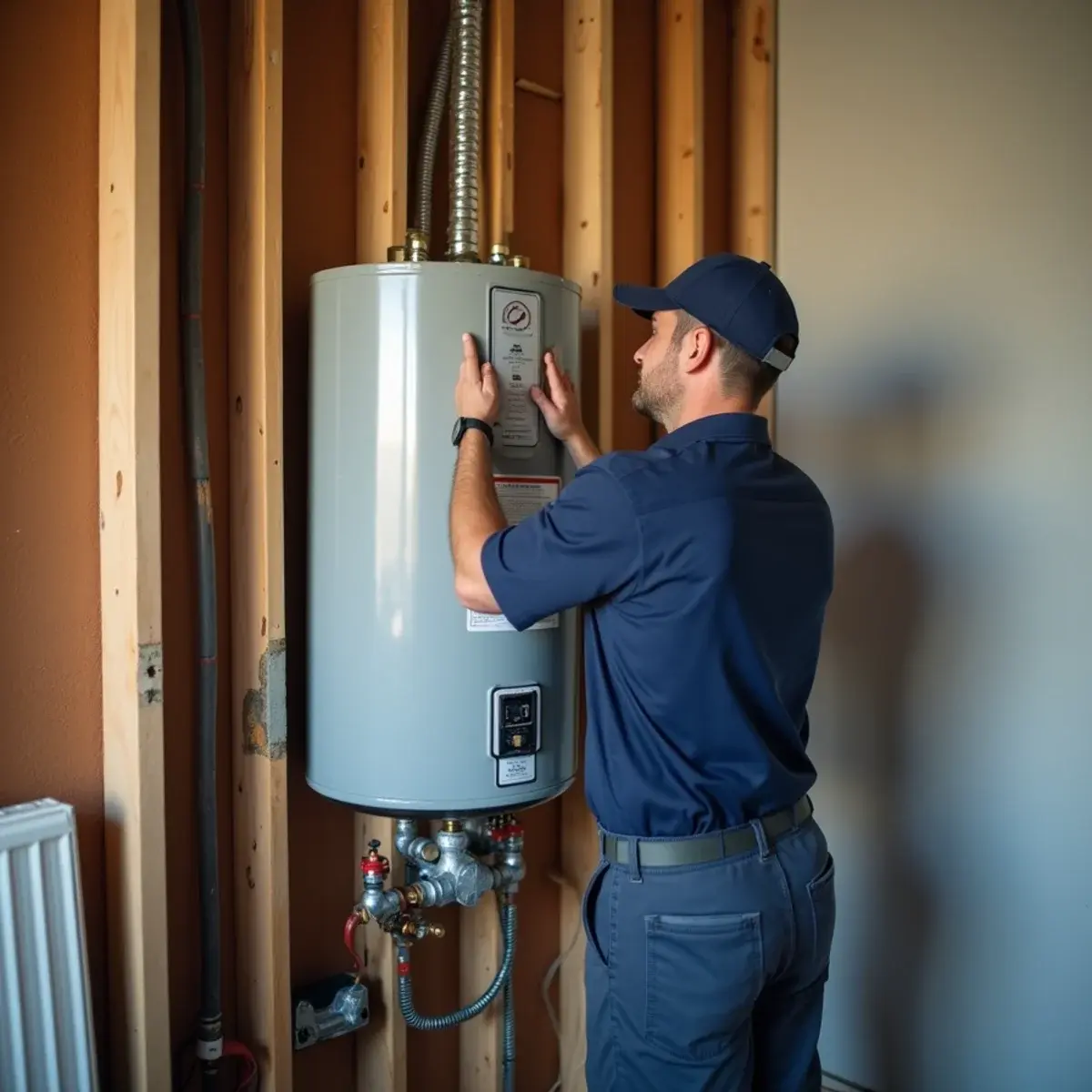
The landlord owns the building and is responsible for it. Structure, plumbing, roof, fixtures, and the repairs needed to keep the unit habitable. That obligation exists under California's implied warranty of habitability and it can't be waived by a lease clause.
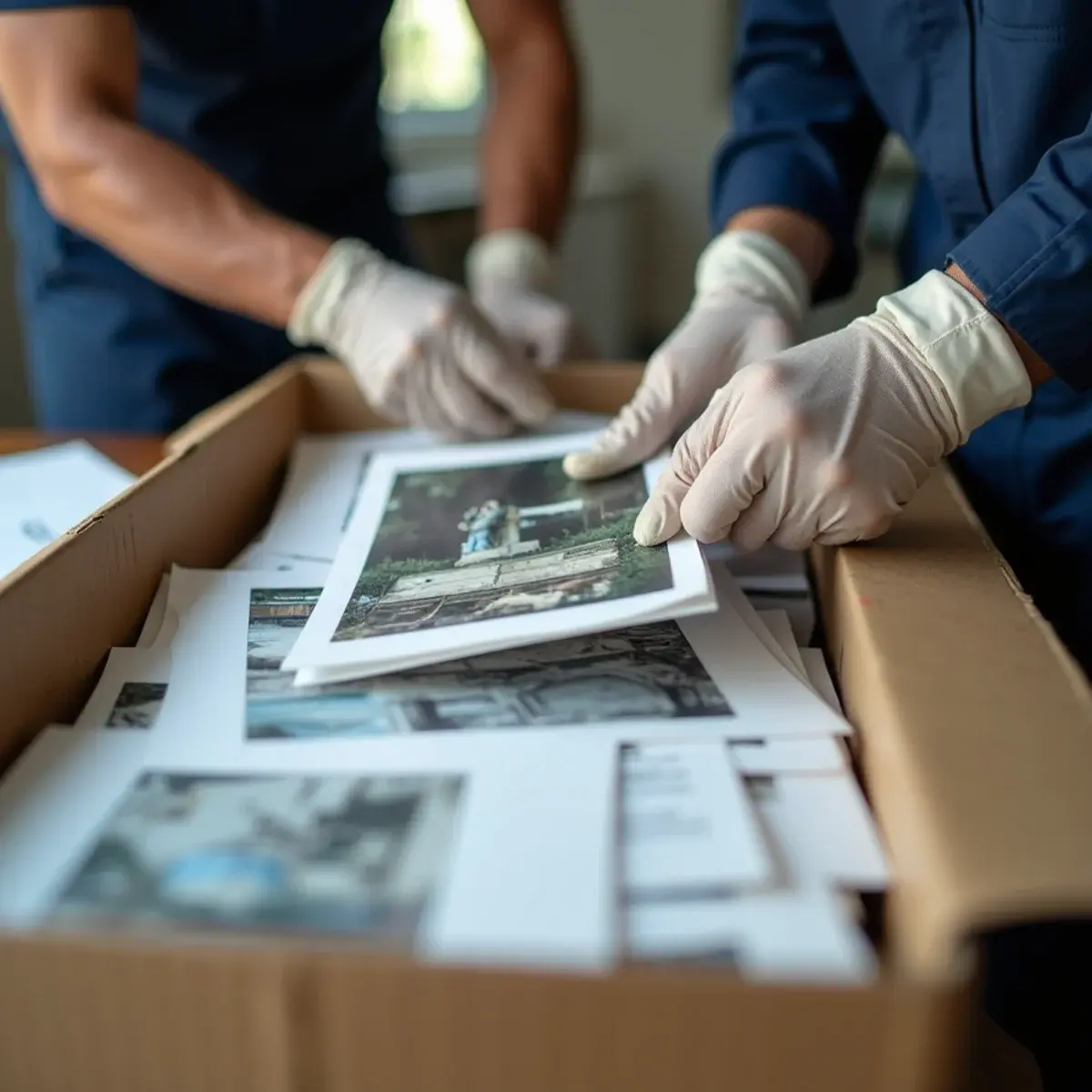
The tenant owns their belongings and is responsible for them. Furniture, electronics, clothing, everything you'd take with you. The landlord's insurance does not cover a tenant's possessions, and no amount of the loss being 'their pipe' changes that.
Fault sits on top of both. If the tenant caused the damage through negligence — an overflowing bath, an unreported leak, a fish tank — they can be liable for the repair. If the landlord failed to act on a reported problem, that's on them and can have real consequences.
Most water losses in rentals are nobody's fault. A supply line fails, and each party claims on their own coverage.
Habitability and what actually triggers it
California law requires rentals to be maintained in habitable condition, which includes working plumbing and weatherproofing that keeps water out. Significant water damage frequently breaches that.
Where a unit becomes genuinely uninhabitable, tenants have options — but they come with procedure attached, and skipping the procedure is where tenants lose. Notice generally has to be in writing, the landlord has to be given a reasonable opportunity to repair, and 'reasonable' depends on severity: a burst pipe flooding a unit is not the same as a slow drip.
The remedies commonly available include rent abatement reflecting the reduced value of what you're actually getting, and in some circumstances repair-and-deduct. Both have specific statutory requirements. Don't simply stop paying rent — that's the fastest way to convert a strong position into an eviction defense you didn't need.
Local rules matter too. Los Angeles and several other cities have tenant protections that go beyond state law, including relocation assistance obligations in defined circumstances. Check your city, not just the state.
Call +1 (201) 277-9344 — 24/7 in Glendale
Free assessment · 60-minute emergency response · We bill your insurance carrier directly
For tenants: what to do in the first day
Report it in writing, immediately. Text or email, not a phone call — you want a timestamp. Describe what you're seeing and ask for it to be addressed. If you called first, follow up in writing summarising the call.
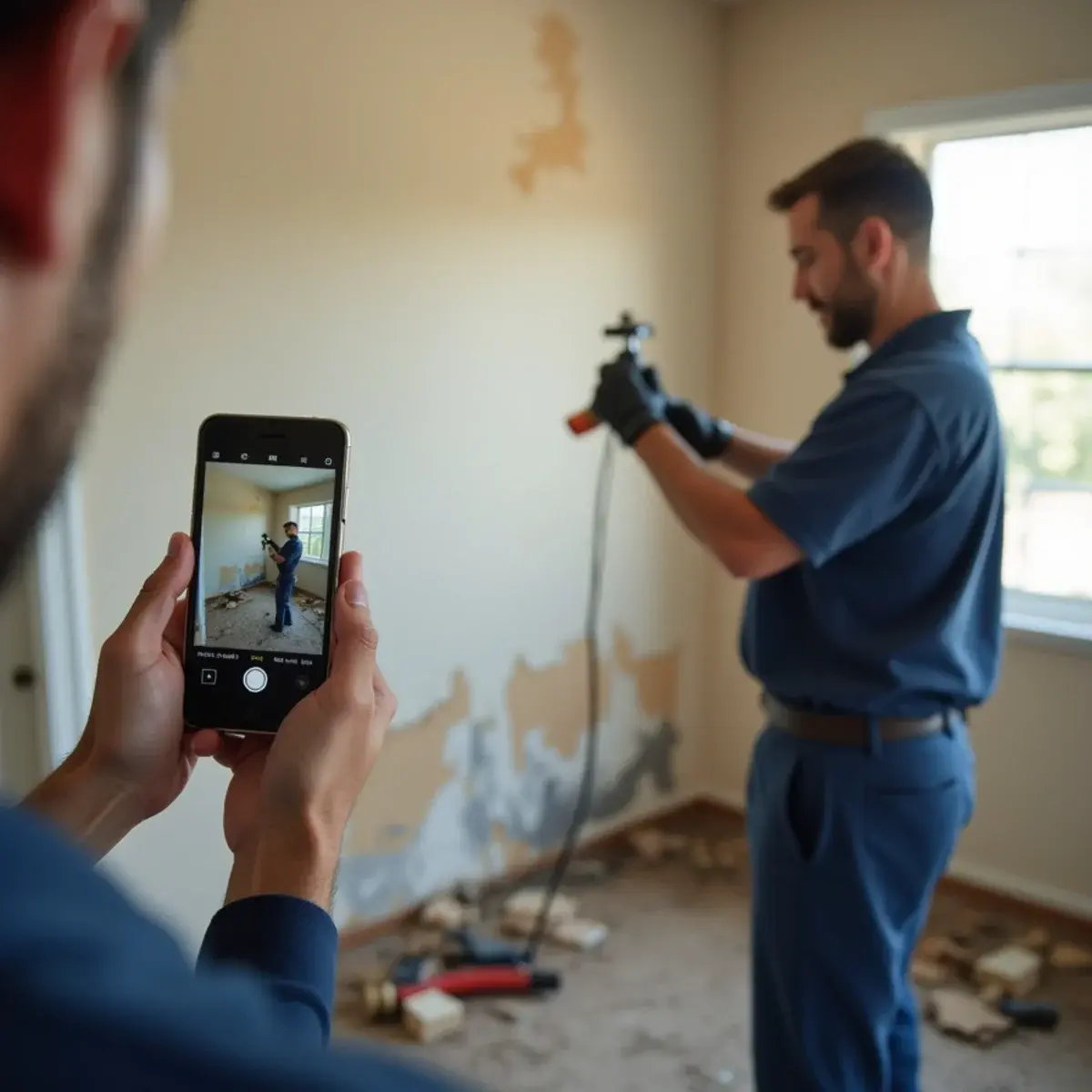
Photograph everything before you move anything. Wide shots of each room, close-ups of damage, the water line on walls and furniture, and every damaged possession individually. This is the evidence your renters claim depends on, and you cannot recreate it.
Mitigate what you reasonably can. Move belongings out of the water, put towels down. You're generally expected to take reasonable steps to limit your own losses, and failing to can reduce what you recover.
Open your renters claim. Don't wait to see what the landlord does — the two are separate processes on separate timelines.
Keep every receipt for anything you spend as a result: a hotel, a laundromat, replacement essentials. Additional living expenses coverage reimburses this and it's one of the most underused parts of a renters policy.
For landlords and managers: what to do in the first day
Respond fast, and document that you did. Response speed is the single biggest factor in how a habitability dispute plays out, and a written record of prompt action is worth a great deal if things get contentious.
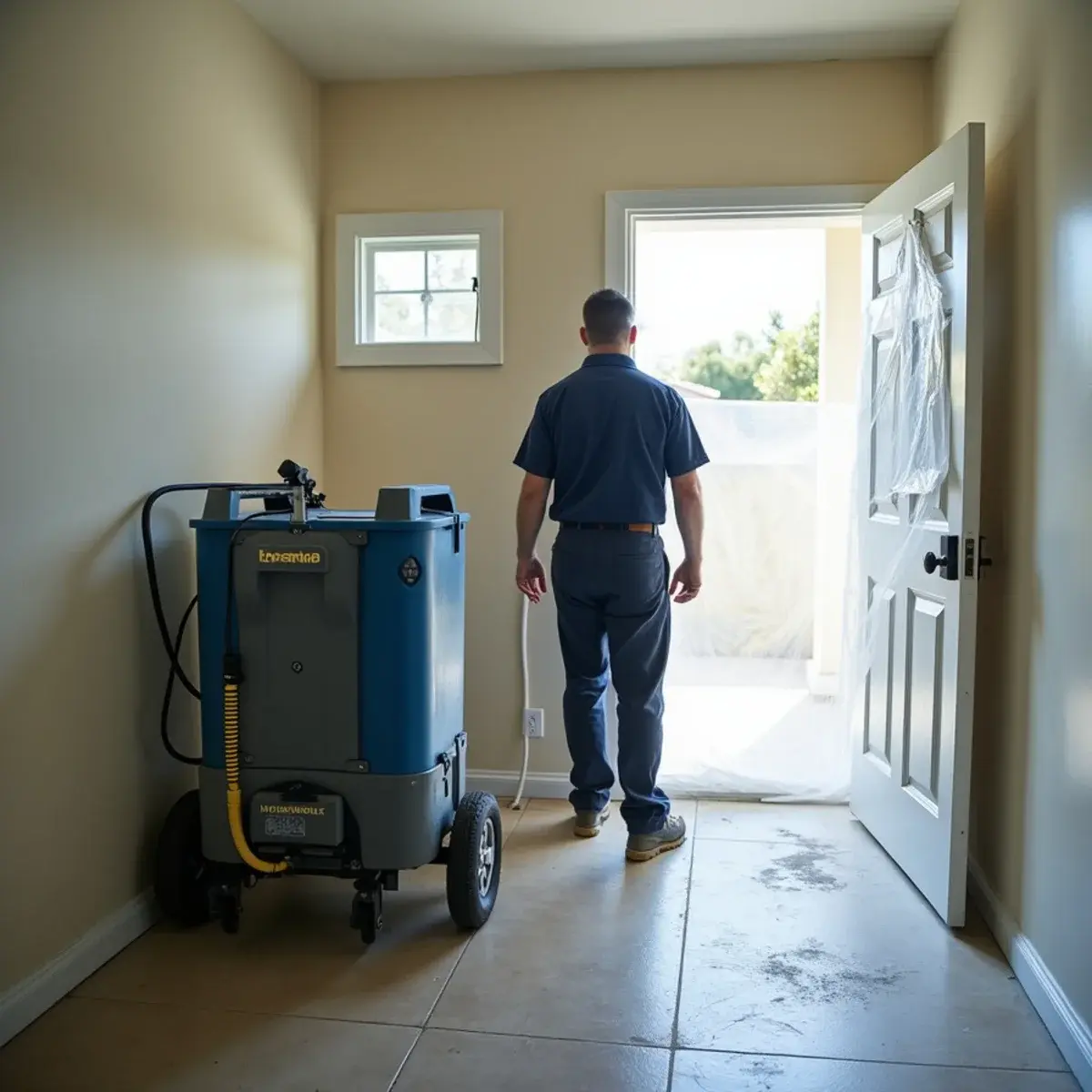
Get mitigation started immediately. Your policy requires you to prevent further damage, and delay can reduce what your carrier pays for the damage that follows. It also limits the period of reduced habitability, which limits abatement exposure.
Document the condition before work starts — the same photographic discipline tenants need, for the same reasons plus one more: it establishes the state of the unit at a fixed point, which matters if there's later disagreement about pre-existing damage or deposit deductions.
Communicate the timeline. Most tenant frustration in these situations is about uncertainty rather than inconvenience. Telling someone drying takes four days and reconstruction two weeks is far better received than silence followed by equipment appearing.
Consider relocation honestly. If the unit is genuinely unlivable, offering temporary accommodation is often cheaper than the abatement, the dispute and the vacancy that follow from insisting it isn't.
- Respond fast and document that you did. Response speed is the single biggest factor in how a habitability dispute plays out.
- Start mitigation immediately. Your policy requires you to prevent further damage, and delay reduces what the carrier pays for what follows.
- Photograph the condition before work starts — it also fixes the state of the unit for any later deposit or pre-existing-damage question.
- Communicate the timeline. Most tenant frustration is about uncertainty, not inconvenience.
- Consider relocation honestly. If the unit is genuinely unlivable, temporary accommodation is often cheaper than the abatement and the vacancy.
The insurance picture
The landlord's property policy covers the building — structure, fixtures, and typically loss of rental income while the unit can't be occupied. That last coverage is genuinely useful and frequently forgotten.
The tenant's renters policy covers personal property, additional living expenses, and personal liability. That liability component matters: if a tenant's negligence caused damage to the building, it's what stands between them and a bill.
Neither covers the other's side. A tenant without renters insurance whose belongings are destroyed by a landlord's failed pipe generally has no recovery for those belongings unless negligence can be established.
Renters insurance costs very little and this is precisely the scenario it exists for. If you rent and don't carry it, this article is the nudge. Our guide to documenting a claim applies equally to renters claims — arguably more, since contents claims are the ones most often underpaid.
Mold, and the argument it starts
Mold in rentals generates more disputes than anything else in this area, and the reason is timing. Mold appears days to weeks after the water event, at which point the argument becomes whether the landlord responded adequately or the tenant reported promptly.
The way to avoid being on the wrong side of that is documentation at the time. Tenants: report in writing immediately and photograph. Landlords: dry to a verified standard and keep the moisture log.
That log is the thing. A restoration company that establishes a dry standard, takes daily readings and hands over a completed record gives a landlord genuine proof the structure was returned to normal moisture content. Without it, you're relying on someone's recollection that the walls felt dry — and that argument is unwinnable. Our page on mold remediation covers the standard the work should meet.
For scale: mold can begin colonising within 24 to 48 hours of water exposure. Neither side benefits from a slow response.
Frequently asked questions
California does provide remedies including rent withholding and repair-and-deduct, but both have strict procedural requirements and getting them wrong exposes you to eviction. Talk to a tenant rights organisation before withholding anything — the remedy may well be available to you, but the process matters as much as the entitlement.
It depends on the cause, the severity and your local ordinance — some cities impose relocation obligations that state law doesn't. Your own renters policy's additional living expenses coverage typically pays for it regardless of fault, which is usually the faster route.
Ask what specifically they believe you did — negligence requires a specific act or a failure to report something you knew about. Sudden pipe failures generally aren't tenant fault. Your renters policy's liability coverage exists for genuine disputes, so notify your carrier rather than negotiating alone.
The standard is 'reasonable', which scales with severity. Active flooding requires immediate response; cosmetic repair after drying can reasonably take longer. Material lead times on flooring and cabinetry are a legitimate cause of delay — silence about them is not.
The bottom line
Report in writing, photograph before you move anything, and know which policy covers which half. Those three things resolve most of what turns into a dispute.
Drycore Restore works with landlords, property managers and tenants across Los Angeles, and hands over the moisture documentation that protects everybody. Call +1 (201) 277-9344.
Related services
- Water Damage Restoration in Glendale
- Mold Remediation in Glendale
- Commercial Water Damage Restoration in Glendale