What Actually Happens, Day by Day, During a Restoration
Most of the stress in a water loss is not knowing what happens next. Here's the whole sequence, honestly, including the parts that drag.
When people are anxious during a restoration, it's almost never about the damage. It's about not knowing whether what's happening is normal.
So here is the whole thing, start to finish, with honest timings — including the two places where schedules genuinely slip and what you can do about them.
Dealing with this right now? We answer 24/7.
Free assessment · 60-minute emergency response · We bill your insurance carrier directly
Hour one to hour four: emergency response
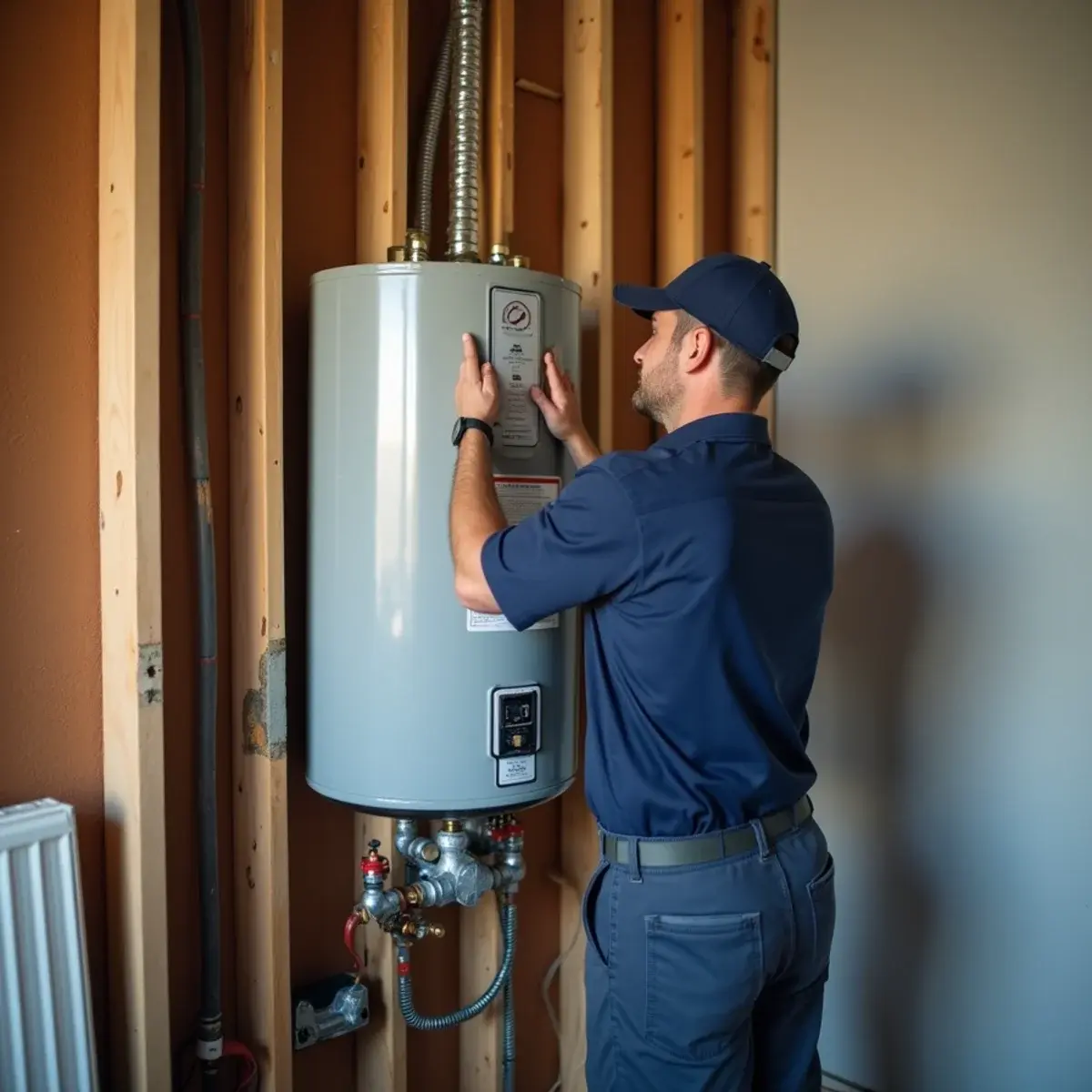
A crew arrives, and the first thing they do is not extraction. It's safety and assessment — confirming power is isolated where water is near electrical, checking for structural or contamination hazards, and stopping the source if it's still running.
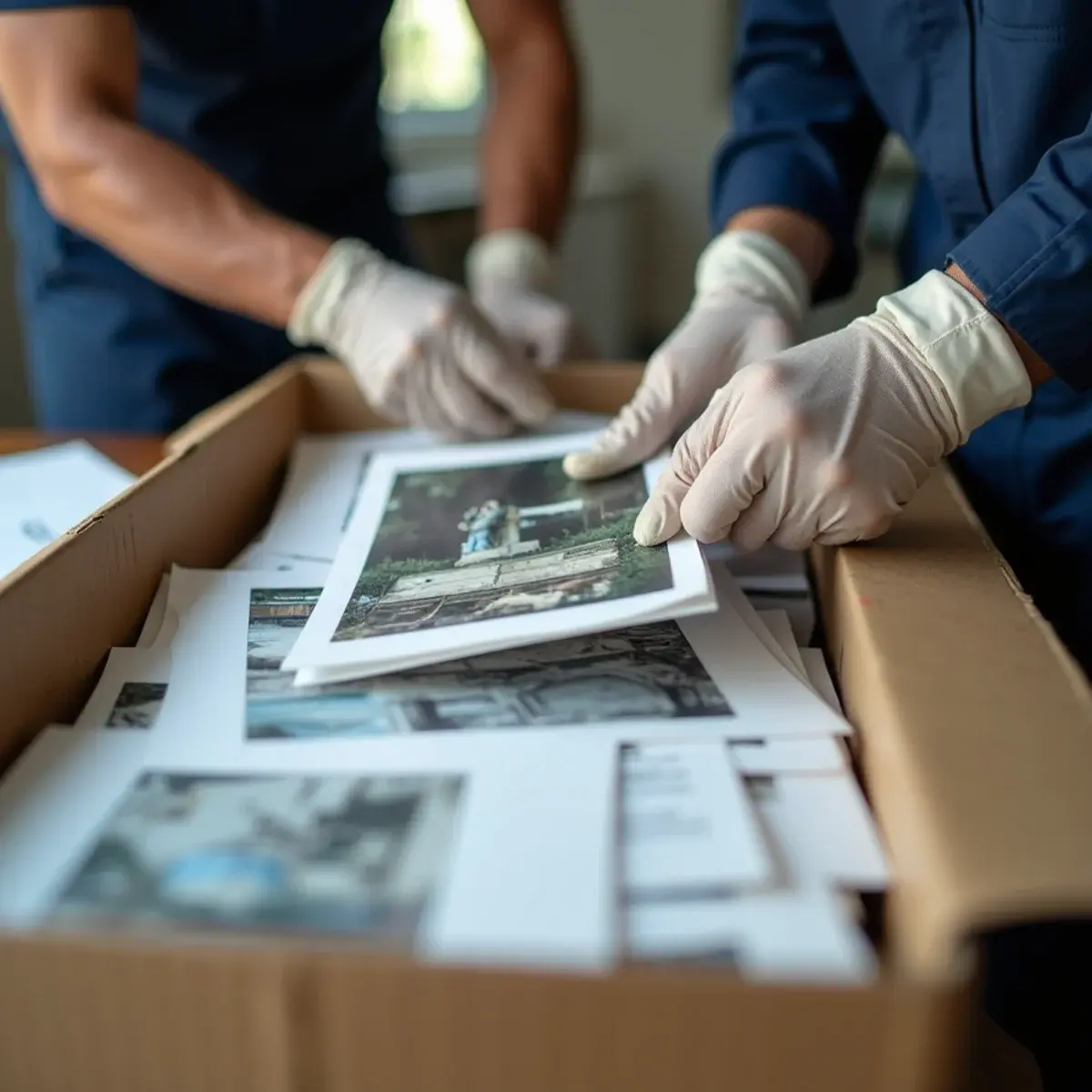
Then documentation, before anything moves. Photographs of every affected area, the source, and the water line. This is the evidence your claim will be decided on and it can only be captured once.
Then the moisture map. Non-penetrating meters scan broadly, penetrating pin meters confirm actual moisture content in framing and subfloor, and thermal imaging shows where water has travelled behind finishes. The affected area is nearly always larger than what's visibly wet — this is the step that determines everything downstream.
Then extraction. Standing water first, then sub-surface water out of carpet and pad, then relief of any trapped water in ceilings or wall cavities. By hour four the bulk water should be gone and equipment should be going in.
- Safety first — power isolated where water is near electrical, hazards identified, source stopped.
- Documentation before anything moves — the photographs your claim will be decided on.
- Moisture mapping — meters and thermal imaging to find the real affected area, which is nearly always larger than what looks wet.
- Extraction — standing water, then sub-surface water out of carpet and pad.
- Equipment in — drying usually starts the same visit rather than the next day.
Day one to two: setup and demolition
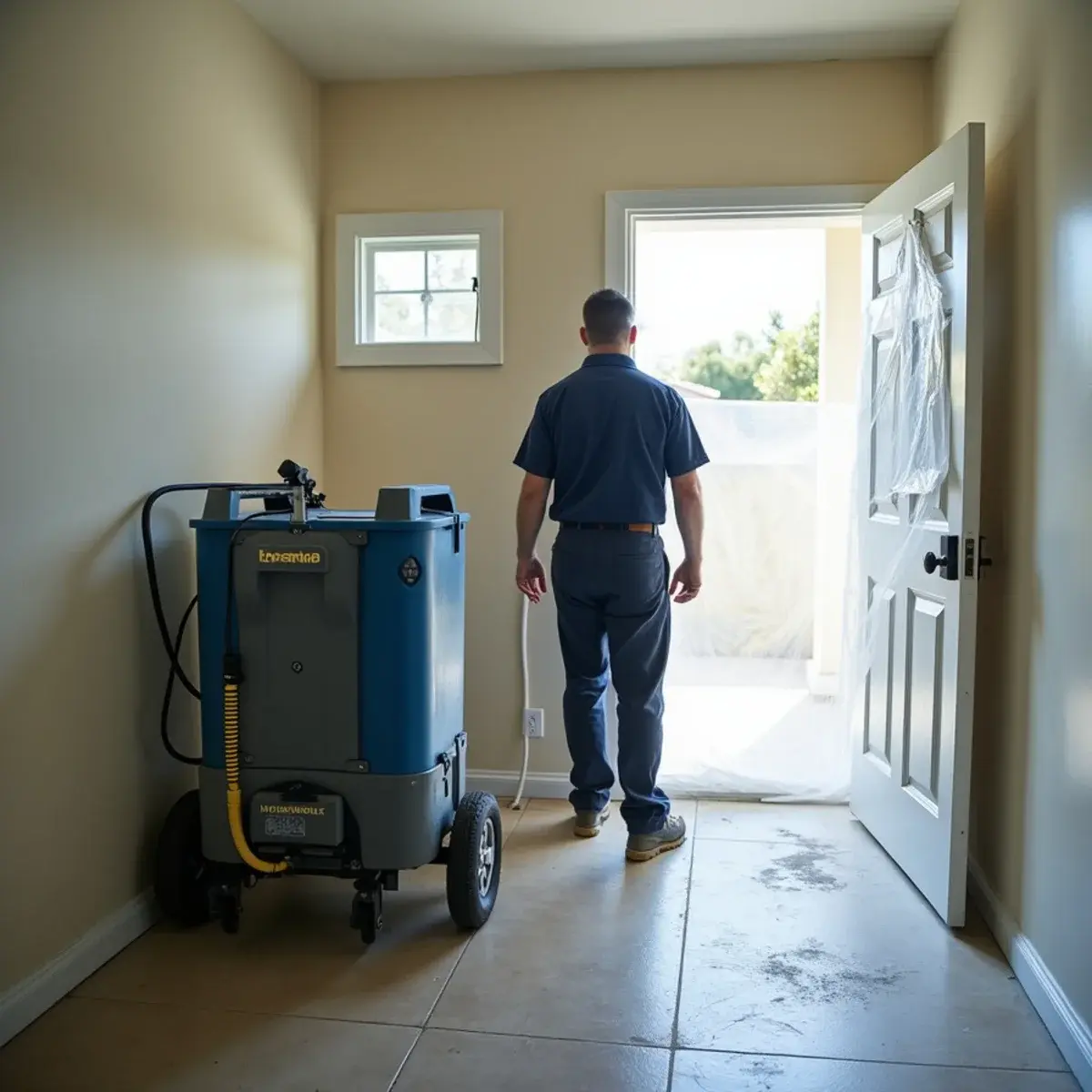
Drying equipment gets calculated rather than guessed — air mover count from affected linear footage, dehumidification capacity from room volume and the class of loss. Then it's placed to create directed airflow across wet surfaces, and containment goes up so you're not drying the whole house.
Any demolition that's genuinely necessary happens now: wet insulation out (it never regains R-value and holds water against framing), saturated carpet pad out, and controlled openings where a cavity can't be dried any other way — typically baseboard off and small ports drilled rather than large cuts.
Contents get moved, blocked or packed out depending on scale. Antimicrobial treatment goes onto affected surfaces.
You will find this the loudest and most disruptive phase, and it is also the shortest. Expect the house to feel like a worksite for about forty-eight hours.
Call +1 (201) 277-9344 — 24/7 in Glendale
Free assessment · 60-minute emergency response · We bill your insurance carrier directly
Day two to seven: drying and monitoring
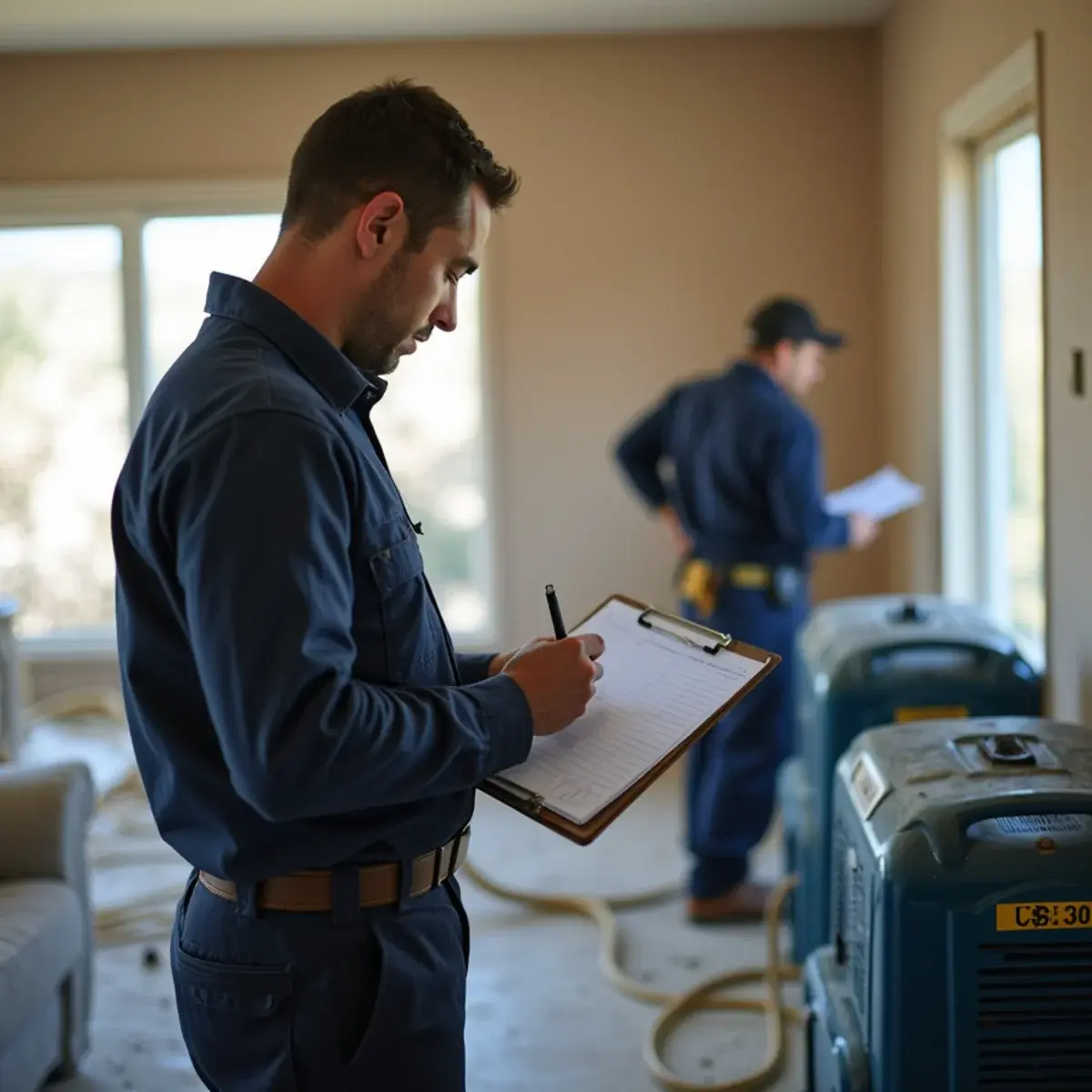
This phase looks like nothing is happening and it's where the actual work is. Every day a technician returns to record material moisture content, temperature, relative humidity and grains per pound, and repositions equipment as the drying front moves.
Three to five days is typical for standard residential materials. Seven to ten is normal for plaster, solid hardwood or concrete slab. Our guide to how long drying actually takes covers the variables.
What you should see: readings dropping day over day. What should worry you: readings plateauing for two consecutive days with no change to the setup, or nobody taking readings at all.
Please don't switch the equipment off overnight. It's tempting and it commonly adds a full day, because moisture redistributes from wet materials back into ones that had already dried.
The verification, and why it matters later
Equipment comes out when affected materials match the dry standard established from unaffected areas of your own home — not on a calendar date. You should receive the complete moisture log.
Keep it. If a mold question arises later, or when you sell the property, that document is your proof the structure was returned to normal moisture content under a recognized standard. Homeowners who don't have it end up relying on someone's recollection that the walls felt dry, and that argument is unwinnable.
This is also the natural pause point in a job. Mitigation is complete, and reconstruction is a separate scope with separate approval — which is exactly where a lot of restorations stall out.
Where the timeline actually slips
Two places, and neither is the drying.
Insurance approval of the reconstruction scope. Mitigation proceeds under your policy's obligation to prevent further damage, so it starts immediately. Rebuilding needs an approved scope, and that can take days or weeks depending on the carrier, the adjuster's caseload and whether the estimate was written in a format they can process. A contractor who estimates in the line-item format carriers use shortens this materially.
Material lead times. This is the big one and it surprises everyone. Flooring, tile, cabinetry and specialty millwork can run four to eight weeks. The single most effective thing you can do to shorten your restoration is choose your materials in week one, while drying is still running, rather than after the scope is approved.
Neither of these is the restoration company standing around. But a company that doesn't warn you about them at the start is setting you up to be frustrated in week three.
Week two onward: reconstruction
Rough work first — insulation, drywall hang, taping, and any framing repair. Where plumbing or electrical needs correcting while a wall is open, licensed trades sequence in ahead of closing it.
Then texture and paint. Texture matching is the part people notice, so it gets sampled against the existing surface rather than guessed, and painting runs to a natural break — corner to corner or the full wall — rather than spot-painting a patch that will always show.
Then flooring, trim, doors and cabinetry. Slab moisture gets verified before any flooring goes down, because installing over a slab that's still emitting moisture destroys the new floor and voids most warranties.
Finally a walkthrough against the original scope, a punch list, and completion. A single room of drywall, texture, paint and baseboard is several days to a week. Anything involving flooring or cabinetry is two to six weeks, driven by materials rather than labor.
Frequently asked questions
Usually yes. Air movers are about as loud as a bathroom fan and dehumidifiers hum continuously, so it's noticeable but livable. We recommend relocating when the affected area includes a primary bedroom, when the water was contaminated, or when someone in the household has asthma or a compromised immune system.
Usually materials. Carpet over a wood subfloor dries far faster than hardwood over concrete, and plaster takes longer than drywall. On the rebuild side it's almost always lead times on a specific flooring or cabinet selection.
Three things: call immediately rather than waiting until morning, choose your reconstruction materials in the first week, and don't turn the equipment off. Those genuinely move the date. Chasing the crew does not.
No. In California you choose your own contractor, and your coverage is unaffected by that choice. Carriers maintain preferred vendor programmes and may recommend one, but the decision is yours.
The bottom line
Emergency response in hours, drying in three to ten days, verification, then a rebuild governed by insurance approval and material lead times. Knowing the shape of it makes the whole thing far less stressful.
Drycore Restore gives you the schedule after the moisture mapping rather than before it, and tells you where it's likely to slip. Call +1 (201) 277-9344.
Related services
- Water Damage Restoration in Glendale
- Structural Drying & Dehumidification in Glendale
- Water Damage Repair & Reconstruction in Glendale